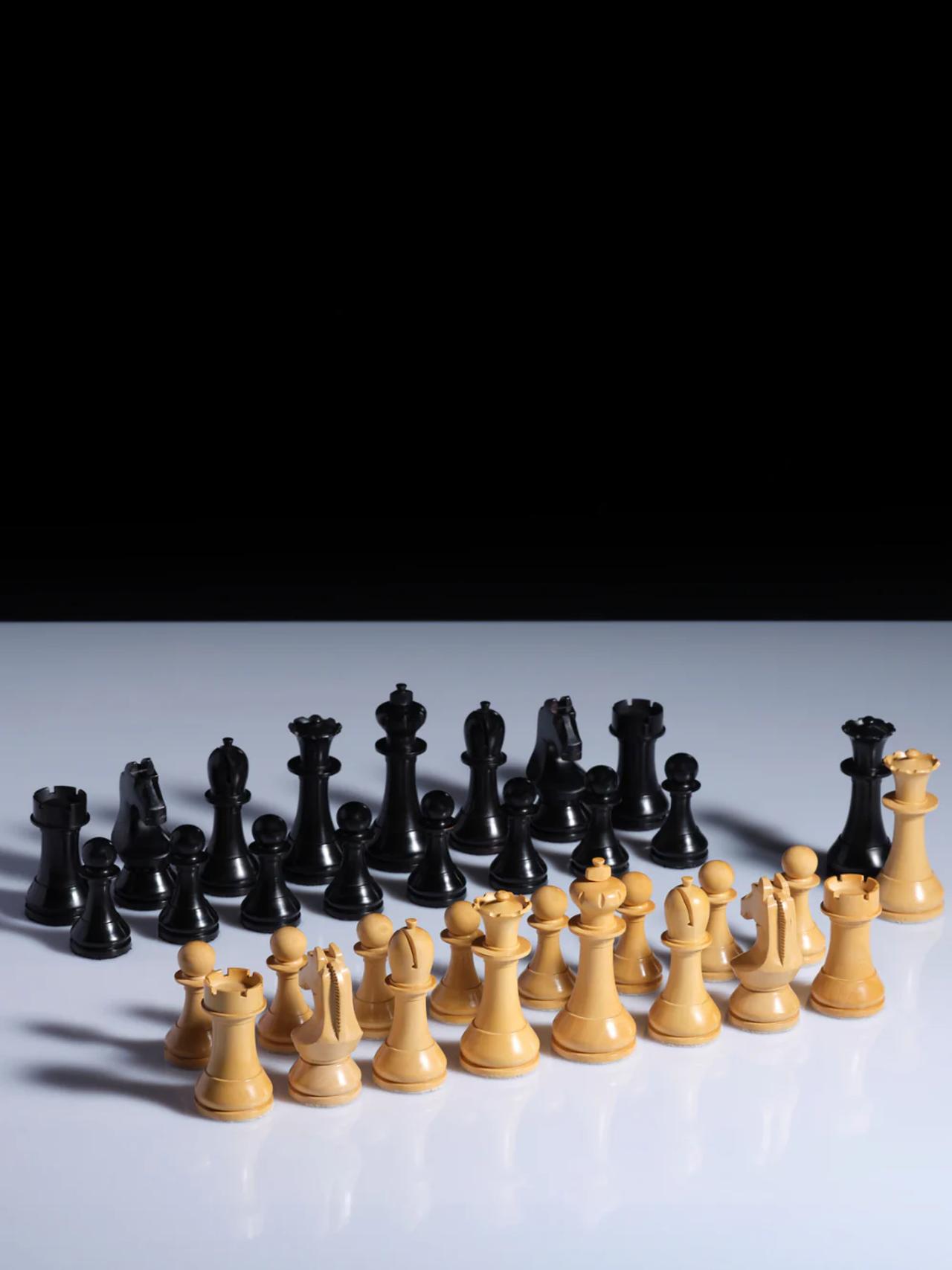
Four Player Chess
The majority of people view chess as a game between two people. One board. Two colors. A direct fight. Then someone introduces four player chess, and suddenly that familiar structure disappears. The board gets larger, alliances become temporary, and the biggest threat often isn’t the person directly across from you. It’s the one sitting to your left. That’s usually the first lesson people learn. At first glance, 4 Player Chess can look chaotic. There are more pieces, directions and elements to keep track of. However after a couple of games the logic of the game starts to make sense. What seemed random begins to feel surprisingly strategic. And once it clicks, going back to regular chess can feel oddly quiet.
What Is 4 Person Chess?
So, What Is 4 Person Chess? In essence it is what it says on the tin. A format of chess but built on four players instead of the usual two. The board is in the shape of a cross or is expanded so that the players can start at one side of the board. Each player can control a full set of pieces, while the turns rotate clockwise.
That simple adjustment changes almost everything.
Unlike standard chess, where your attention is fixed on one opponent, four person chess forces you to think in several directions at once.
You’re calculating:
- threats against you
- opportunities against others
- how two opponents might interact before your next turn
That extra layer makes 4 person chess less predictable and often much more political. The strongest move isn't necessarily the most aggressive. It can be the most advantageous move to simply survive long enough for two other players to weaken one anothers.
How to Play 4 Player Chess: Popular Variants Rules
There are several 4 player chess variants, but two formats dominate most online and casual play.
They feel very different despite sharing the same board.
Standard Free-For-All 4 Player Chess Rules
This is the version most people encounter first.
Each player competes individually.
There are no permanent alliances, and only one winner.
The goal is usually to score points by:
- capturing pieces
- delivering checkmate
- surviving after other players are eliminated
The interesting thing about this format is that direct attacks often backfire.
You might spend several moves trying to pressure one opponent, only to expose yourself to someone else.
That’s why the best 4 player chess rules advice for beginners is simple:
Don’t overextend.
In free-for-all games, greed gets punished quickly.
Standard Teams 4 Player Chess Rules
This version pairs opposite players as teammates.
So if you’re sitting north, your teammate is south.
This changes the game completely.
Now coordination matters more than individual tactics.
Strong team play usually involves:
- creating threats together
- opening files for your partner
- sacrificing material to create attacking chances
Many players actually find this version easier to learn than free-for-all.
Why?
Because the objectives are clearer.
In solo four player chess, everyone is both enemy and opportunity. In teams, decisions become more focused.
Four Person Chess History
The Four Person Chess History goes back much further than many people expect.
Versions of multiplayer chess have existed for centuries.
Some historians point to ancient Indian variants such as Chaturaji, which involved four players and dice-based movement systems. While it wasn’t identical to modern 4 Player Chess, the concept of expanding chess beyond two players is hardly new.
The modern digital version developed much later. Online chess has popularized the format by allowing larger boards and easily supplying a complex turn structure. It is next to impossible to organise a physical four person game, of course doable but cumbersome.
Digitally, though, the format found its audience.
And once communities formed around it, strategies evolved quickly.
Why the game feels so different
Regular chess is largely about precision.
4 person chess adds uncertainty.
That uncertainty comes from one simple fact:
Between your turns, three different players move.
That means positions can shift dramatically before your next chance to respond.
Plans that seem solid can disappear in seconds.
This forces a very different mindset.
Instead of calculating long forcing lines, players often rely more on:
- positional awareness
- threat recognition
- practical judgment
In many ways, 4 Player Chess is less about perfect calculation and more about adaptability.
Chess for 4 Players Tips and Strategies
Usually a player's 1st instinct will be to attack the other player opposite them. That’s often a mistake.
The player to your immediate left usually poses the bigger threat, simply because their pieces can often reach your king more quickly.
That’s one of the oldest strategic observations in four player chess.
A few practical habits help:
Watch left first
Many early attacks come from this direction.
Avoid becoming the obvious leader
If everyone sees you as strongest, you become the common target.
Develop quickly
Slow setups rarely survive.
Use tension
Sometimes threatening is better than capturing.
In team games, communicate through moves
You won’t always have verbal coordination, so positioning has to signal intent.
These ideas aren’t formal laws, but they come up repeatedly in experienced games.
Common beginner mistakes
New players often run into the same problems.
OvercommittingAttacking too aggressively and getting punished from another side.
Ignoring diplomacyEven without speaking, move choices affect how others respond.
Tunnel visionFocusing on one player and missing threats elsewhere.
Playing standard chess habitsMany normal opening ideas don’t translate well.
That adjustment period is part of learning 4 Player Chess.
Conclusion
The Conclusion is fairly simple.
Four player chess takes everything familiar about standard chess and introduces a layer of unpredictability that changes how the game feels.
It’s less controlled, more dynamic, and often much messier.
That’s exactly why people enjoy it.
Whether you prefer tactical chaos in free-for-all mode or structured coordination in team play, 4 Player Chess offers something standard chess doesn’t: a game where strategy has to account for more than one opponent.
And once you get used to that, regular chess can feel strangely quiet by comparison.
See Also
Read more: Chess Variants, Chess 960, and Atomic Chess.