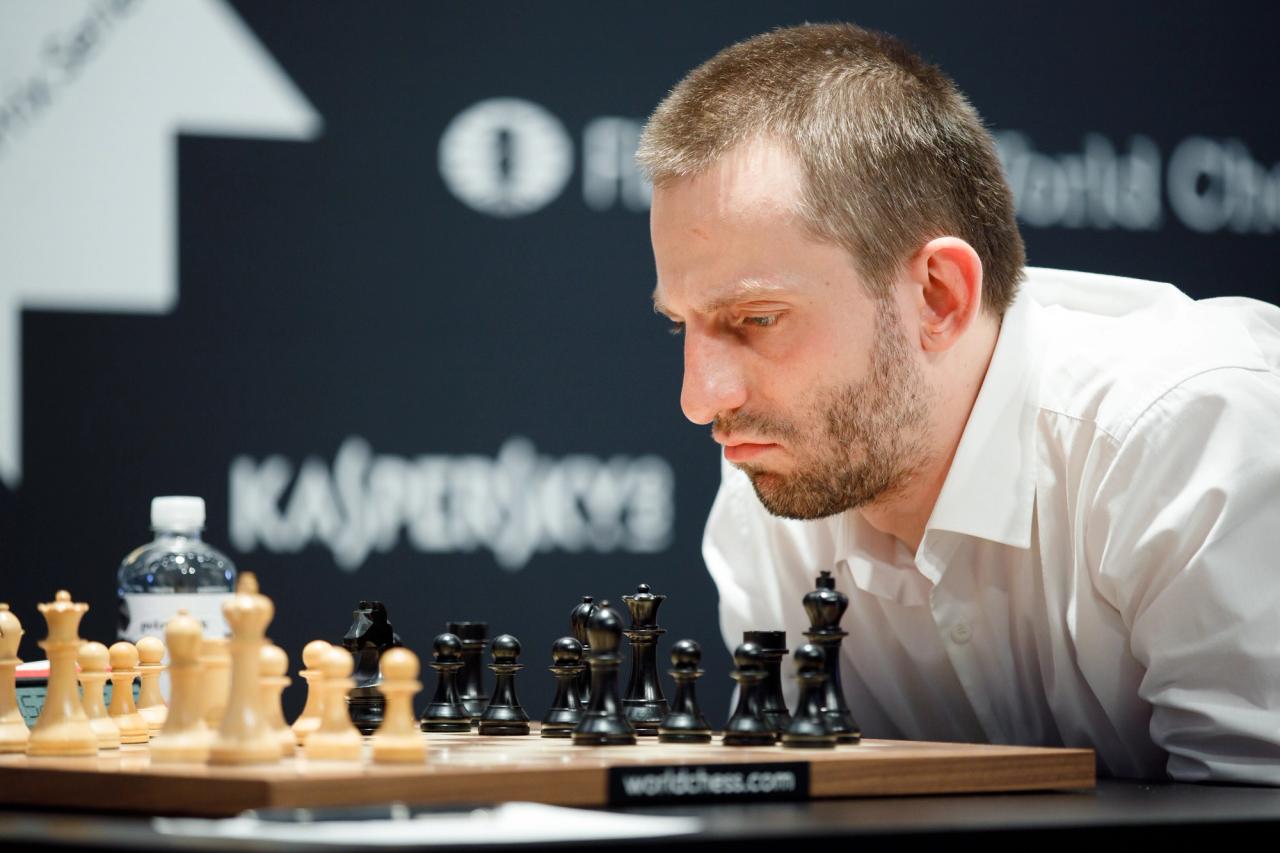
Classical Chess
Classical chess is a variant of chess where time is a key focus. Exchanging fast paced moves and instead giving the players time to think and calculate. It’s slower, but also more demanding in a different way. This format has been the foundation of serious competition for years, and even now, it’s still where the most important games are played.
What is Classical Chess
Classical chess is what most people think of as “standard” chess, especially at a serious level. It has the same rules, but there is a large difference in the time.
For classical chess there is alot more time given to the players in comparison to blitz or rapid. That changes the pace completely. Games can last several hours, sometimes longer depending on the format.
Because of that, it’s often seen as the most “complete” version of the game. You’re not just reacting—you actually have time to calculate, plan, and adjust.
Classical Chess Rules
The rules follow the same as other formats, the pieces move the same with the same goal being a checkmate.
What changes is the classical chess time control.
Typically, players might get:
- 90 minutes for the first 40 moves
- Then additional time for the rest of the game
- Often with an increment (extra seconds added per move)
That’s what people mean when they talk about classical chess time. It gives enough space to think properly, especially in complicated positions.
There are also rules around marking down your moves or recording them on a scoresheet as well as handling time pressure.
Why Is Classical Chess Important?
Classical chess is the main format in major chess tournaments for a reason, even thought other faster formats are becoming more popular.
It gives a clearer picture of a player’s strength. With the extra time, mistakes happen not because of speed but they are more based on knowledge and understanding. This is why elite tournaments and championships still utilize classical chess.
Some reasons it matters:
- It allows deeper calculation and long-term planning
- It reduces random errors compared to blitz
- It’s better for serious preparation and analysis
A lot of strong players will tell you that improvement comes from longer games. You have time to think through positions instead of just reacting.
That doesn’t mean faster formats aren’t useful—but they test something slightly different.
Who Plays Classical Chess?
Mostly serious players. That doesn’t mean only professionals, but it does lean that way.
You’ll see classical chess in:
- Official tournaments
- National and international competitions
- Training environments for advanced players
Casual players can still play it, but online platforms tend to favor quicker games. Sitting down for several hours isn’t always practical.
At the top level, though, this is still the format that matters most. If you’re following elite events, most of the important games are still played under classical conditions.
Conclusion
Classical chess hasn’t really disappeared—it’s just not as visible day to day because faster formats are easier to access.
But if you look at serious competition, it’s still there. The longer classical chess time control gives players room to think, and that changes the quality of the game.
Whether you prefer faster formats or not, it’s worth trying a few longer games. It feels different. Slower, obviously, but also more deliberate.
See Also
Read more: Rapid in Chess, Blitz in Chess, and Bullet Chess.