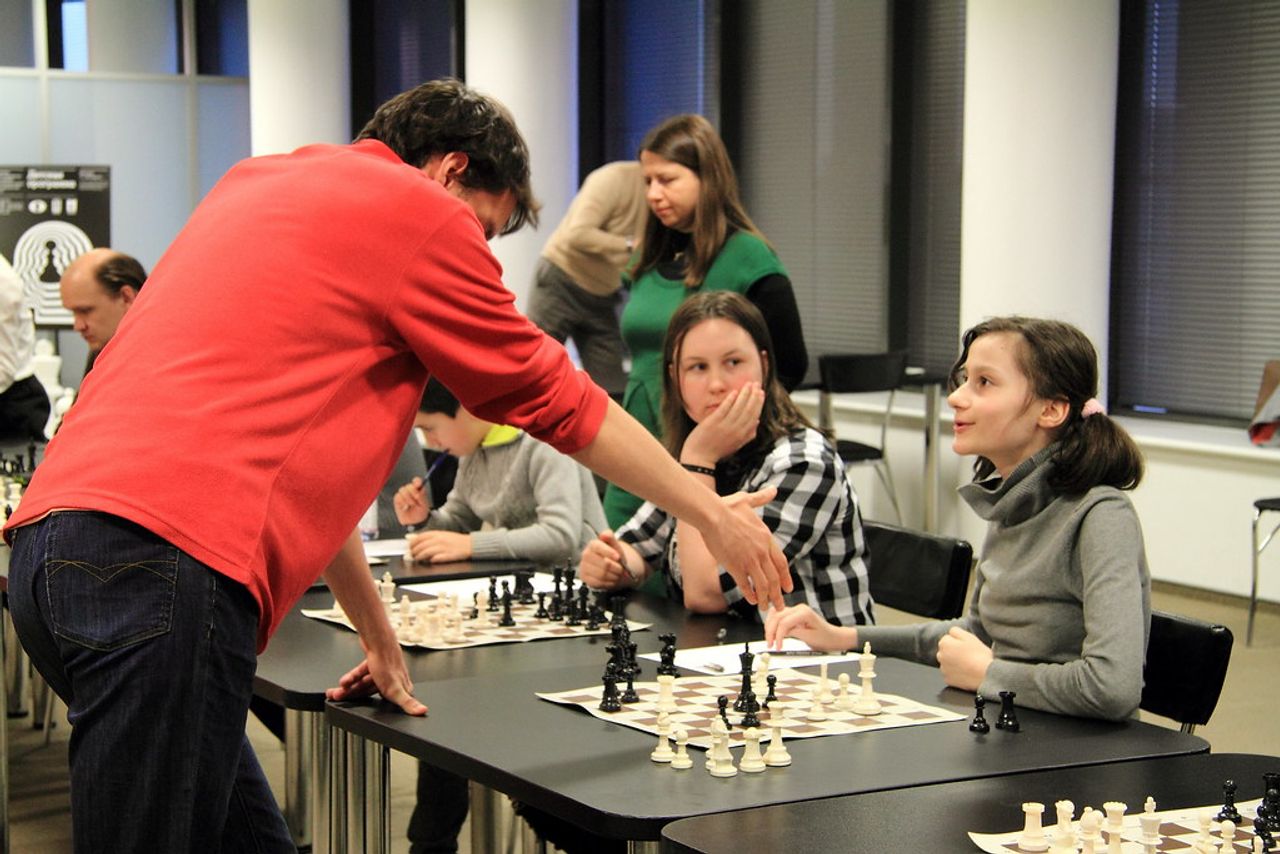
Fide Master(FM)
If you spend enough time around chess—online or in clubs—you’ll start seeing short titles next to player names. GM is the one everyone recognizes. IM comes next. Then, a bit lower down, there’s FM. Can be underestimated at a first glance. However when you understand what it takes to reach that level, the FM Chess Title starts to hold a lot of weight. It’s not a casual strength. It’s the point where someone is clearly a serious, competitive player.
What is FM in Chess?
So, what is FM in Chess? The fm title or FIDE Master is an official title given by FIDE. Unlike other higher titles, the rank doesn't require norms, only a rating.
That threshold is 2300 Elo.
Now, that number doesn’t mean much until you’ve played in rated events. Getting there is not quick. Most players never come close, even after years of playing.
A chess fide master is someone who has reached that level of consistency. Not just one good tournament, but sustained performance against strong opposition.
So when you see the fm in chess label, it’s not decorative—it reflects a real skill gap.
How To Earn The Fide Master Chess Title
Looking at How To Earn The Fide Master Chess Title, the process is actually more straightforward than people expect.
There’s no complicated checklist. No separate application process beyond rating confirmation. The main requirement is simple:
- reach a FIDE rating of 2300 at any point
That’s it.
However it is not that simple.
Climbing from 1800 to 2300 is extremely difficult at that level:
- opponents make fewer mistakes
- small inaccuracies get punished
- consistency matters more than brilliance
So while the fide master chess title doesn’t require norms like IM or GM, the rating requirement alone filters heavily.
Most players who achieve the chess fm title have spent years playing tournaments, adjusting their style, and learning how to handle stronger opposition.
Alternative Way to Earn FM
There is also an Alternative Way to Earn FM, though it’s less common.
In certain international events—especially youth championships or continental competitions—strong performances can result in direct title awards. These are tied to specific placement rules set by FIDE.
For example:
- top finishes in youth world championships
- strong results in continental events
- certain Olympiad-related performances
These paths don’t bypass skill—they just recognize it through results instead of rating alone.
Even so, most players still earn the fm title in chess through the rating route, simply because it’s the most accessible and consistent path.
What the level actually looks like
This is where things get a bit more practical.
A chess fide master doesn’t just “play well.” At that level, players:
- rarely blunder pieces outright
- understand typical structures deeply
- calculate efficiently rather than endlessly
- know when to simplify and when to keep tension
It’s not about flashy tactics every game, but control. If your opponent has ever been someone near 2300 you'll start to notice the game doesn’t collapse quickly. It just becomes harder and harder to play until mistakes appear.
That’s usually the difference.
FM Chess Title Importance
The FM Chess Title Importance depends on how you look at chess.
For casual players, it’s a marker of high-level skill. Someone with this title is already far beyond average club strength.
For players who compete, it's an interesting position. Placing itself not as a final goal but a milestone.
Some reasons it matters:
- it confirms a strong, internationally recognized rating level
- it often opens doors to stronger tournaments
- it shows consistency, not just peak performance
- it acts as a stepping stone toward IM or GM
At the same time, the FM Chess Title is permanent. Once earned, it stays with the player.
That alone gives it weight.
A quick comparison (informal)
To give some context:
- Club player: ~1200–1800
- Strong club / expert: ~1800–2200
- FM level: 2300+
- IM / GM: above that, with additional requirements
So the fm title in chess sits right at the point where casual strength ends and serious competitive play begins.
Conclusion
The conclusion is fairly straightforward.
The FM title might appear modest when compared to GM or IM, however acquiring the title still isn't easy. It showcases years of commitment, playing, improvements and dominance over your opponents.
For some players, it’s the final goal. For others it may just be a stepping stone to higher titles. Either way when you see a chess fide master or you yourself are one, they are someone who has already climbed to a very different level of chess.
See Also
Read more: IM Chess Title, NM Chess Title, and CM Chess Title.