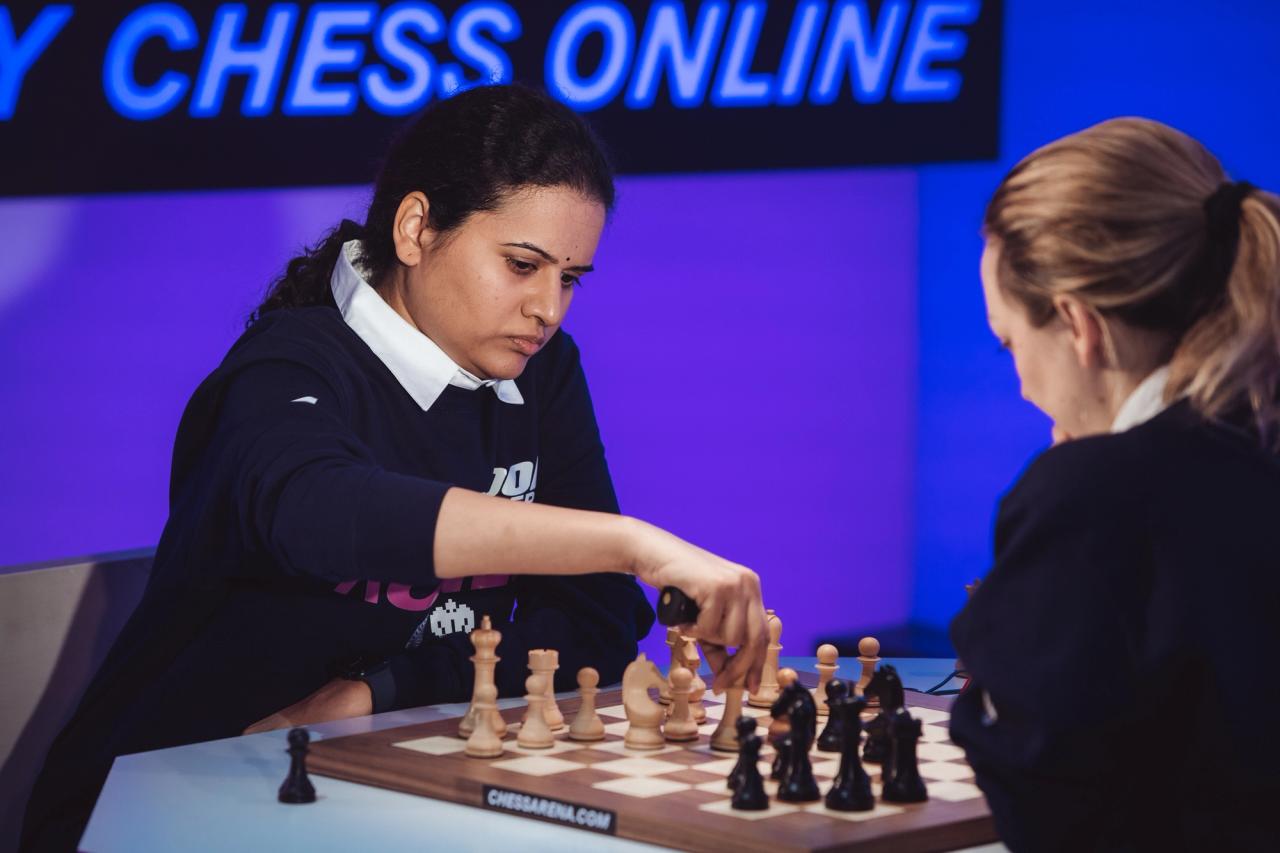
Woman Fide Master
You don’t really notice chess titles at first. You see them, sure—WFM, WIM, GM—but they’re just letters next to a name. Then at some point you realise they actually separate players who casually play from players who live in tournament chess. The chess wfm title sits in that middle space. Not beginner, not elite, but definitely serious. And once you understand what goes into it, it stops looking like just a label.
What Is WFM in Chess?
So, What Is WFM in Chess?
It stands for Woman FIDE Master, a title awarded by FIDE.
But in practice, the chess woman fide master title is really just a marker of strength at tournament level. It’s not something you stumble into.
Most players who hold it have already spent years in competitive chess, not casual games.
The general threshold is around 2100 rating, often referred to as wfm chess elo. Once a player crosses that level in rated events and meets federation conditions, the title can be awarded.
You’ll also see it written as wfm title chess or sometimes chess wfm rank in tournament databases.
It’s all referring to the same thing.
How To Earn Woman Fide Master Chess Title
The process for How To Earn Woman Fide Master Chess Title sounds simple on paper, but it isn’t really “simple” in reality.
There are two main ways:
One is rating.
The other is performance in specific tournaments.
Rating-wise, the key point is reaching the wfm chess elo level consistently, not just briefly. That matters more than people think. A single spike isn’t enough.
The second route involves results in official events. Some strong finishes in continental or youth tournaments can lead directly to the chess wfm title, depending on the regulations in place.
Either way, the idea behind the wfm title chess isn’t just strength in one game—it’s repeatability.
WFM Chess Title Importance
The WFM Chess Title Importance isn’t always obvious from the outside.
To a casual player, it might not sound like much compared to higher titles. But inside tournament chess, it signals something specific: this is a player who has crossed into structured competitive strength.
At that level, games change slightly:
- fewer obvious blunders
- openings feel more prepared
- endgames stop collapsing quickly
- small mistakes start deciding results
The chess wfm title becomes a kind of entry point into serious competitive chess, where improvement slows down and details matter much more.
That’s usually when players either push further—or plateau.
Most Popular Woman Fide Masters
When people talk about Most Popular Woman Fide Masters, they often mix competitive strength with visibility.
Some names stand out:
- Alexandra Botez – competitive background, strong online presence
- Andrea Botez – active player and content creator with tournament experience
- Sofia Polgar – part of the Polgar chess family, long-term competitive history
These wfm chess players aren’t just known for titles, but also for how they’ve shaped modern chess visibility.
And that matters in a way ratings alone don’t capture.
What the level actually feels like
There’s a noticeable shift around this rating band.
A chess woman fide master doesn’t just rely on tactics anymore. Games become slower in a different way—not because players hesitate, but because positions are handled more carefully.
Mistakes still happen, but they’re smaller. Less obvious. More “positional” than tactical.
That’s often the difference between club chess and titled chess.
Quick comparison (informal, not strict)
- Club level: learning basics, inconsistent results
- Tournament regular: starting to stabilise results
- wfm chess elo level: consistent competitive strength
- higher titles: deeper preparation + stronger norms required
So the chess wfm rank sits right at the point where players stop being “developing” and start being established competitors.
Conclusion
The Conclusion is fairly simple.
The chess wfm title isn’t about one standout performance. It represents consistency at a level where mistakes are smaller, games are tighter, and preparation starts to matter more.
For many players, becoming a chess woman fide master is the first real recognition that they’ve moved beyond casual or intermediate chess.
And once the wfm title chess is earned, it stays as a permanent marker of that stage in a player’s development—even if they go much further later.
See Also
Read more: Chess Woman Grandmaster, Woman International Master, and Fide Master(FM).