There's One Big Thing On The Agenda At FIDE's General Assembly That Could Spark A Crisis In Chess
The chess world could see a momentous change this weekend as Russia pushes again to be readmitted to team sport next year. How strong is the opposition?
Prepare for another big unsightly row that just might engulf chess—or it might just get swept under the carpet. Who knows?
This weekend it's the FIDE General Assembly—and one item dominates the agenda. It's Russia, of course.
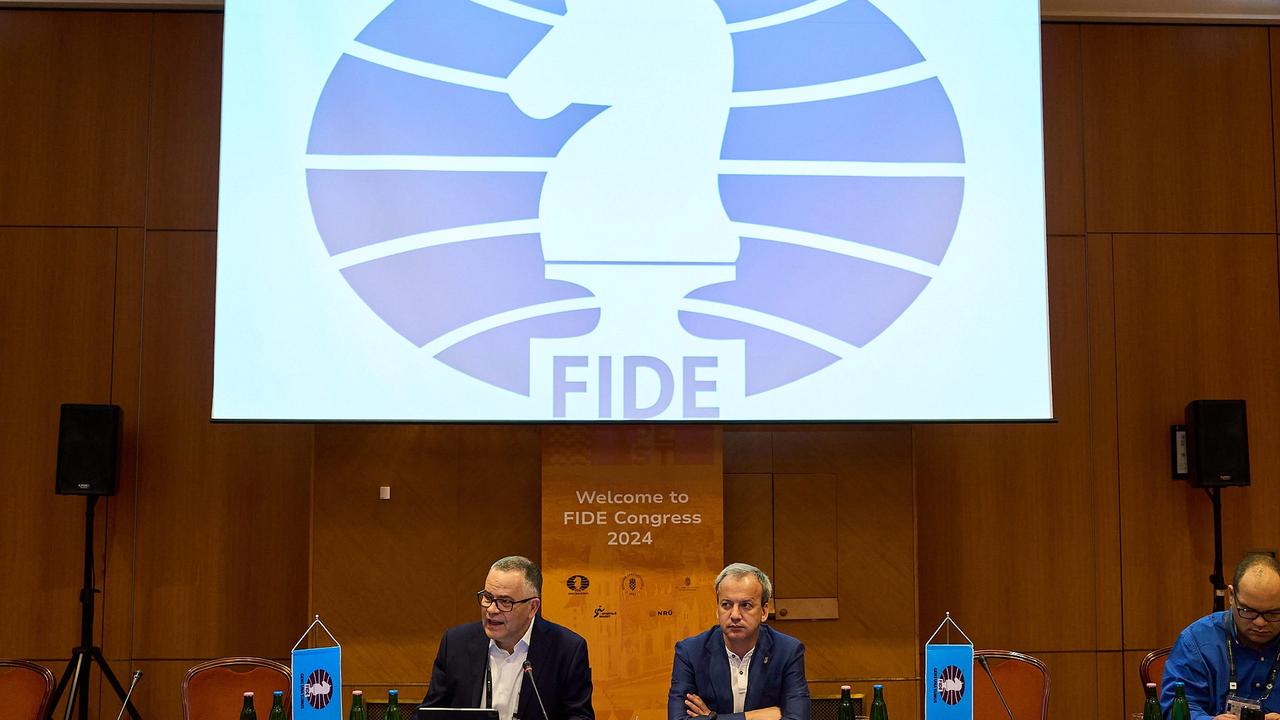
2025's big meet-up of chess bureaucrats takes place on December 14. The General Assembly is the highest authority of FIDE. Effectively, FIDE's parliament. It meets as part of the FIDE Congress and is supposedly where all the big decisions are made.
Pre-Covid, this happened in-person, but now—thankfully—outside of the Olympiad it happens online.
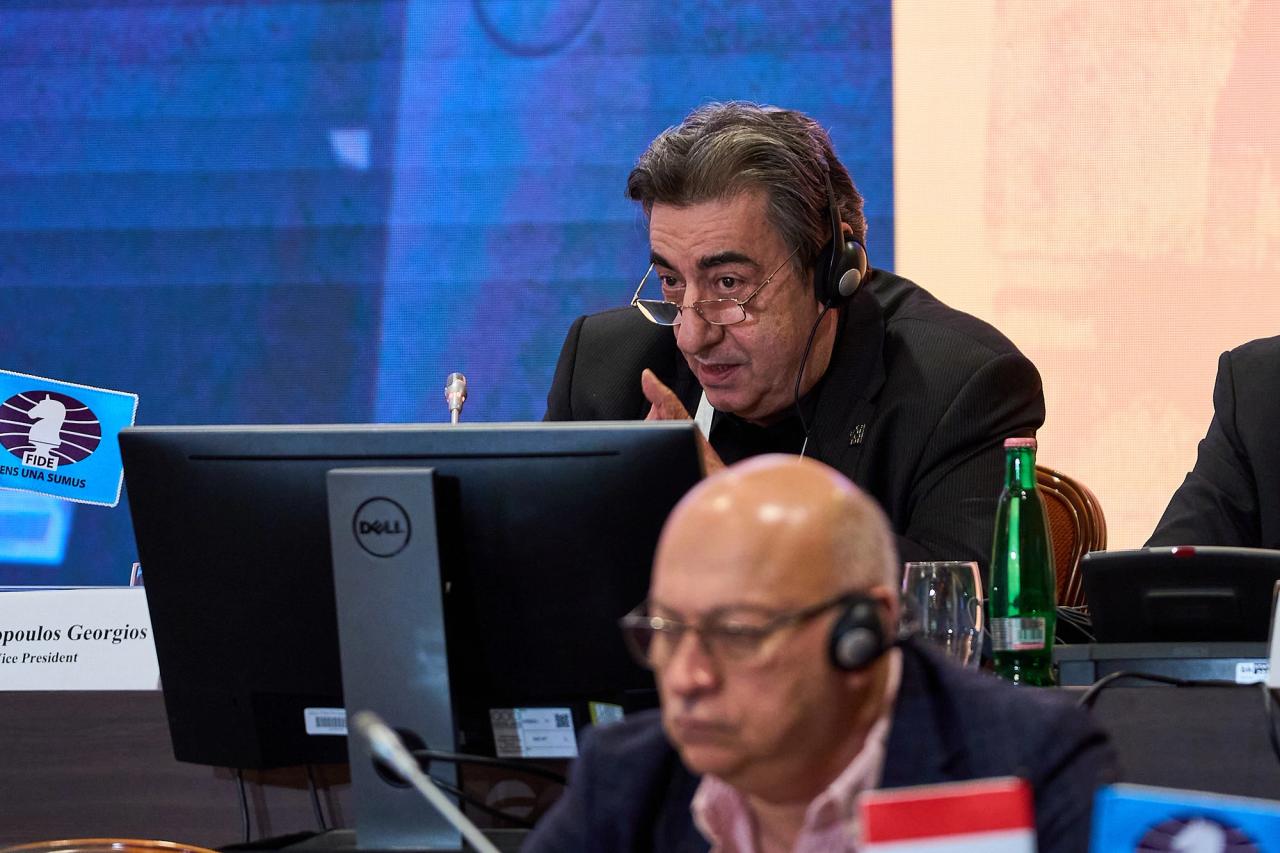
Much of the General Assembly is just process and theatre, however, as the real deals, discussions and decisions have been made long beforehand. So there are few surprises and don't expect to be entertained.
However, if you like politics, chess and extremely dry and bureaucratic meetings, it doesn't get better than this.
The Preamble
Delegates from 200 member federations have the right to vote, and decisions are made (controversially) using the one-member-one-vote system. Going into the meeting one federation, Burkino Faso, is suspended.
The African nation was punished in 2024 primarily due to being in arrears on its financial obligations and there's been no change since. For that reason, an item on the agenda proposes throwing the Burkina Faso Chess Federation out of FIDE altogether, which will likely happen.
But wait. Confusingly, a new, active federation has applied for entry—with exactly the same name—so Burkina Faso chess fans need not worry, the old federation will be chucked out moments before the new one is admitted. That's just so FIDE.
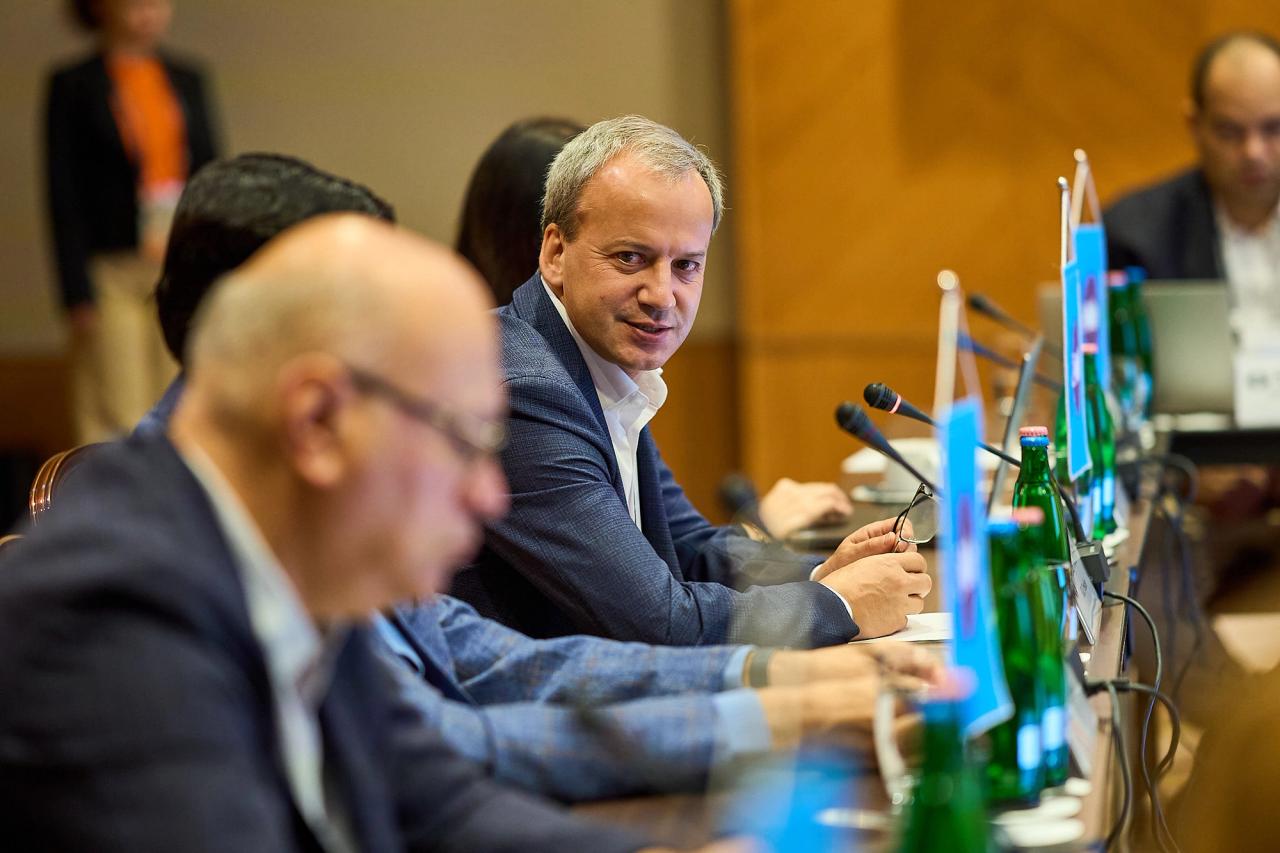
New federations from Guinea, the Marshall Islands and Kiribati are also all expected to be approved giving FIDE three new members and a boost for chess in the central Pacific Ocean. All three will get exactly the same voting rights as, say, India, America or Russia.
FIDE's budget will feature heavily with the General Assembly invited to approve last year's accounts and how FIDE spends its money for the year 2026 and provisional FIDE budget for the year 2027. What were the president's travel expenses again?
Changes to the FIDE Handbook, in effect the chess rulebook, will also be discussed, along with other admin and voting procedures. Try not to go to sleep here.
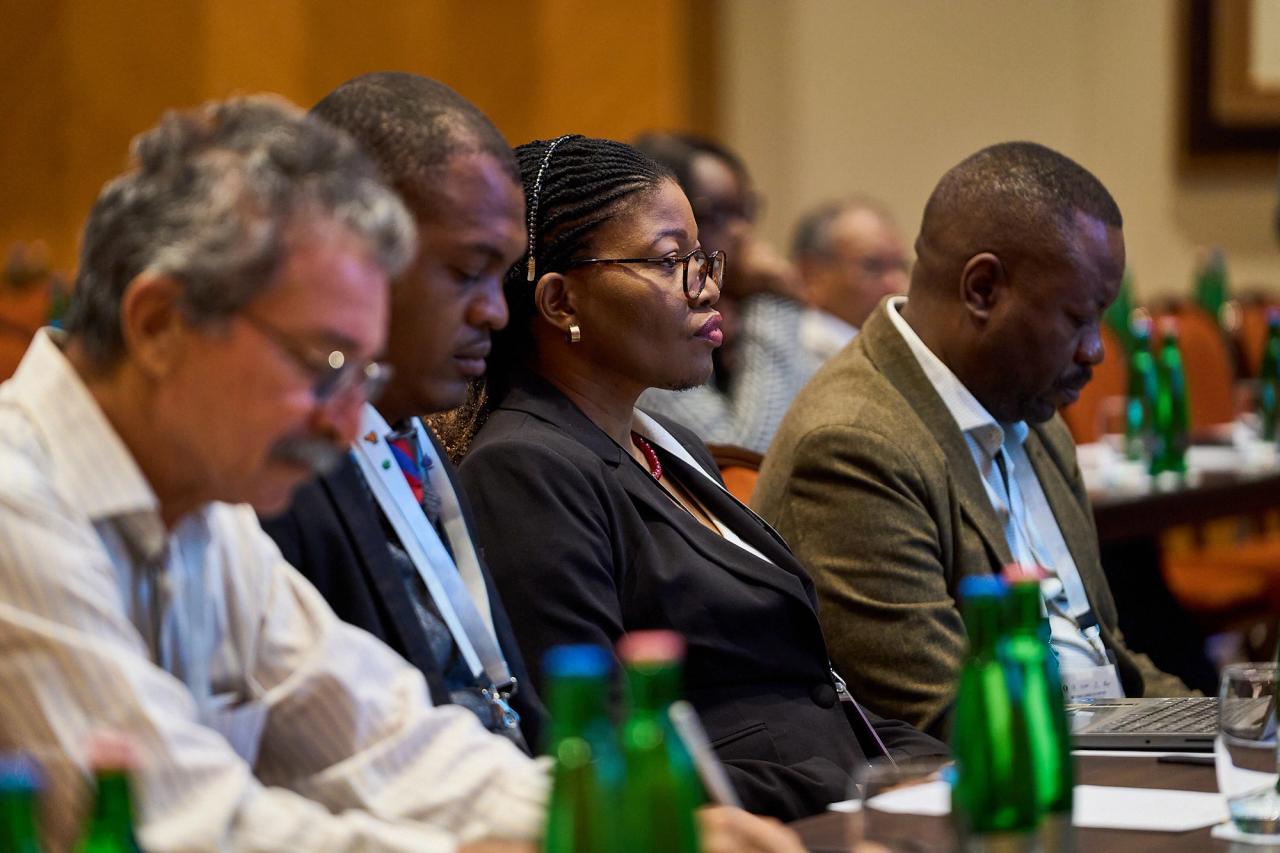
But the agenda really spices up when we get to "Section 3 – Federation issues". This is the big one: the Chess Federation for Russia (CFR) has called for a lifting of restrictions on its players brought in by FIDE after Russia's full-scale invasion of Ukraine.
This has potentially worldwide consequences. Chess could become one of the few major sports to readmit Russian and Belarusian teams and allow them to compete and fly their national flags at events. If chess allows this, calls will be made elsewhere—that's exactly what Russia is hoping for.
Since Russia's full-scale invasion of Ukraine in 2022, FIDE has followed International Olympic Committee (IOC) guidelines and excluded Russian and Belarusian teams from international competition.
Strength of feeling in support of Ukraine among the western federations and the need to keep on-side with the IOC prevailed. Many federations worldwide rely on the IOC and the international body's definition as chess as an Olympic sport to unlock funding streams in their home countries. It's key.
Room To Wriggle
Until now, FIDE's Russian president Arkady Dvorkovich has, in effect, been powerless on the issue of Russian and Belarusian involvement and had to accept decision-making led by the FIDE Council.
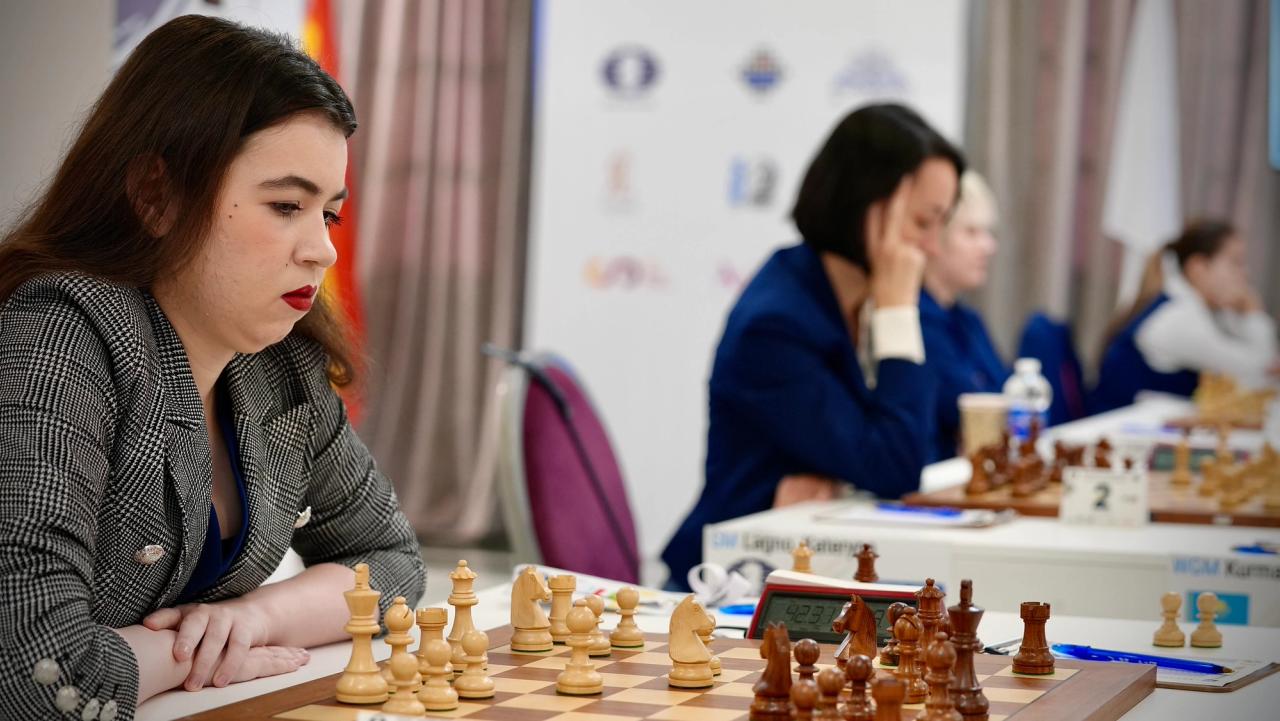
But that has been changing. Since the Olympiad in Budapest last year, FIDE has been allowing a slow loosening of the rules that has crept in at junior and disability events and, most recently, at the recent Women's World Team Chess Championships in Linares, Spain.
The Women's World Teams, won by a Team FIDE comprising entirely of Russian players, stoked up a lot of anger in November. The Ukrainian Chess Federation protested noisily before eventually filing a last-minute objection.
#chess #FIDE The delegation of #Ukraine🇺🇦 officially appeals the ridiculous participation of a "FIDE" team in Linares, consisting solely of Russian passport holders. It violates all IOC guidelines and the decisions of the FIDE General Assembly and the FIDE Council. pic.twitter.com/xhjeiPMTVP
— George Mastrokoukos (@GMastrokoukos) November 17, 2025
The event, with the neutral but entirely Russian "Team FIDE", went ahead anyway. FIDE insisted it wasn't breaking its own rules and had received a letter of no-objection from the IOC allowing it to press on.
A Ukrainian team even competed in the other half of the draw, despite calls from within the war-torn country for it to pull out.
As recently as May 2025, the IOC reaffirmed its decision to exclude the Russian and Belarusian sports federations and their teams.
However, the CFR has eyed some wriggle-room. In its submission to FIDE, CFR president Andrey Filatov cites fencing, judo and rowing among other "positive examples" of sports that have allowed Russian athletes to compete and called on chess to follow.
These are hardly major sports, however. They are the thin edge of the wedge—as is chess.
Filatov calls for teams from Russia and Belarus to be allowed back into the 2026 competition cycle, including the 2026 Chess Olympiad, and for delegates to instruct the FIDE Council to allow the Russian and Belarusian flags to be flown again.
The Ukrainian Chess Federation is sure to object, along with federations from England, Germany, France, and the U.S. Expect a series of interventions to be made on behalf of Ukraine. But when it comes down to a vote, how much support will they get?
The matter has come up before: at the 2024 FIDE General Assembly in Budapest when it was proposed by the Kyrgyz Chess Federation. It caused uproar and even five-time world champion GM Magnus Carlsen stepped into politics to urge FIDE to uphold the restrictions.
That attempt ended in defeat for the Kyrgyz proposal meaning FIDE's headline position, despite its exceptions, stayed that Russian and Belarusian chess teams remain banned.
Will this time be different? If the motion is waived through, how will the chess world react? Will countries consider boycotting events, such as the Olympiad, that Russia intends to compete in?
The potential ramifications are huge. It's likely the decision has already been set in stone one way or the other. We'll find out on Sunday.
You can watch the FIDE General Assembly on FIDE's YouTube channel here.