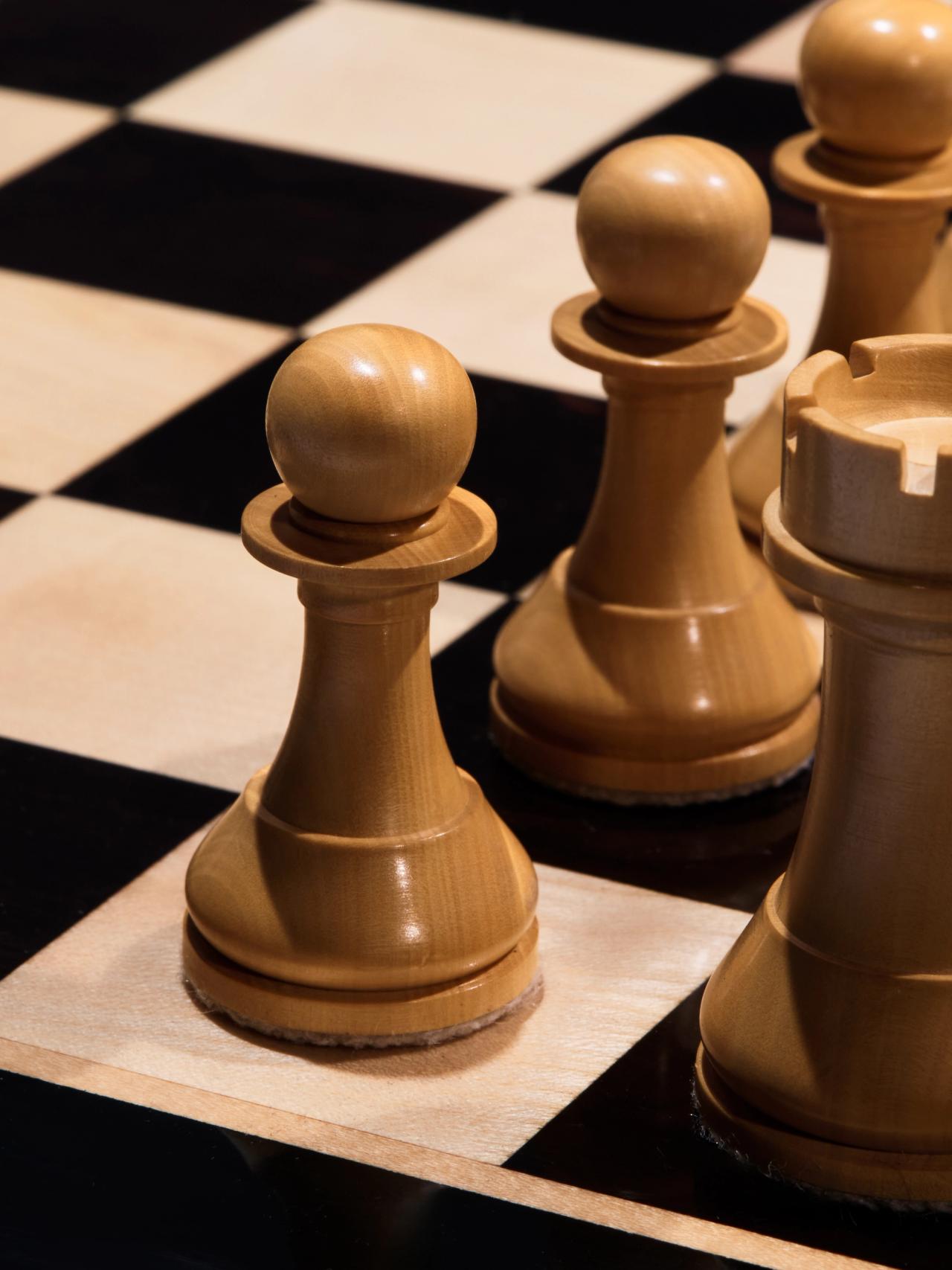
Strategy in Chess
Many beginners think chess is mostly about tactics. A fork wins a queen, a discovered attack creates pressure, and a checkmate ends the game immediately. Those moments are memorable, so they naturally get attention first. But stronger players usually see something else underneath the tactics. Long before combinations appear on the board, a position is already moving in a certain direction. One side controls more space. One king feels safer. One set of pieces works together more naturally. Those quieter details are where strategy begins. That is why understanding chess strategy matters even for players who are still learning openings or basic tactics.
What is Chess Strategy
So, What is Chess Strategy exactly?
Simply, strategy refers to the long term view of chess. It focuses more on the improvement of your position over several moves rather than just immediate threats.
A player using good strategies for chess usually asks questions like:
- Which piece is poorly placed?
- Which pawn structure is weak?
- Which side of the board should I attack?
- Where will my king be safest later?
Great tactics might allow you to win quickly, however strategy creates the conditions that make tactics possible.
A useful way to think about it is this:
- tactics solve immediate problems
- strategy shapes the future position
Strong players constantly combine both.
Some positions contain no tactical tricks at all. In those games, patience and planning become more important than calculation speed.
That is where real chess game strategy starts to appear.
Chess Strategy Importance
The section Chess Strategy Importance becomes easier to understand after a few difficult losses.
Many players lose games without blundering material directly. Instead:
- their pieces become passive
- their king stays exposed
- their pawns weaken important squares
- they run out of useful moves
Strategic mistakes usually build slowly.
A knight placed badly on move ten may still cause problems fifteen moves later. If your pawn placement is weak in the opening, it may become hard to defend them in the endgame. Hence why experienced players study positioning instead of memorizing only tactics.
Good chess strategy helps players:
- coordinate pieces better
- avoid long-term weaknesses
- create active plans
- improve decision-making under pressure
If you don't have strategy, moves are mainly random and reactionary rather than a tight plan.
Basic Chess Strategy Concepts
Basic Chess Strategy goes over the foundational concepts that players learn during studying. However, positions will vary depending on the game, a lot of positioning and concepts repeat.
Piece Activity in Game
The heading Piece Activity in Game focuses on one of the most important positional ideas. A pieces is active when its movements influence the board and its involvement in the game has weight.
As an example:
- a rook on an open file usually becomes active
- a knight trapped behind pawns often becomes passive
- bishops improve when diagonals open
Both players may have equal material, however the player with more active pieces has an easier time playing.
This particular chess strategy concept appears constantly in master games.
Space Advantage
The section Space Advantage refers to controlling more territory on the board.
A player with extra space often has:
- more room for pieces
- easier maneuvering
- better attacking chances
While a position that is cramped can feel more difficult since pieces block and interfere with each other. Pawns can create spatial advantages however, being too aggressive with them an also weaken fellow pawns.
That balance matters.
Material Count Advantage
The heading Material Count Advantage deals with the simplest form of advantage: having more material.
Traditional piece values look like this:
- pawn = 1
- knight = 3
- bishop = 3
- rook = 5
- queen = 9
Material winning does not always guarantee victory but it can help and simplify the game. But chess is never one thing alone.
Sometimes players sacrifice material intentionally for:
- king attacks
- space
- initiative
- active pieces
That trade-off appears in many aggressive openings.
Pawn Structure
The structure of your pawns is super important to your overall positioning. Unlike other pieces, pawns very rarely move backwards and once they are weakened or in a weak position it can be hard to lose.awns rarely move backward. Once weaknesses appear, they often stay permanent.
Common structural weaknesses are:
- isolated pawns
- doubled pawns
- backward pawns
Strong pawn structures can provide:
- stable squares for pieces
- safer kings
- easier endgames
Weak structures can become long-term targets.
Control of the Center
The heading Control of the Center explains why central squares matter so much.
Pieces placed near the center usually influence more squares than pieces stuck near the edges.
That is why openings often fight immediately for:
- e4
- d4
- e5
- d5
Controlling the center gives pieces greater flexibility and often creates easier attacking chances later.
Many classical opening principles come directly from this idea.
King Safety in Game
The section King Safety in Game may decide games more than any other strategic factor.
An exposed king creates tactical problems constantly.
Players usually improve king safety by:
- castling early
- avoiding unnecessary pawn weaknesses
- keeping defenders nearby
Even players with strong attacks sometimes lose because their own king becomes vulnerable first.
Good strategic players never ignore king safety for too long.
How strategy changes with experience
Beginners often search for immediate threats every move. More experienced players start thinking in longer patterns.
Instead of asking:
- “Can I win material now?”
they may ask:
- “Which position will be easier for me ten moves later?”
That shift is a major step in chess improvement.
Suggested internal links
Conclusion
The Conclusion is fairly straightforward.
Good tactics may decide individual moments, but strategy shapes the entire direction of a game. Understanding piece activity, pawn structure, king safety, central control, and space gives players a clearer sense of what positions require.
The deeper players study chess strategy, the more connected the game begins to feel. Moves stop becoming isolated decisions and start forming long-term plans instead.
See Also
Read more: Tactics in Chess, Chess Blunder, and Opposition In Chess.