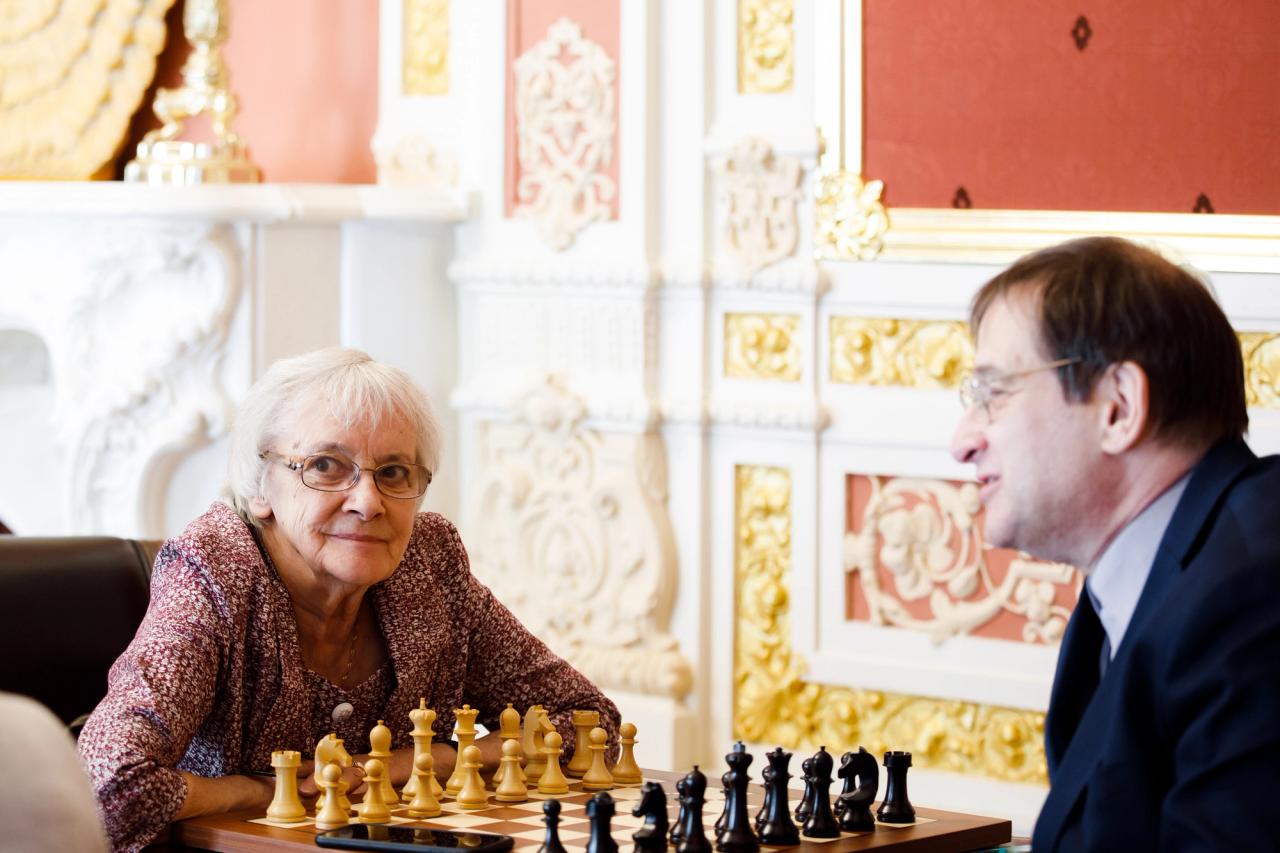
International Chess Federation(Fide)
Walk into almost any serious chess tournament and one name appears everywhere: FIDE. It’s printed on rating cards, tournament pairings, arbiters’ badges, and championship broadcasts. Even players who mostly stick to online games usually hear about it sooner or later, especially once ratings and official titles enter the conversation. For newer players, though, the organization can feel slightly mysterious at first. The terms “FIDE ratings” or “FIDE rules” float around constantly however rarely do we pause to explain them or what FIDE actually does. In practice, the international chess federation governs competitive chess globally. Without FIDE it would be a lot harder to organize international events.
What Is Fide In Chess ?
So, What Is Fide In Chess ?
The name originates from the French: Fédération Internationale des Échecs. Translating to the English, International Chess Federation.
The organization officially formed in 1924.
Officially formed in 1924, existing beforehand as separate national or regional events FIDE works to unite these. There was no consistent ruling, ratings or international championships structure.
The creation of fide changed that.
Over time, the organization became responsible for:
- tournament standards
- international ratings
- official chess titles
- championship organization
- competitive rules
Today, almost every major over-the-board event follows regulations connected to fide in some way.
One interesting detail is how naturally the name became part of everyday chess language.
Players say things like:
- “My FIDE rating went up.”
- “She’s trying for an IM norm.”
- “That event wasn’t FIDE-rated.”
Even casual tournament players eventually start using the terminology automatically.
How ratings became important
One of the biggest contributions from the international chess federation involves ratings.
The rating system gives players a measurable way to compare strength across countries and tournaments.
That matters more than many beginners realize.
A player from Brazil can enter an event in Germany or India and immediately understand the approximate level of the opposition through ratings alone.
Without a shared system, international competition would become confusing very quickly.
The rating list maintained by fide updates regularly and influences invitations, seedings, and title requirements.
FIDE Chess Organization Importance
The section called FIDE Chess Organization Importance mostly comes down to stability.
Competitive chess works because players trust the structure behind it.
The organization helps maintain:
- official tournament regulations
- recognized pairings systems
- international rankings
- title requirements
- standardized rules
That consistency allows events from different countries to operate under similar expectations.
The fide international federation also oversees large global competitions such as:
- the Chess Olympiad
- World Championship cycles
- youth championships
- rapid and blitz championships
For many players, these events represent career milestones.
Another reason the fide chess organization matters is legitimacy. Any local club can create a ranking system however a FIDE title or tournament carries international value and weight. This means that when a player gains a recognized title players across the chess world understand the gravity attached to it.
That shared understanding keeps the competitive system connected globally.
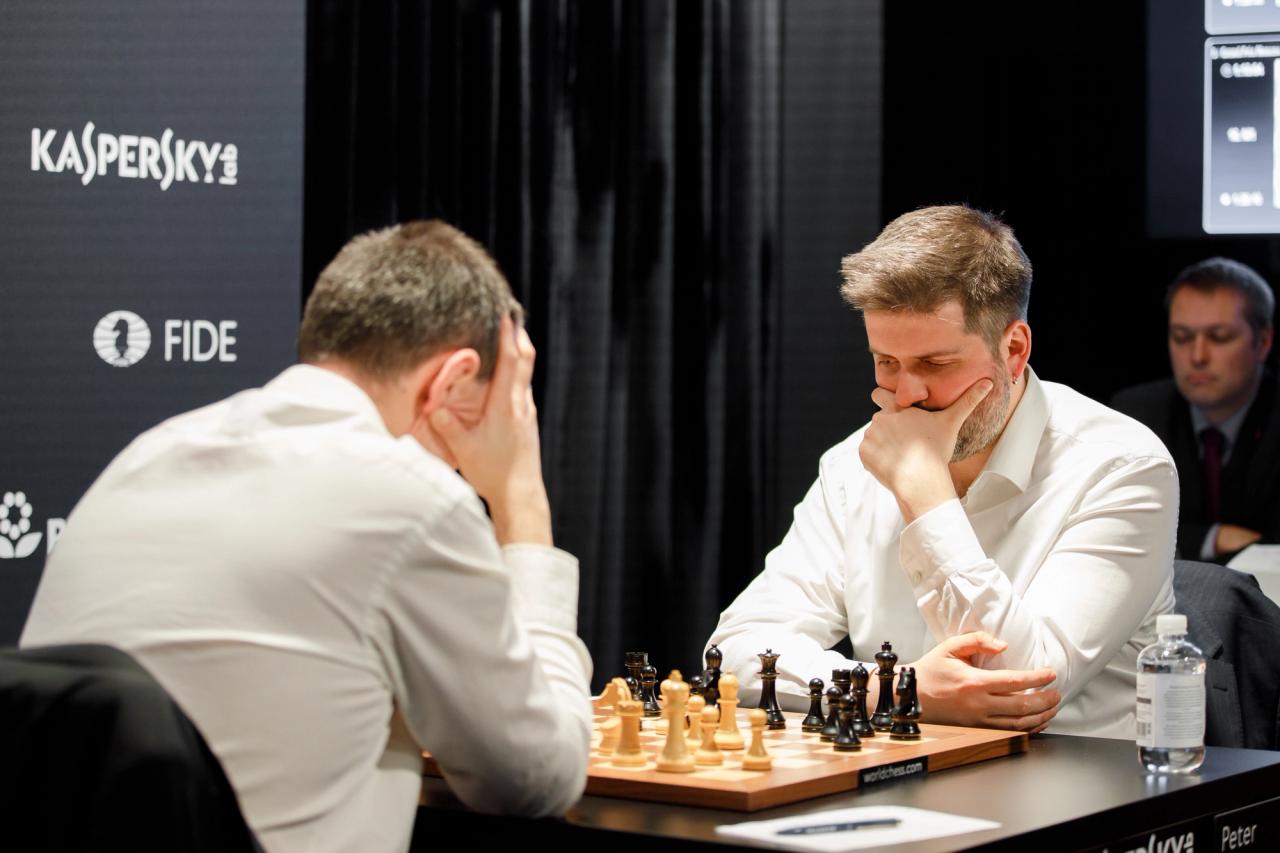
Main Functions of International Chess Federation
The section titled Main Functions of International Chess Federation covers several different responsibilities.
Maintaining official rules
Tournament chess requires precision.
The Laws of Chess maintained by fide define situations involving:
- illegal moves
- draw claims
- time controls
- touch-move procedures
- arbiter decisions
These rules help prevent disputes during serious events.
Organizing championship events
The organization also manages major international competitions.
Among the best known:
- World Chess Championship
- World Rapid Championship
- Chess Olympiad
These tournaments attract elite players from around the world.
Supporting national federations
National chess federations work alongside fide to organize rated events and develop players locally.
This structure helps connect smaller chess communities to international competition.
Regulating titles and norms
Another major task involves tracking norms and title eligibility.
Without centralized oversight, official titles would lose consistency very quickly.
Chess Fide Titles
For many players, titles are the most recognizable part of the system.
The section Chess Fide Titles includes distinctions such as:
- Candidate Master (CM)
- FIDE Master (FM)
- International Master (IM)
- Grandmaster (GM)
There are women-specific titles too:
- WFM
- WIM
- WGM
The majority of titles require both rating and high performance during tournaments. For example, grandmaster norms are only acquired under strict competitive conditions.
An important detail is permanence.
Ratings change constantly, but titles usually stay for life once officially awarded.
That permanence gives them long-term prestige inside competitive chess culture.
For ambitious players, titles often become multi-year goals.
Some spend years chasing:
- a 2300 rating for FM
- IM norms
- or the famous 2500 threshold connected to Grandmaster requirements
Why players care about FIDE events
Not every strong player dreams of becoming world champion.
Still, official FIDE tournaments matter because they provide:
- rated games
- title opportunities
- international competition
- ranking visibility
Even one strong event can significantly change a player’s career trajectory.
That’s why serious tournament calendars often revolve around officially rated competitions.
Other related articles
Conclusion
Modern tournament chess depends heavily on fide. The organization works by connecting players, federations, tournaments, ratings and moderates with official rules creating a shared international system.
Whether your aim is to be a world champion or casually played games, you can always feel the influence of FIDE inside and outside competitive chess. The majority of players will be first recognised by their FIDE rating and later on realize how much organised chess operates because of it.
See Also
Read more: Fide Master(FM), Arbiter in Chess, and International Сhess Day.