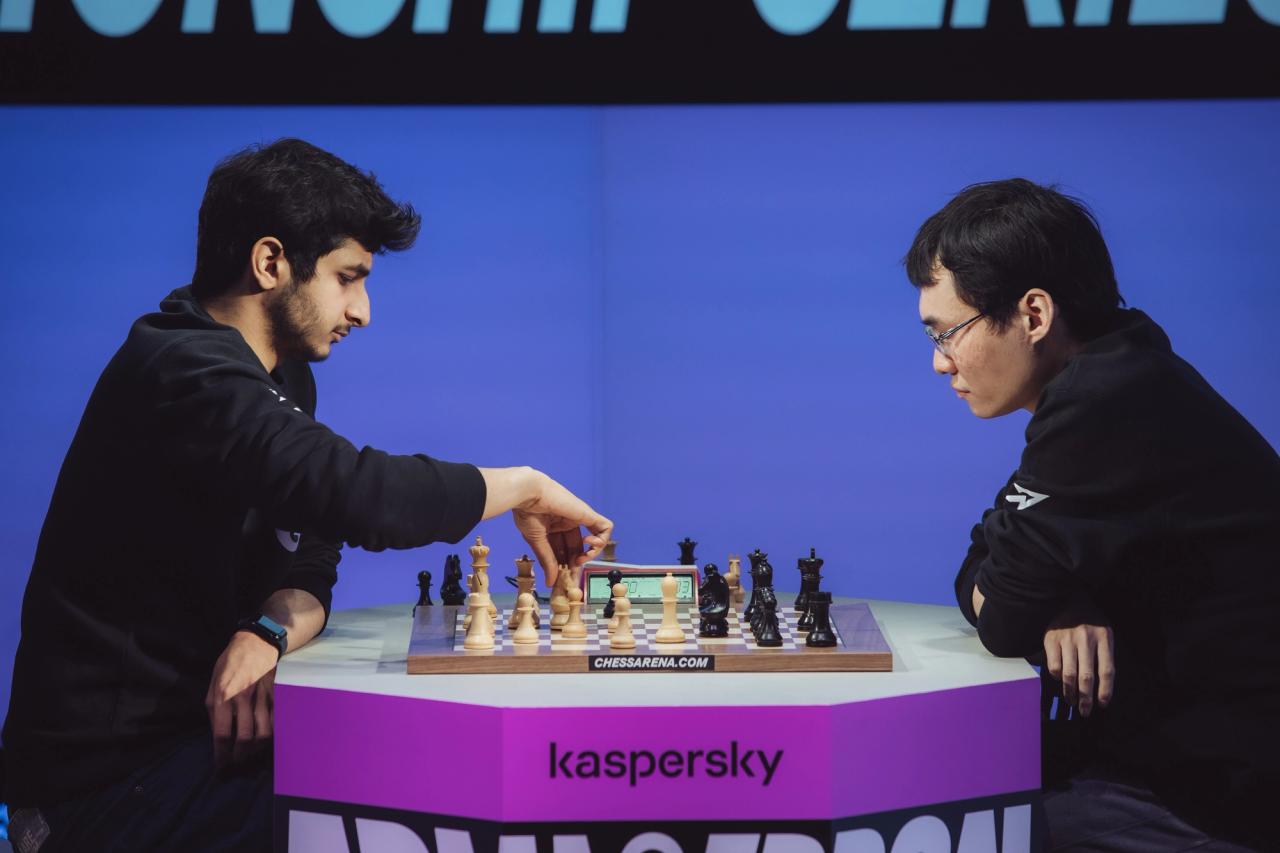
Touch Move Rule in Chess
Anyone who starts playing tournament chess eventually runs into the same warning: “Be careful what you touch.” At first, that sounds overly strict. Casual games between friends usually allow takebacks, adjustments, and accidental touches without much discussion. Tournament chess works differently. Once competition enters the picture, clarity matters. That’s where the chess touch move rule comes in. For experienced players, the rule becomes second nature. For beginners, though, it can feel surprisingly unforgiving the first time it happens over the board. And yes—many players have lost good positions because of one careless hand movement.
What is the Touch Move Rule in Chess
What is the Touch Move Rule in Chess? Can sound basic but if a player deliberately touches a piece while it is their move, they must move it with a legal move.
The same principle applies to captures:
- if you touch an opponent’s piece first, you must capture it if possible
- if the capture is illegal, you are not forced to make it
This is the foundation of the chess touch rule used in official tournament play.
The rule exists partly to remove ambiguity. Without it, players could test moves physically, observe reactions, then change their minds repeatedly.
That would create chaos very quickly.
A simple example:
- A player reaches toward a knight
- The knight has at least one legal move
- The player must now move that knight
Even if another move would have been stronger.
Hence why seasoned players will refrain from touching the board and keep their hands away until they’ve fully decided.
Can You Touch a Chess Piece Without Moving It
In simple, yes sometimes. Tournament chess allows players to adjust pieces that are slightly off-center. But there’s an important condition.
Before touching the piece, the player must clearly say something like:
- “adjust”
- “j’adoube”
That announcement signals that no move is intended.
Without it, the situation becomes much less clear, and disputes can happen easily.
This detail is one reason the chess touch move rule is taken seriously at organized events. Small misunderstandings can completely change a game.
There’s another detail newer players sometimes miss. There can be accidental touching of pieces which does not count in the same context that an intentional touching does. For example if your sleeve brushes a piece while reaching for another piece.
Still, players try to avoid unnecessary contact altogether.
Chess Touch Rule Importance
The section called Chess Touch Rule Importance really comes down to fairness.
Competitive chess depends on precision.
The rule prevents:
- fake move attempts
- psychological tricks
- hesitation after touching pieces
- confusion during tense positions
Without the chess touch rule, tournament games would become harder to regulate consistently.
It also encourages discipline.
Players learn to calculate first and move second.
That habit matters more than many beginners realize.
Strong tournament players often spend extra seconds verifying a move mentally before physically touching the board. Over time, that becomes automatic.
Interestingly, the rule also changes behavior under pressure.
In blitz games especially, players sometimes reach too quickly, touch the wrong piece, and immediately regret it.
That happens more often than people think.
Other Requirements Relate To Touch-Move Rule
The section Other Requirements Relate To Touch-Move Rule covers several connected tournament rules.
One important detail involves castling.
If a player touches the king first:
- they must castle if castling is legal
- or move the king legally if castling is impossible
But if the rook is touched first, castling cannot be claimed automatically.
That distinction catches many inexperienced tournament players off guard.
Another related point involves illegal moves.
If a touched piece has no legal move at all, the player may choose another move freely.
So the chess touch move rule only applies when a legal move actually exists.
There are also differences between casual and official play.
Friendly games may ignore strict enforcement entirely. Rated tournaments usually do not.
That difference alone surprises many online players when they enter over-the-board competition for the first time.
Touch Move Rule and Online Games
The section Touch Move Rule and Online Games gets interesting because online chess handles things differently.
Technically, digital platforms don’t use physical touching, so the traditional chess touch rule changes form.
Instead:
- clicking a piece selects it
- releasing the move confirms it
- premoves may lock actions automatically
Some sites allow move confirmation settings, while others rely on immediate input. This is why sometimes online chess can feel more forgiving and real life. However the spirit of the rules are the same, once you've committed to a move, you commit.
The famous example below shows how devastating touch-move mistakes can become in real competition.
Moments like this are exactly why tournament players become careful about hand movement around the board.
Practical habits players develop
After enough tournament games, most players naturally build routines.
Common habits include:
- sitting on hands while calculating
- pointing mentally before moving
- double-checking captures
- saying “adjust” immediately when fixing pieces
None of these are official requirements, but they reduce mistakes significantly.
Conclusion
This is a simple rule to keep chess tournaments clean and fair. While it may feel strict, the majority of players appreciate the rule over time.
It removes uncertainty and forces decisions to happen before pieces are touched. For players that are beginning the hardest adjustment is psychological. The difference between casual chess and tournaments is experimentation versus precision.
And once you mistakenly touched the wrong piece in a game that matters, you rarely make the same mistake again.
See Also
Read more: Arbiter in Chess, Chess Blunder, and King in Chess.