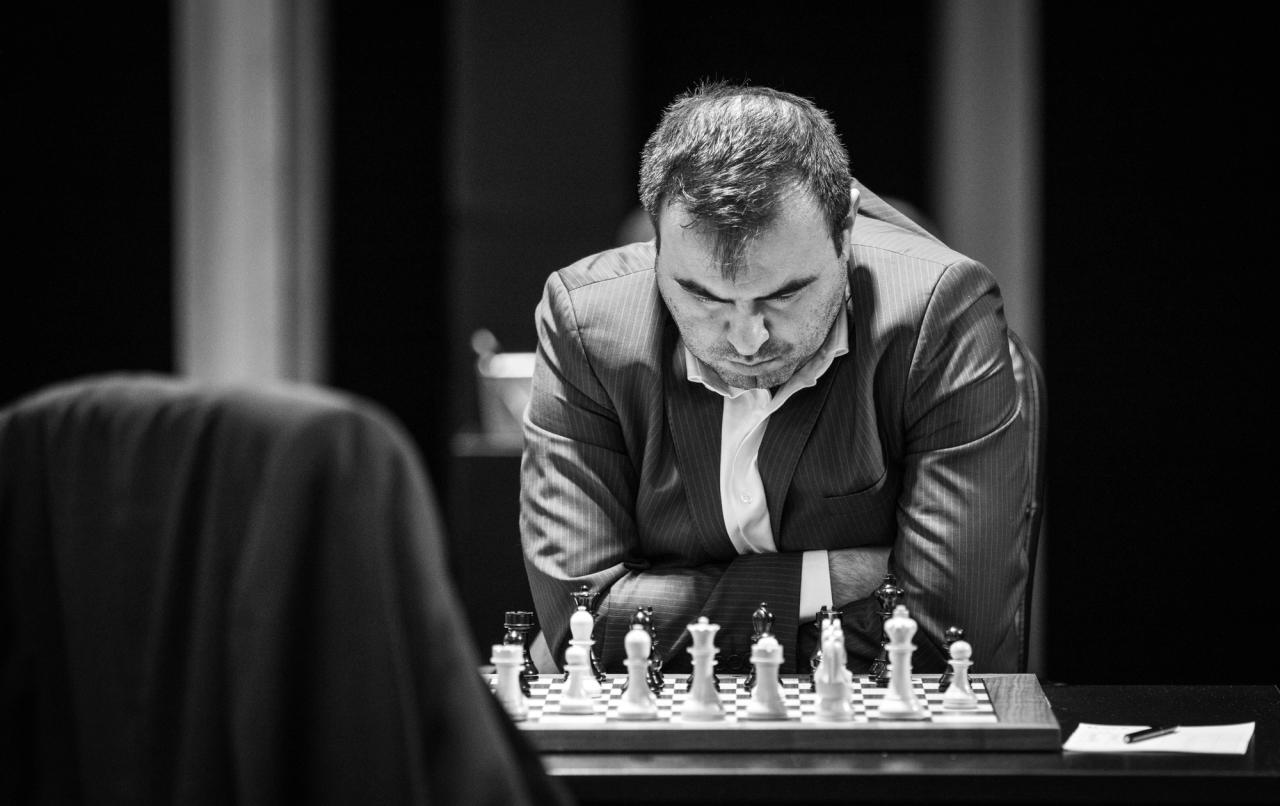
Freestyle Chess Variant
Some chess players enjoy opening theory. Others get tired of seeing the same positions repeated every week. A player studies one defense carefully, prepares lines for hours, sits down for a game — and suddenly reaches a position they have already played ten times before. For some people that feels comfortable. For others, it feels stale. Freestyle chess appeared partly because of that frustration. The pieces don't start on the squares they are usually on. Rooks, bishops, knights, queen, and king are shuffled across the back rank. With both white and black set ups being mirrored. The board still looks like chess, although only barely at first glance.
What is FreeStyle Chess?
Freestyle is a variant of chess focused around the starting positions being randomized. The pawns are unchanged but all other pieces start each game in a different position.
Several conditions still apply:
- bishops must start on opposite colors
- the king remains somewhere between both rooks
- castling is still possible
The game follows standard chess rules after the pieces are placed.
However, even that small change creates very different games. Familiar opening systems disappear almost immediately. Players cannot depend entirely on memory because standard theory no longer fits naturally.
A player who relies on the same opening suddenly needs to change their approach. The unpredictability of the format is a key reason why this style of chess keeps growing in popularity.
Benefits Of Playing Freestyle Chess
Many players discover freestyle chess after becoming exhausted with memorization.
Traditional tournament preparation sometimes feels endless. A single variation can stretch twenty moves deep before original play even begins. Freestyle formats interrupt that pattern completely.
Games often become creative much earlier.
Several advantages appear repeatedly:
- unusual middlegames happen naturally
- preparation matters less
- players rely more on understanding than memory
- positions feel fresh more often
Another interesting effect is psychological.
Some players become more relaxed because they know opponents are equally unfamiliar with the starting structure. Others enjoy the simple fact that strange positions force both sides to think independently from the beginning.
Even basic development changes sometimes.
A rook may start beside the king. Knights occasionally begin trapped near corners. Bishops can point toward unexpected diagonals before the first move has even happened.
That confusion disappears after a few games, but the unpredictability never fully goes away.
Who plays Freestyle Chess
Freestyle chess is no longer only a casual internet experiment.
Top players have participated in freestyle events as well, especially in rapid and blitz tournaments. Magnus Carlsen is a big supporter of chess formats that favour practical decision-making over memorization of chess tactics. Hikaru Nakamura has also publicly played online freestyle chess. Fast time controls tend to make the games even sharper because unusual positions appear instantly.
Viewers often enjoy watching these events because games rarely resemble one another for very long.
Preparation becomes less predictable. Mistakes happen earlier. Original ideas appear constantly.
What to read next
Conclusion
Freestyle chess keeps the core structure of classic chess but takes away the starting position eliminating predictability.
This can vary players' reactions from chaotic to exciting. But no matter what your reaction to freestyle is, freestyle makes players adapt to unusual situations instead of repeating memorized patterns, this alone changes the game hugely.
See Also
Read more: Chess 960, Chess Variants, and Classical Chess.