Hanging Pieces
Leaving pieces undefended is a quick and easy way to lose the game. No matter what level you are at, from grandmaster to beginner, the frustration of losing a valuable piece by accident is like no other. This is commonly referred to as leaving a hanging piece. While it could be considered as an oversight, being able to spot hanging pieces is an important chess skill. Understanding how to avoid blunders like these helps to improve play overall.
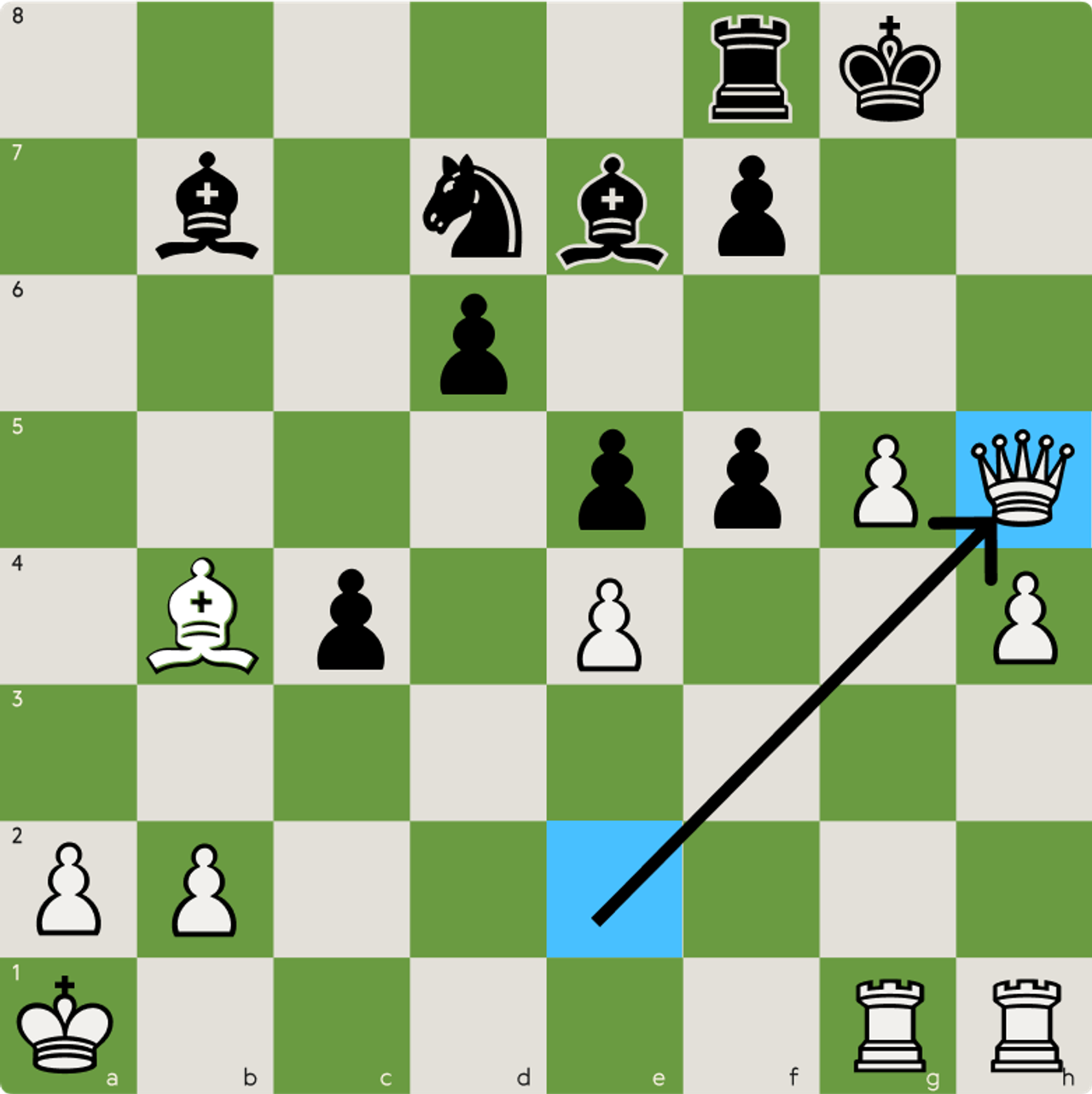
What Is a Hanging Piece In Chess?
This is when a piece is attacked when it is undefended or protected by another piece. If the opponent is successful in capturing the piece the material is lost without receiving compensation.
For example, imagine a bishop standing on an active square. It attacks important targets and seems well placed. However, if the other player’s knight attacks the bishop with ally pieces to defend it, the bishop becomes a hanging piece.
Examples:
- A queen left undefended after an attack.
- A rook placed on an open file without support.
- A bishop forgotten during a tactical sequence.
- A knight advanced deep into enemy territory without an ally.
A strong chess player will constantly keep track of hanging pieces as they are easy material opportunities.
Strong players constantly scan the board for chess hanging pieces because they often provide easy opportunities to win material.
Recognizing Hanging Pieces
Firstly, avoiding mistakes is learning how to identify them. For many, they focus completely on their own plans and forget about their opponent’s. This results in hanging pieces that can be unnoticed for several moves.
A useful habit is to ask yourself these questions after every move:
- Which of my pieces are under attack?
- Are all of my attacked pieces defended?
- Has my opponent created a new threat?
- Did a recent exchange remove a defender?
One reason chess hanging pieces occur so often is that players become focused on an attack and forget about piece safety.
Consider a situation where several pieces are exchanged in the center. A rook that was previously protected may suddenly lose its defender. If the player fails to notice this change, the rook may become a hanging piece on the next move.
How Do You Avoid Hanging a Piece?
Stopping blunders is more than just recovering from them. Many strong players develop a system or routine to monitor the safety of your pieces before committing to a move.
Useful habits include:
- Review all attacked pieces before ending your turn.
- Look for pieces that have lost defenders.
- Avoid moving too quickly in tactical positions.
- Double-check queen and rook placement.
- Calculate your opponent's most forcing moves.
Another helpful technique is performing a brief "blunder check." Before moving, ask:
"If I make this move, what can my opponent capture?"
This simple question prevents countless mistakes.
Players should also remember that chess hanging pieces are not limited to beginners. Complex positions can cause even experienced competitors to overlook an undefended piece.
In faster formats such as blitz and bullet, a single hanging piece often decides the game immediately.
For related tactical concepts, readers may also explore:
- Fork in Chess
- Double Attack
Conclusion
A hanging piece is an extremely common mistake for players. However leaving a piece hanging can very quickly turn your game from winning to losing. But this is very fixable! By developing systems or habits of monitoring your board before every move can dramatically reduce the amount this occurs.
The ability to spot chess hanging pieces works both ways. You can insure your material is protected while also reaping the benefits of noticing when your opponent isn't being as careful. Over time, this will become more natural and will strengthen your game play hugely.
It helps you protect your own material while also taking advantage of opportunities created by your opponent. Over time, this awareness becomes a natural part of stronger and more accurate chess play.
See Also
Read more: Tactics in Chess, Chess Blunder, and Strategy in Chess.