Major Pieces In Chess
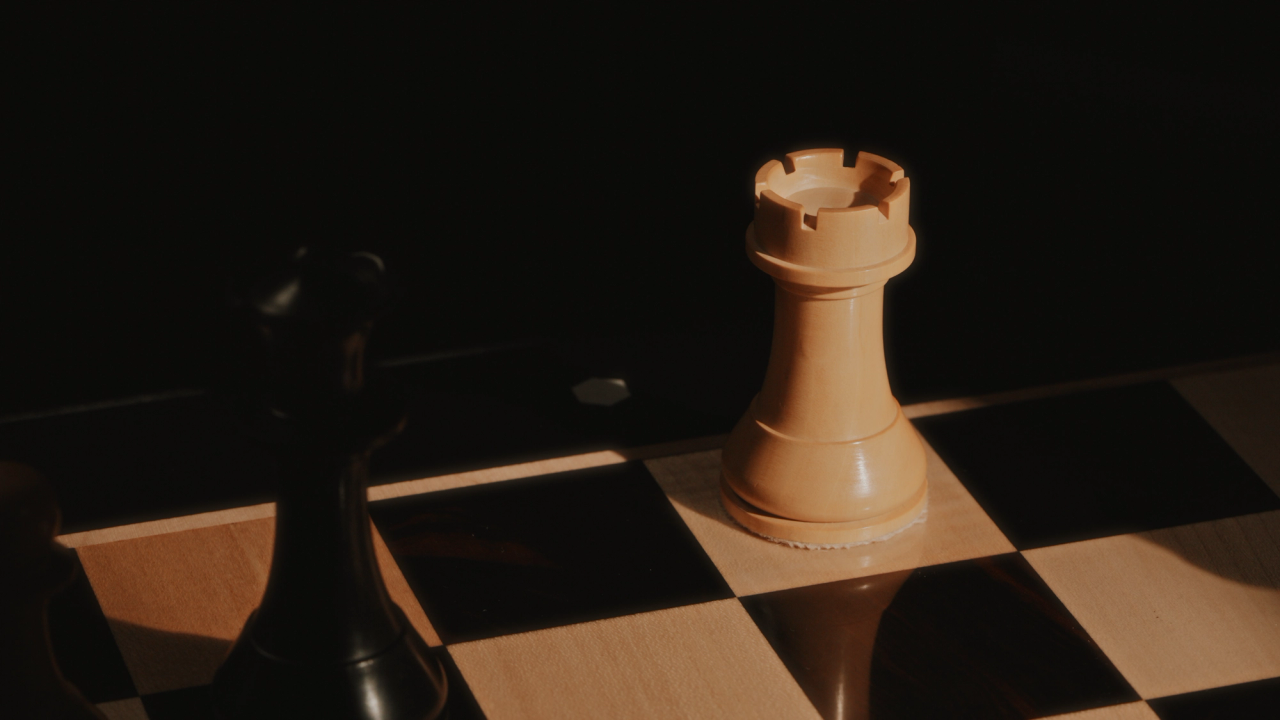
When watching chess media it may be common to hear, "I traded my queen for two pieces." or "I'm up a rook." Comments like these showcase the feature that there is a hierarchy to the weight of pieces in chess. Among these hierarchy of pieces at the top of the board is the queen and rook, they make up the major pieces. It can be a semi unknown concept for the majority of new players. They are aware that a queen is an incredibly strong piece and a rook can be dangerous on an open file, however the concept of grouping them is more of an advanced concept. But when you apply these concepts to strategy there is a clearer difference.
What Are The Major Pieces In Chess?
Straightforwardly the answer is the queen and rooks are both major pieces. The game begins with one queen and two rooks on each side. Giving both players three Chess Major pieces.
The grouping is not based solely on their value but because they are able to influence large areas of the board while keeping their distance. Other pieces with the same to move power are not viewed as major pieces as they cannot have the same control. A bishop or a king are strong pieces but they don't have the range a rook or queen have. This long range ability separate them from minor and major.
Major Piece Chess Importance
This concept can be easily understood when the files begin to open up. A rook located behind a pawn is far less threatening, however a rook on an open file is a different story. The queen works in a similar way. Given enough room, she can create threats against multiple targets at the same time.
Strong players spend a lot of effort improving the placement of their major pieces because active pieces tend to create opportunities.
Some common roles of Chess Major pieces include:
- Attacking exposed kings
- Controlling open files
- Supporting passed pawns
- Defending important squares
- Delivering checkmate patterns
There has been numerous attacking games won due to the successful players utilizing their queen and rook while the other player did not. When studying grandmaster games, there are many instances where the turning point is when the rook enters the opponents position. When that has been achieved it can be very difficult for the players to regain control.
For related concepts, see:
Conclusion
The major pieces may appear very different but in fact they are categorized together due to their shared threat level.
Understanding how these pieces work is about more than memorizing their value. It is about recognizing when they should become active and how they can work together. Many games are decided by the side that coordinates its major pieces first.
The next time you analyse one of your games, pay attention to your rooks and queen. You may discover that the result had less to do with a tactical mistake and more to do with which player used their major pieces more effectively.