'Stopping Wasn't An Option': Hastings Begins For The 99th Time. It Needs A Lift To Make 100
The original "Wimbledon of Chess" is approaching a milestone—but is desperately in need of new sponsors.
While the FIDE World Rapid and Blitz is set to kick off in Doha this week, another somewhat quieter event will be taking place over in England.
This year, the Hastings International Chess Congress may not have the big names and bumper prize pot the World Rapid and Blitz boasts, but it offers something else: it speaks to the very soul of chess.
Here is the original post-Christmas blowout tournament. First held in 1895, Hastings, which styles itself the world’s oldest chess tournament, is now on its 99th edition.
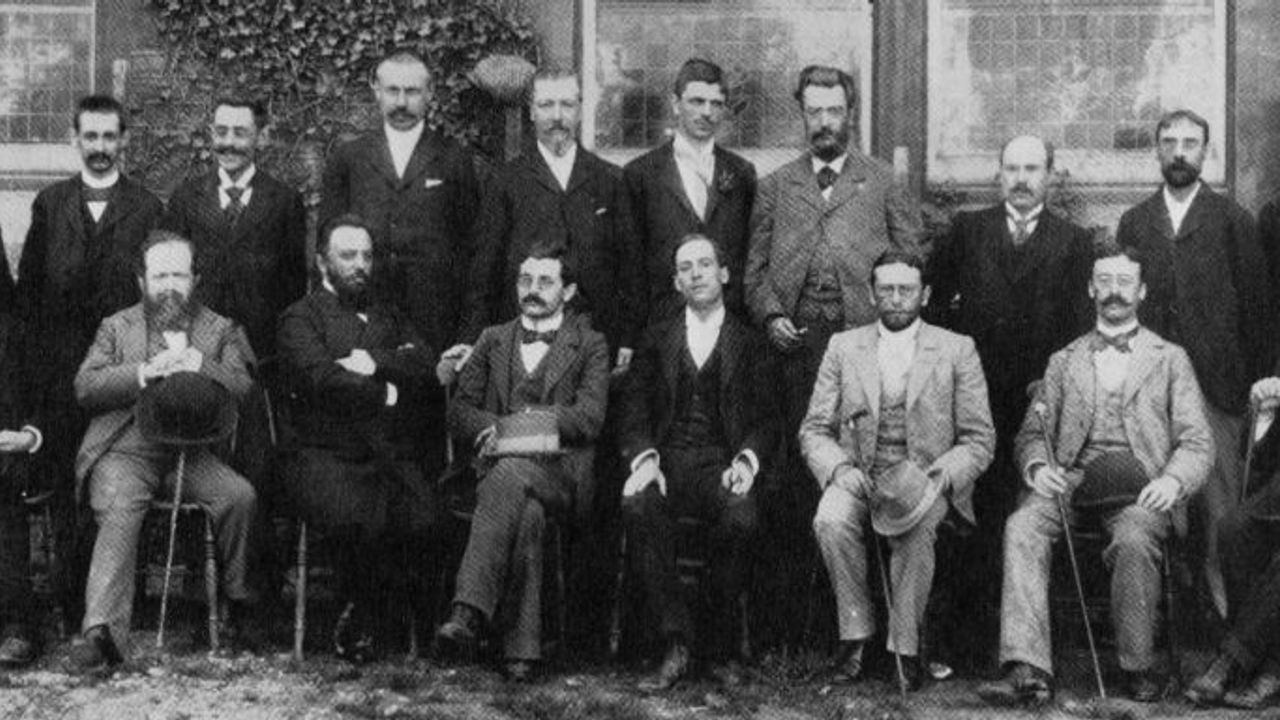
That 1895 event is written into chess folklore. Considered one of history's greatest, it featured top players like Emanuel Lasker, William Steinitz, Mikhail Chigorin, and the surprise winner Harry N. Pillsbury.
The 1895 tournament also launched the sleepy seaside town of Hastings, on England's south coast, into a premier chess venue that attracted world champions for decades.
It was the original "Wimbledon of Chess," being a short hop on the train from Wimbledon itself. That mantle has now been claimed by Wijk ann Zee's Tata Steel Chess Tournament—which also takes place at a seaside resort.
1967 Hastings chess tournament Botvinnik, Uhlmann, Hartston, Mecking pic.twitter.com/WzSgcVuVaa
— Shadowfighter23 (@Shadowfigh23) June 21, 2025
In its heyday, Hastings was an invitational 10-player all-play-all which attracted the world's uber elite. Nearly every name you can pluck from chess history played there.
Among its winners were José Raúl Capablanca, Alexander Alekhine, Max Euwe, Mikhail Botvinnik, Vasily Smyslov, Mikhail Tal and Anatoly Karpov to name but a few.
GM Judit Polgar also shared first in 1993 with GM Evgeny Bareev, a result which solidified her claim to be in the world's elite. It was a The Queen's Gambit moment, but real, not just a Netflix show.
Hastings in England is special for me. On this day in 1993, I won the prestigious Hastings Tournament, tied with Evgeny Bareev (see the pic).🏆
— Judit Polgar (@GMJuditPolgar) January 13, 2025
Four years earlier, I had won the Hastings Challengers ahead of Matthew Sadler - it was a tournament bond with a life lesson. As one of… pic.twitter.com/F6kf3rNbiI
English greats like the wartime codebreakers Hugh Alexander and Harry Golombek, plus former world title challenger GM Nigel Short also appear on its list of winners.
However, Hastings, the grand old chess tournament, is limping towards its century, not powering.
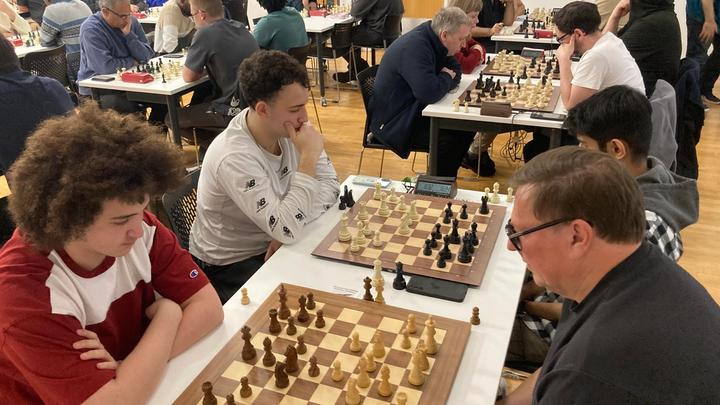
Hastings is a tournament now run on a shoe-string. It is no longer an invitational, its main event is a nine-round Swiss. No disrespect to the line-up this year, but it doesn’t compare to the past.
England's youngest-ever GM Shreyas Royal is perhaps the most exciting name to follow, and would make a worthy winner. But the number of grandmasters has dwindled. Hastings, set in one of England's traditional holiday hotspots, is not able to offer the level of conditions or prize money it once did.
Only 76 years separate these two participants! #chess #Hastings #Korea pic.twitter.com/67yxi8G2uC
— Hastings International Chess Congress (@HIChCongress) January 3, 2025
Last year, the Open was won by a 16-year-old untitled player from China, Haowen Xue, who triumphed with an undefeated 7 points. In doing so, Xue secured his third GM norm and became a grandmaster. He is now rated 2553.
For several years, Hastings enjoyed support from technology firm Caplin Systems and Hastings Borough Council. But that funding has now dried up. The tournament exists without a major sponsor.
The event is now tirelessly run by GM Stuart Conquest, a joint-winner in 1996 and 2001. Conquest is passionate about Hastings and doing everything he can to keep it afloat, but needs financial muscle.
Conquest told World Chess: "In sheer numbers of entries we are not doing badly, the Masters (which is a true Open, with no rating floor) has around 105 players, with a few latecomers perhaps still to confirm. The other events are fairly well subscribed too, you can see current entries to all tournaments on the Congress website.
"It's maybe not a question so much of needing 'help' - and it's too late now for this year. But it's surprising how hard it seems to be to attract a serious sponsor.
"Obviously stopping at 98 wasn't an option, so here we are at the 99th. For next year's 100th edition we ought to be able to plan something a bit special."
Hastings is no longer an invitational the world's elite are desperate to play. Right now, most are in Doha. But it remains a cherished fixture in the chess world. Don't let it die before it reaches one hundred.