German Chess At War: DSB Dispute Escalates After Congress Request Rejected
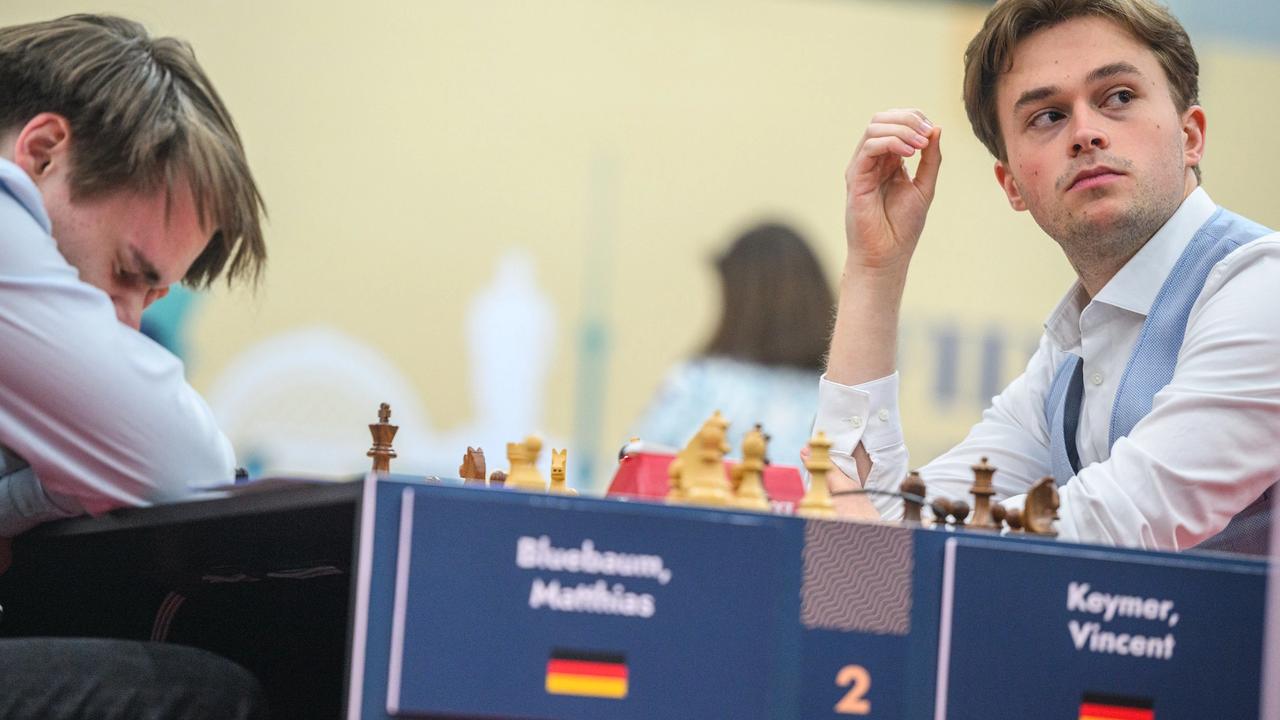
While the likes of Keymer and Bluebaum blaze a trail on the international stage, all is not well in Germany's domestic game. Why do chess administrators just love to fight?
Over at the DSB, the German Chess Federation, the burghers running the show are advertising for a new post: a full-time Head of Press and Public Relations.
Whoever the DSB employs to take up the job at its office in Berlin's Olympic Park needs to be good, very good. Because he or she will have a hell of a job on their hands.
That's because in recent years, the DSB has been in a state of near-constant tension over a series of internal disputes—and none of it looks good from a PR perspective.
Outside Germany this may not be so obvious. Over the board, the DSB has had reasons to celebrate the stunning success of German chess, particularly over the last 12 months.
GM Vincent Keymer started delivering on his undoubted talent with a string of results that took him to world number-four, making the 21-year-old the world's second highest-ranked European after you-know-who from Norway.
Better still, in September GM Matthias Bluebaum secured a wholly unexpected spot in the 2026 FIDE Candidates tournament, starting later this month, after an impressive second-place finish at the Grand Swiss. He now has a shot at making the world title match last this year.
Germany On The Up?
Germany, the land of Lasker, has also just had the honour of hosting a world title event on home soil, the inaugural Freestyle Chess World Championship at Weissenhaus on the country's northern coast.
And as for that dispute? It had appeared last year that a truce had been declared and the DSB—with more than 97,000 members one of the largest chess federations in the world—was over the worst of its troubles.
But, according to the latest rumblings from Berlin, reported by André Schulz for the German-language Chessbase, that is a mere illusion: behind the scenes all is not well in one of the traditional powerhouses of the game.
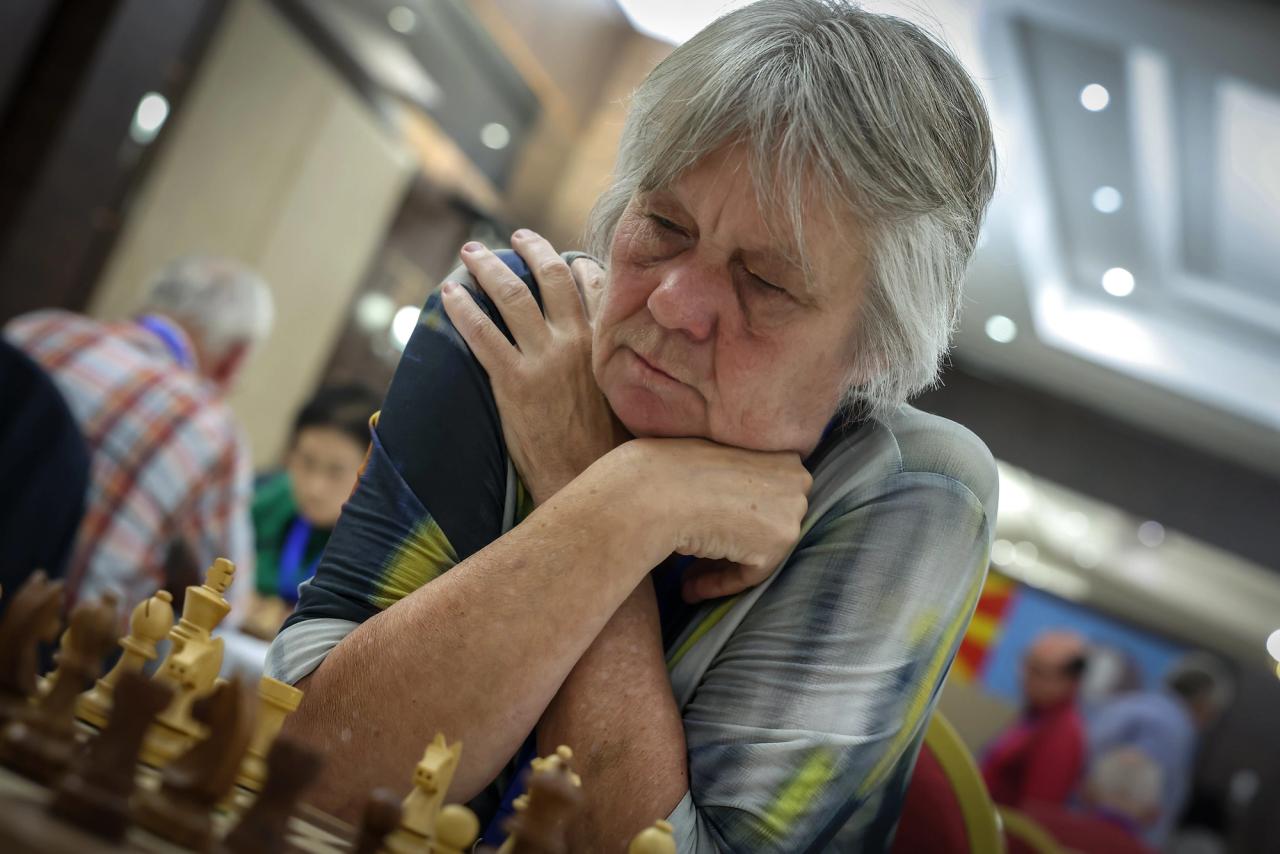
The latest chapter in what has become an ongoing and increasingly bitter dispute revolves around DSB president WIM Ingrid Lauterbach. For months, five regional associations have been trying to oust her.
Lauterbach, a former England international, was elected president of the DSB in 2023, becoming the first woman to hold the position in the organisation’s 146-year history.
Yet her reign hasn't gone well. Under severe pressure to step down, Lauterbach eventually agreed, subject to process at a full federation congress.
Now a request from several regional associations to hold an extraordinary congress as soon as possible has now been formally rejected by the federation’s leadership—meaning the disagreement looks far from over.
The timing of that congress—with the five member associations pushing for it to happen as soon as possible—has proved a major sticking point.
The federation’s leadership has sparked major anger by rejecting the latest request to hold an extraordinary congress in May. Lauterbach is clinging on, for now and won't let go until August.
The background to the conflict goes back several months. Lauterbach was re-elected president of the DSB in June 2025 after a tight and contested vote, with critics already questioning her leadership style and communication with regional federations.
116:103 Stimmen.
— Perlen vom Bodensee (@Bodenseeperlen) May 31, 2025
Ingrid Lauterbach bleibt DSB-Präsidentin.
Glückwunsch! pic.twitter.com/ufy6kenQDS
Tensions only increased later in the year amid debates over personnel decisions—including the dismissal of long-time managing director Anja Gering—and disagreements within the federation’s leadership.
By autumn, the five rebel associations—Baden, Berlin, Hamburg, Schleswig-Holstein and the German Correspondence Chess Federation—had already called for a vote of no confidence and demanded an extraordinary congress to elect a new presidium.
Eventually, a compromise was reached: Lauterbach agreed she would step down later, with elections planned for a special congress in August 2026.
Ingrid Lauterbach hört auf, aber nicht so bald. Das wäre zu einfach. Selbst wenn wir den Wortquark in der „Berliner Erklärung“ ausblenden: Orientierung gibt dieses Papier nicht, stattdessen bis zu neun Monate lahme Ente. https://t.co/tl5UhrfIwV
— Perlen vom Bodensee (@Bodenseeperlen) November 29, 2025
The situation escalated again in February when finance vice-president Alexander von Gleich announced his resignation, citing disagreements within the presidium about financial planning and internal communication.
Following that development, the rebels submitted a new request. Their idea: convert the already-scheduled DSB meeting on May 16 into a full extraordinary congress.
The argument was largely financial. Holding a regular committee meeting in May and then a congress only a few months later would mean two major events in quick succession—something the federations said was unnecessarily costly and inefficient.
Going To Court
Lauterbach referred the request to the federation’s legal adviser, Thomas Strobl, who concluded that the proposal was not admissible.
According to his interpretation of the statutes, member federations may demand that a congress be convened—but they cannot specify the exact date, as the authority to set the time and place belongs to the president.
A second argument was procedural: the statutes only allow such a demand if no congress is already scheduled within the next six months. Since the federation had already planned a congress for August 2026, Strobl concluded that the request could not be accepted.
As a result, the May 16 meeting in Frankfurt will remain a regular committee session. The extraordinary congress is now scheduled for August 8, 2026.
But that's too long for the federations that submitted the request and they are not convinced by the legal reasoning. They argue they did not insist on a specific date and that the previously announced August congress was only a political declaration rather than a formally scheduled event.
They have indicated they will take the dispute to the federation's arbitration court.
So here, along with the case involving FIDE being taken to the Court of Arbitration of Sport, is yet another chess dispute that looks like it will be settled by lawyers.
Chess federations, huh. No-one quite does internal wrangling like a chess federation.