Women Are Gaining Ground In Chess—But The Game Is Still Vastly Male-Dominated
At first glance, a new FIDE report is great headline news for the chess world. But don't for one minute think the gender gap in the game has gone.
At World Chess we don't think it's too much of a value judgement to say the level of female participation in the game is shameful and that progress here needs to be made. It's obvious, we argue, and undeniable.
Thankfully, FIDE, the world governing body of chess, appears to think so too. Or at least it's making the right noises.
On Sunday, to mark International Women's Day, FIDE claimed to have some rare good news for gender equality campaigners in the chess world: the federation's Women in Chess Commission (WOM) said progress is happening—and for once, the numbers back it up.
Can this be true?
According to a new global study published from research compiled by FIDE and The University of Queensland, it is. Researchers claim that women's participation in chess is rising across every region of the world.
The report, called the Gender Equality in Chess Index (GECI), ranks 119 national federations based on female participation, performance, and representation in youth events.
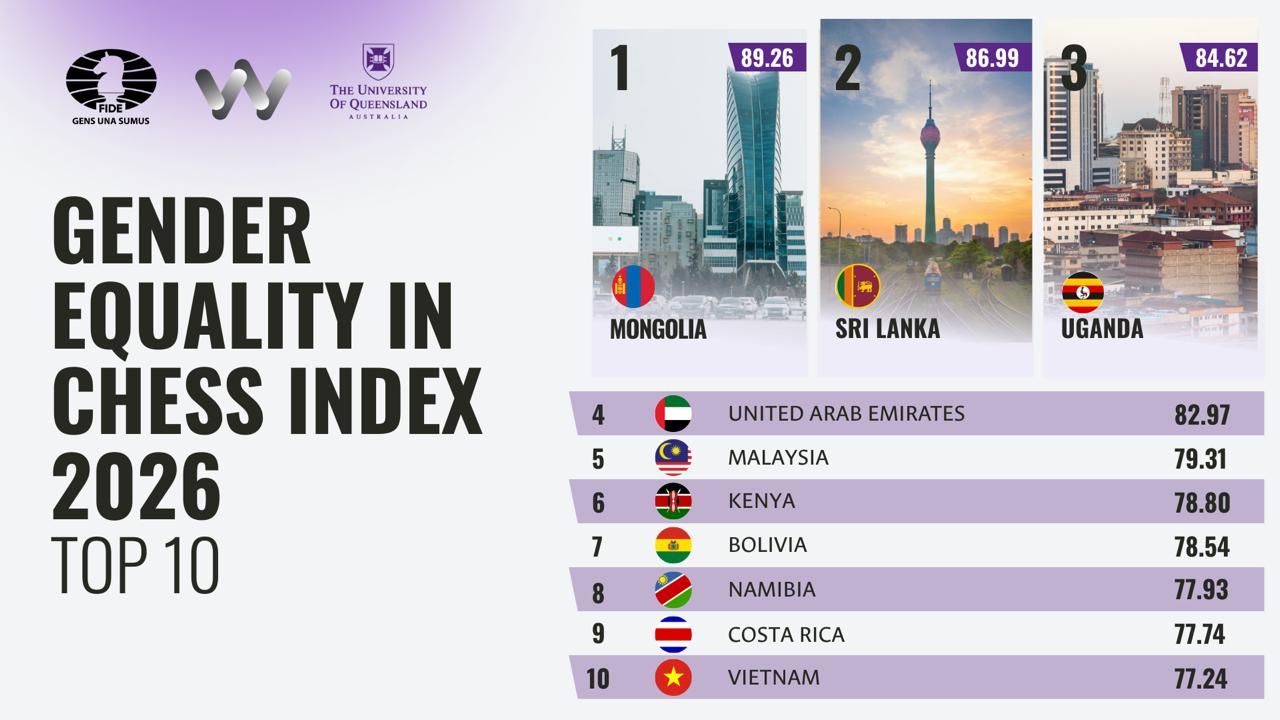
The headline finding: every region improved compared with the index’s first edition in 2023, suggesting that women and girls are gradually gaining ground in a sport that has long been overwhelmingly male.
And that background matters.
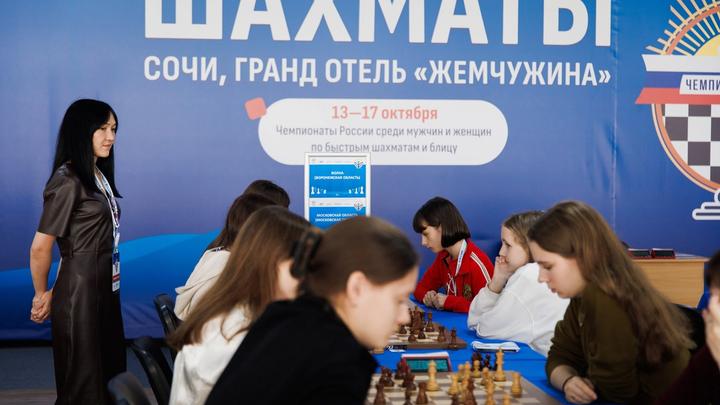
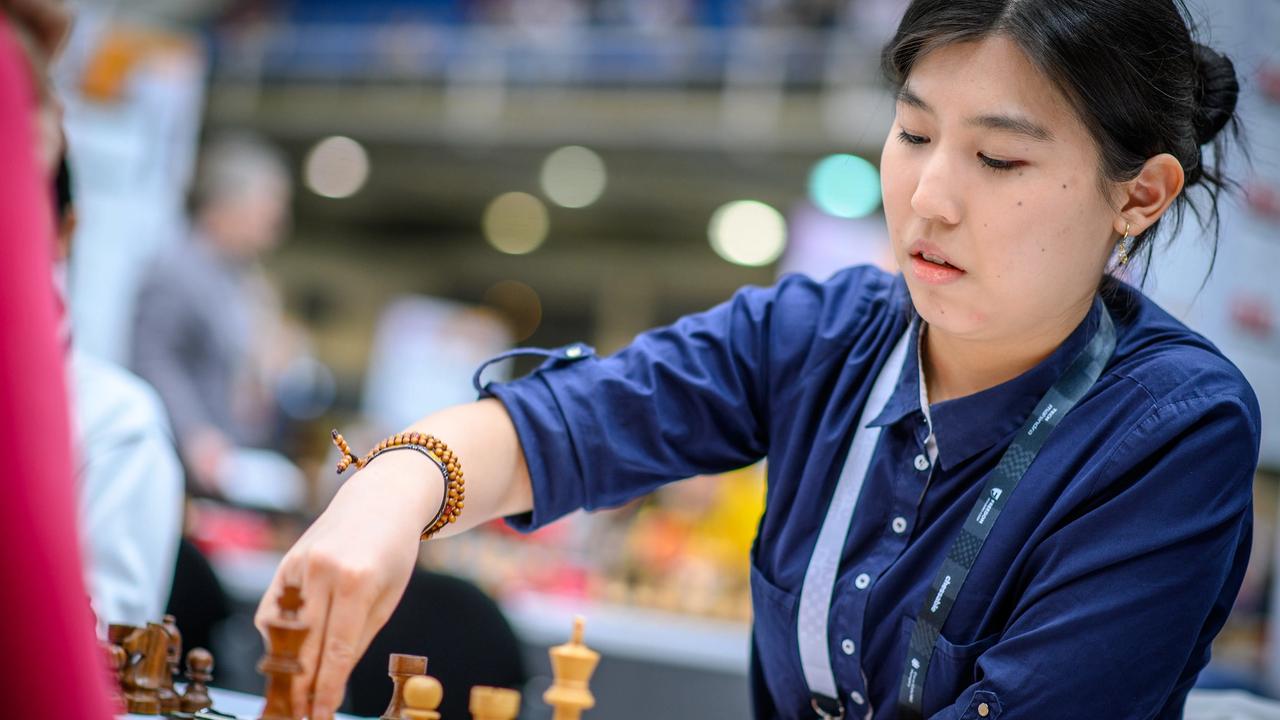
For decades, chess has had one of the starkest gender gaps in sport. Globally, only about 11 per cent of players with an official FIDE rating are women.
In some federations the share is even lower, and the imbalance widens with age as girls drop out of the competitive pipeline.
The 5 youngest girls in the Women’s Top 100! ♟️
— International Chess Federation (@FIDE_chess) March 8, 2026
14-year-old Oshini Devindya Gunawardhana 🇱🇰 has entered the World Top 100 Women Players list this month.
She is currently the youngest player on the list and also the first female player from Sri Lanka to reach this level in the… pic.twitter.com/dUGORUH1qN
The gap becomes even more striking at the very top of the game.
Only around 42 women in history have earned the full Grandmaster (GM) title, compared with more than 1,600 male grandmasters worldwide.
Globally, only about 11 per cent of players with a FIDE rating are women, and the imbalance grows sharper at the very top of the game. A mere two per cent, roughly, of grandmasters are women and just one woman—the legendary GM Judit Polgar—has ever broken into the world’s top 10 ranking.
On this International Women’s Day, we celebrate the incredible contributions of our women who help shape Russian Chess School every day. In a male-dominated industry, we’ve built a top-notch product together, and this is just the beginning! pic.twitter.com/BGwsAa3yaI
— Dina Belenkaya (@DinaBelenkaya) March 8, 2026
The participation gap helps explain that disparity. When women make up roughly one in ten competitive players, far fewer get anywhere near the world's elite.
There are many more causes to examine, of course. Only last week two-time U.S. women’s champion IM Jennifer Shahade argued that the barriers go far beyond ability.
In an interview with The Guardian to promote her new book, Shahade warned of a "long and embedded history of abuse in chess" and described how sexism and misconduct have discouraged many women from staying in the game.
But the new gender-equality index does not address Shahade's concerns, it can still be a useful tool. The GECI essentially acts as a report card for national chess bodies, combining three measures into a score out of 100: how many women play, how strong their results are compared with men, and how many girls appear in youth championships.
Australian GM David Smerdon, the report’s lead author, says the idea behind the index is simple.
"You can’t improve what you don't measure," he said, adding that federations are already using the data to identify gaps and take action.
Some countries are already showing what progress can look like.
Mongolia tops the rankings, where nearly 40 per cent of active players are women—far above the global average of about 16 per cent. Close behind are Sri Lanka and Uganda, both of which have built strong youth pipelines for girls.
The biggest climber in the new report is the United Arab Emirates, which surged more than 70 places in the rankings after introducing policies that require girls to be included in national youth teams.
But is the UAE a better place for women to play chess than, say, Sweden which was ranked 119th and last on the list?
One caveat here is, as the report states: "Critically, the UAE introduced mandatory inclusion of girls in all youth championship delegations, likely contributing to the country’s threefold increase in the Progress indicator."
China also sits in 16th place, a new entry having been left out of the first report due to insufficient data. All chess fans will know China leads the way in the elite women's rankings. In FIDE's latest ratings list, five of the top six women in the world are from China.
While the index clearly has problems, researchers say it may be part of the solution. By measuring participation, performance and youth development side by side, federations can see exactly where they lag—and where policies might help.
So while FIDE's report is great headline news for the chess world don't for one minute think the gender gap in the game isn’t gone.
But, as Smerdon says, data is useful and the latest stats suggest the pieces may finally be starting to shift in women's chess.