10 objects only chess players understand
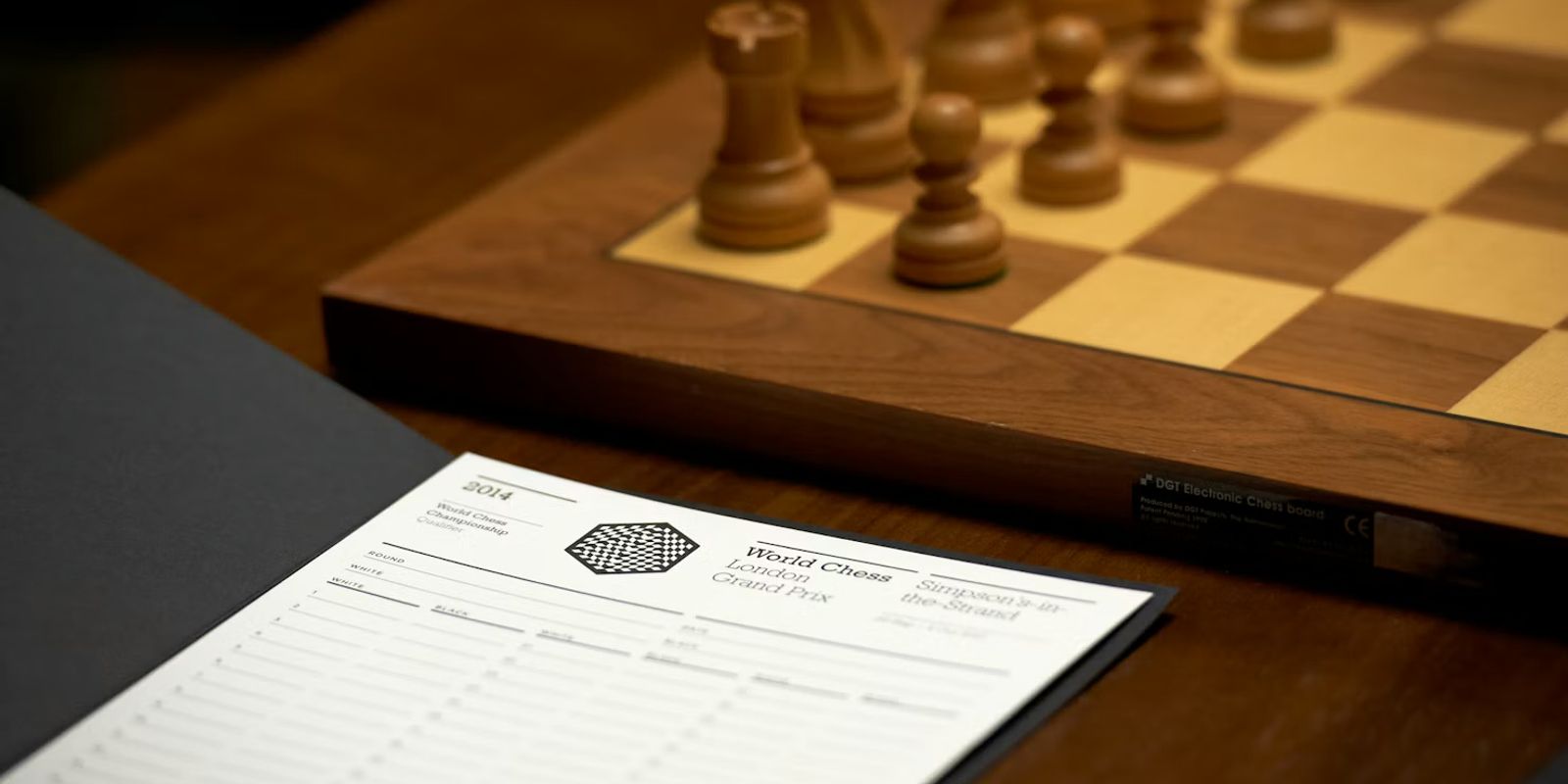
The clock that clacks, the queen you keep in your pocket, the Yugoslav book with no words. A field guide to the stuff in every chess player's bag.
The analog chess clock
Digital clocks are more accurate, fairer, and they add seconds per move. Nobody has ever loved one. The analog clock has a tiny red flag that rises with the minute hand and drops at exactly the moment your position was finally getting good.
Its real function is acoustic. A firm press of the button is the only socially acceptable way to tell your opponent what you think of their last move.
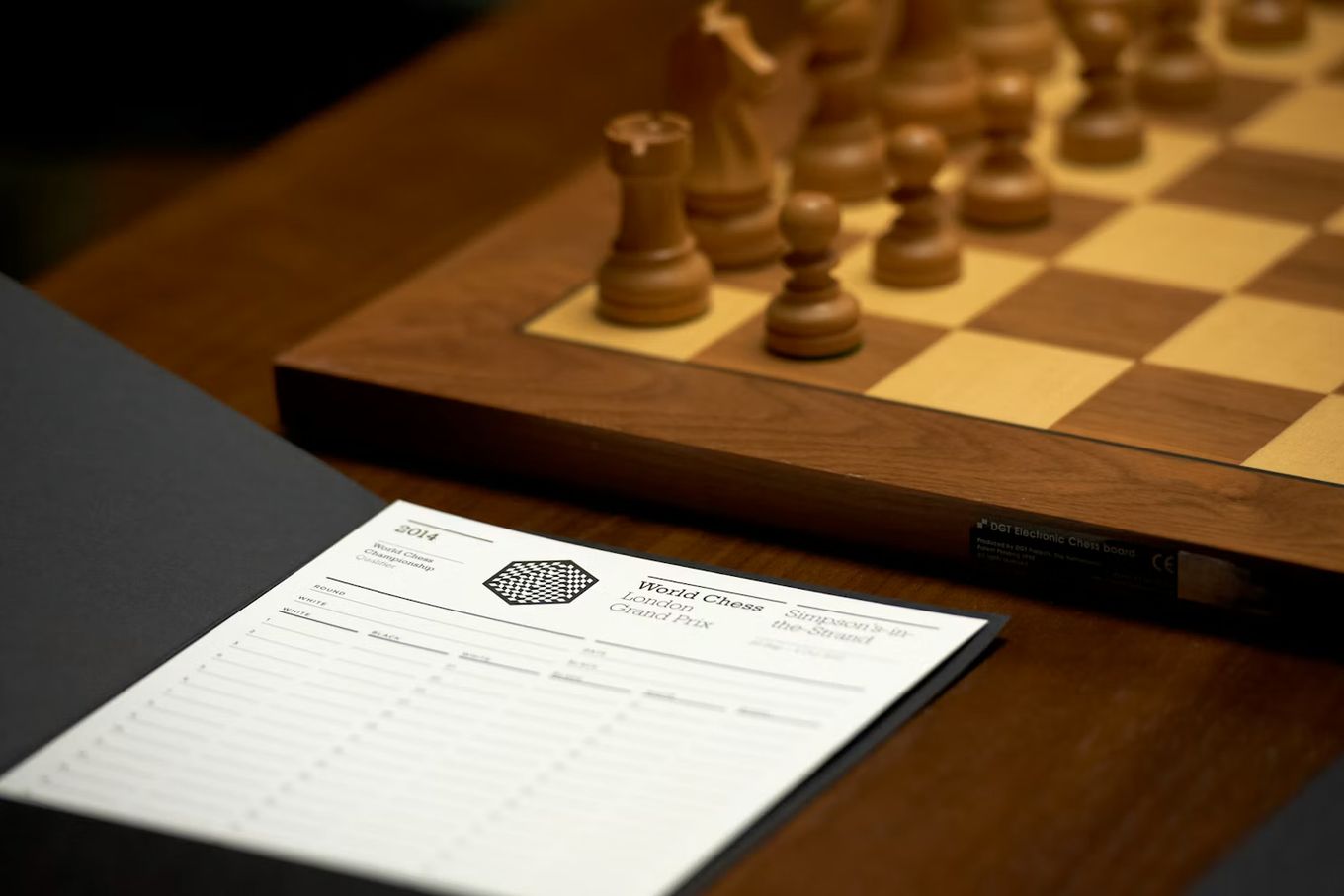
The scoresheet and the pencil
Under FIDE rules you must write down every move of a classical game, by hand, as you play it. It is the last place in modern life where a grown adult is required to use a pencil.
The scoresheet is also a diary: a coffee ring around move 20, a question mark drawn and rubbed out, a signature that gets angrier after a loss. Players keep them for decades. Nobody keeps a PGN file for sentimental reasons.
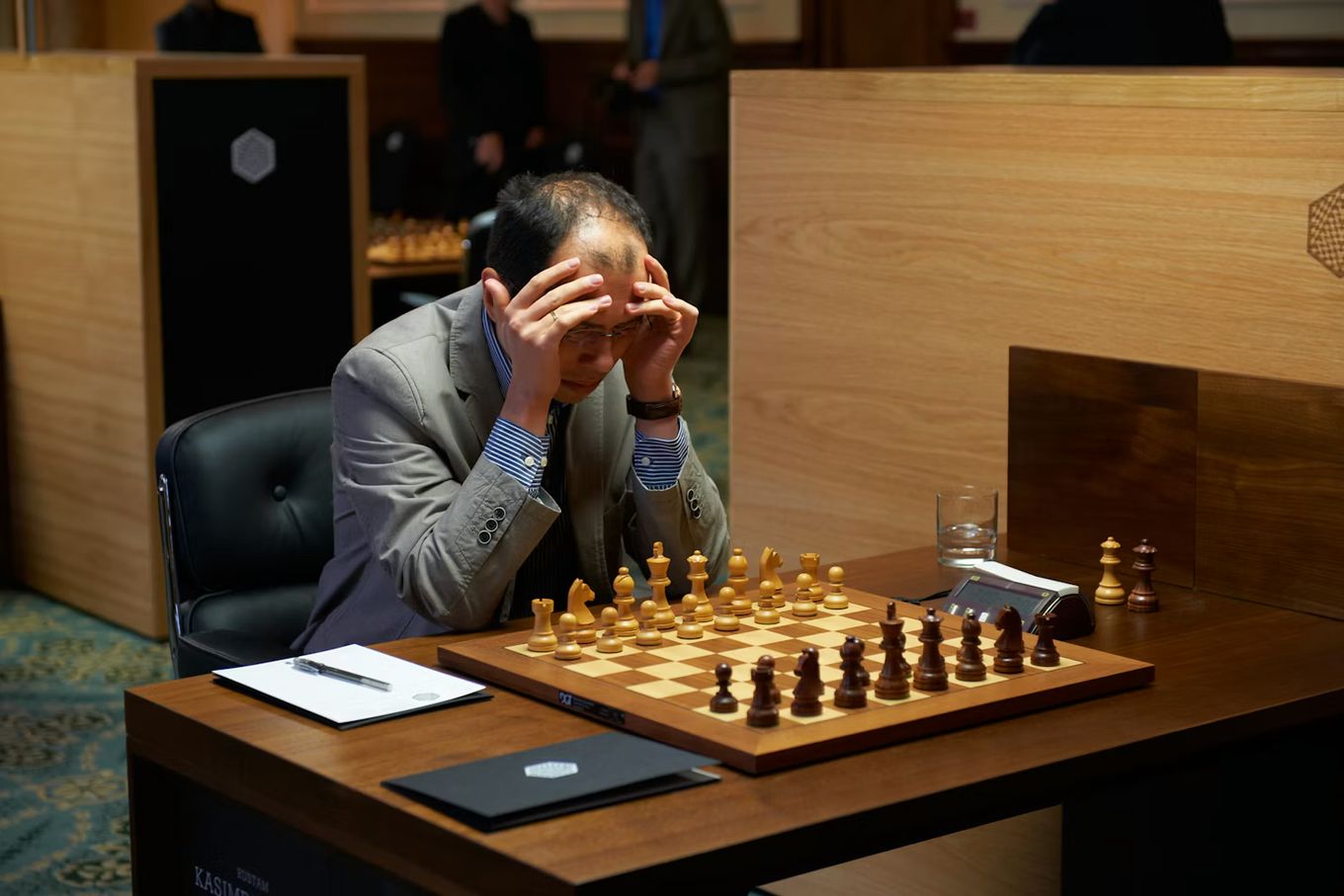
The spare queen
Tournament sets now come with an extra queen of each colour, because pawns do sometimes reach the end of the board, and because the old workaround kept starting arguments.
That workaround is the upside-down rook. In American tournaments it counts as a queen. Under FIDE rules it is a rook that happens to be standing on its head, and that difference has already caused at least one national championship controversy. Keep the spare queen in your pocket.
The roll-up vinyl board
The vinyl board is the folding chair of chess: ugly, indestructible and present at every tournament from a church basement to a national open. It lives in a tube and spends its first twenty minutes on any table trying to roll itself back up.
Serious players own a beautiful wooden board at home. They still play their important games on this one.
The chess bag
Every chess player owns one bag meant to carry a set, a roll-up board and a clock, and every one of them is a few centimetres too small for all three. The zip has been forced so many times it now has opinions.
You can spot a chess player on a train by this bag the way you spot a cellist by the case. The banana is optional but traditional.
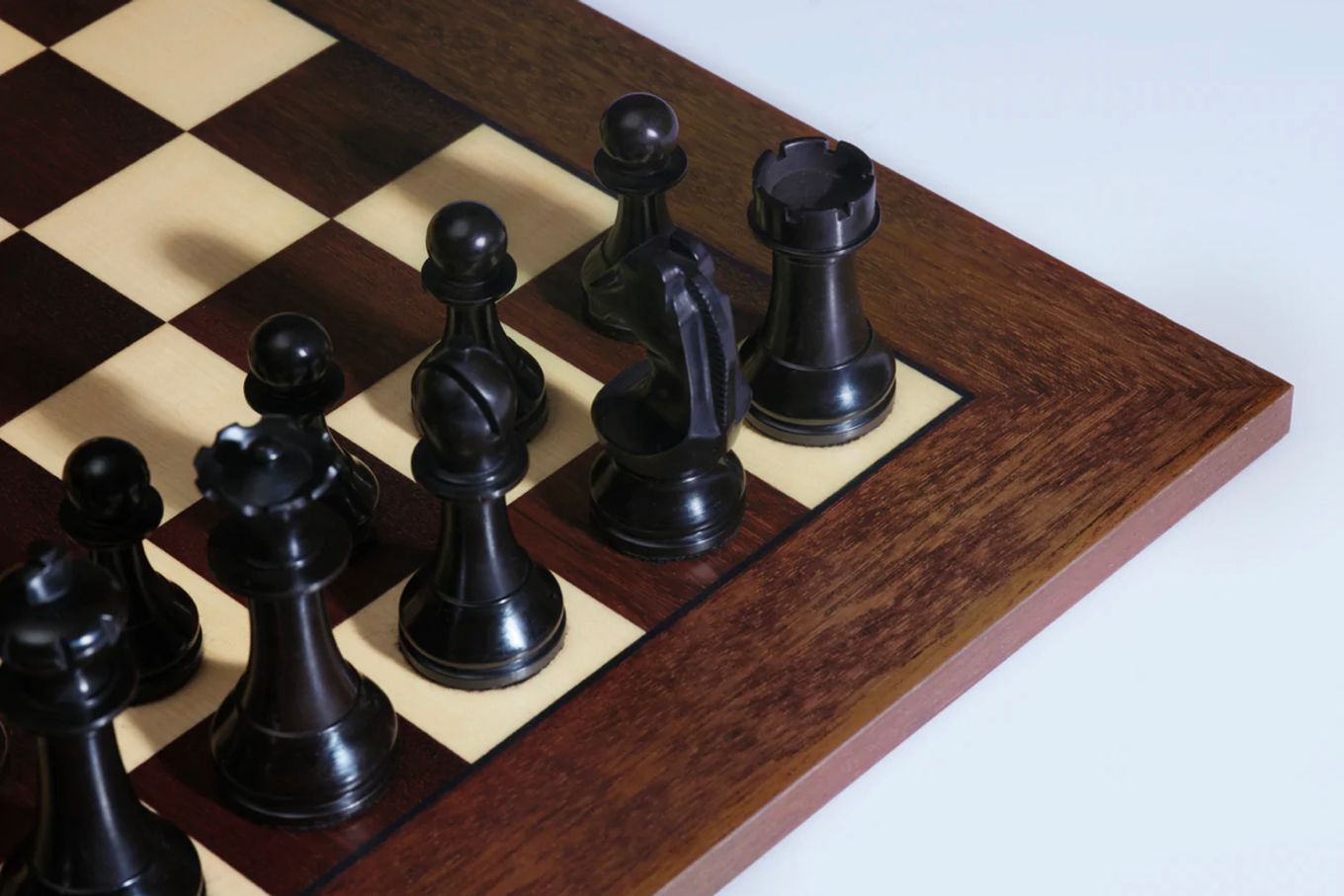
The Staunton set
Before 1849, chess pieces looked like whatever the local woodcarver felt like that week. Then Nathaniel Cooke registered a design, Jaques of London made it, and Howard Staunton, the strongest English player of the day, lent it his name and his endorsement.
Every tournament set since is a version of it. Collectors judge a set by its knight first: the horse's head tells you more about a set than the king does.
Chess Informant
A Yugoslav series of the year's best games, annotated in a language of symbols instead of words: ± for "White is better", !? for an interesting move, a small square for the only move that holds.
It meant a player in Havana and a player in Novosibirsk could read the same book without a translator. A shelf of these is still how you recognise a serious chess flat.
The pairings sheet
Before each round, someone tapes a printout to a wall and a hundred people crowd around it like it's exam results. It tells you who you play, on which board and with which colour, which decides the rest of your day.
There is an app for this now. Everyone still crowds around the wall.
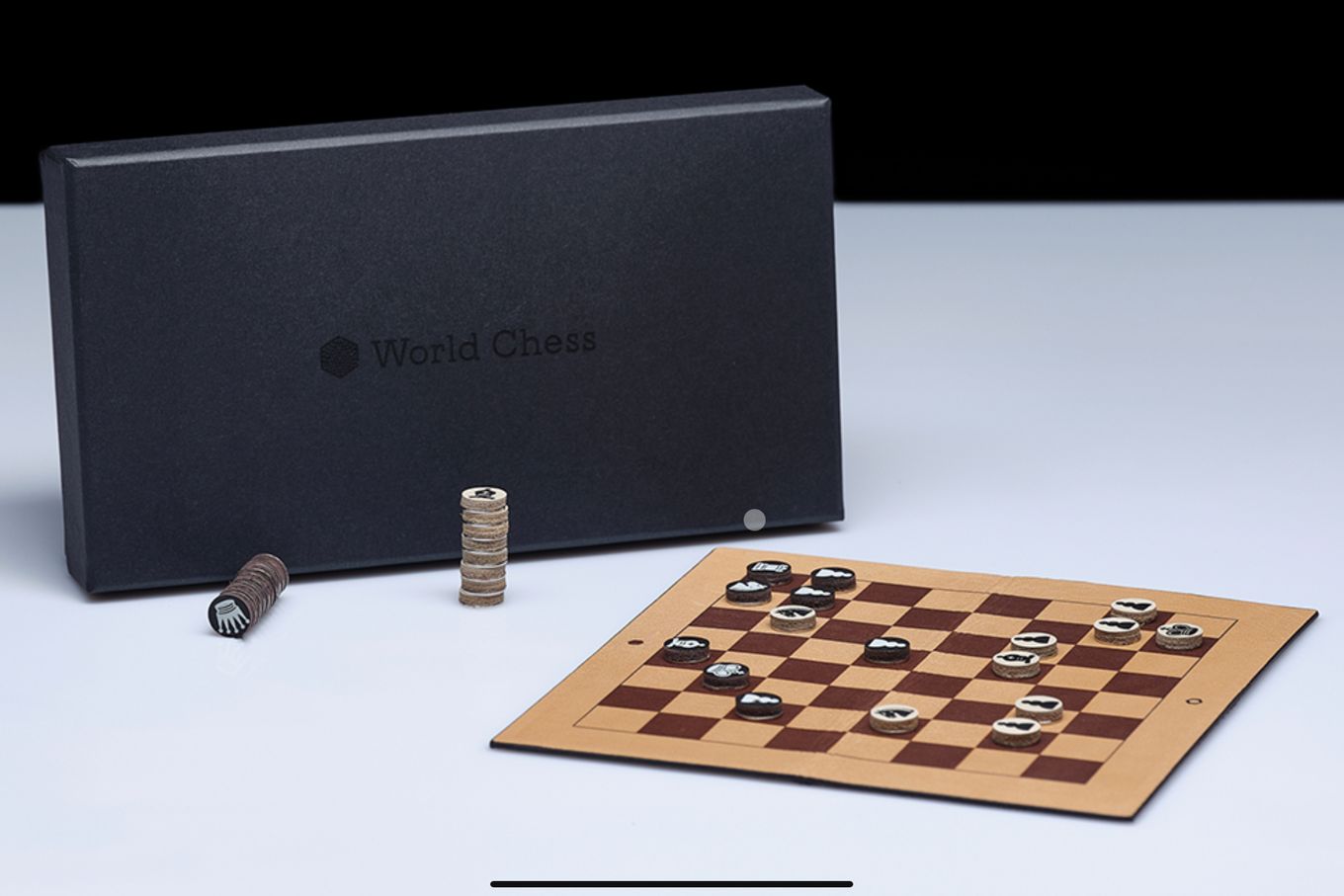
The pocket magnetic set
A wallet-sized board with flat magnetic pieces that you buy once, at twelve, to replay games on the way home. By the second year one pawn is gone and has been replaced by a coin.
Phones should have killed it. They haven't, because a phone can't show you a position without also showing you your email.
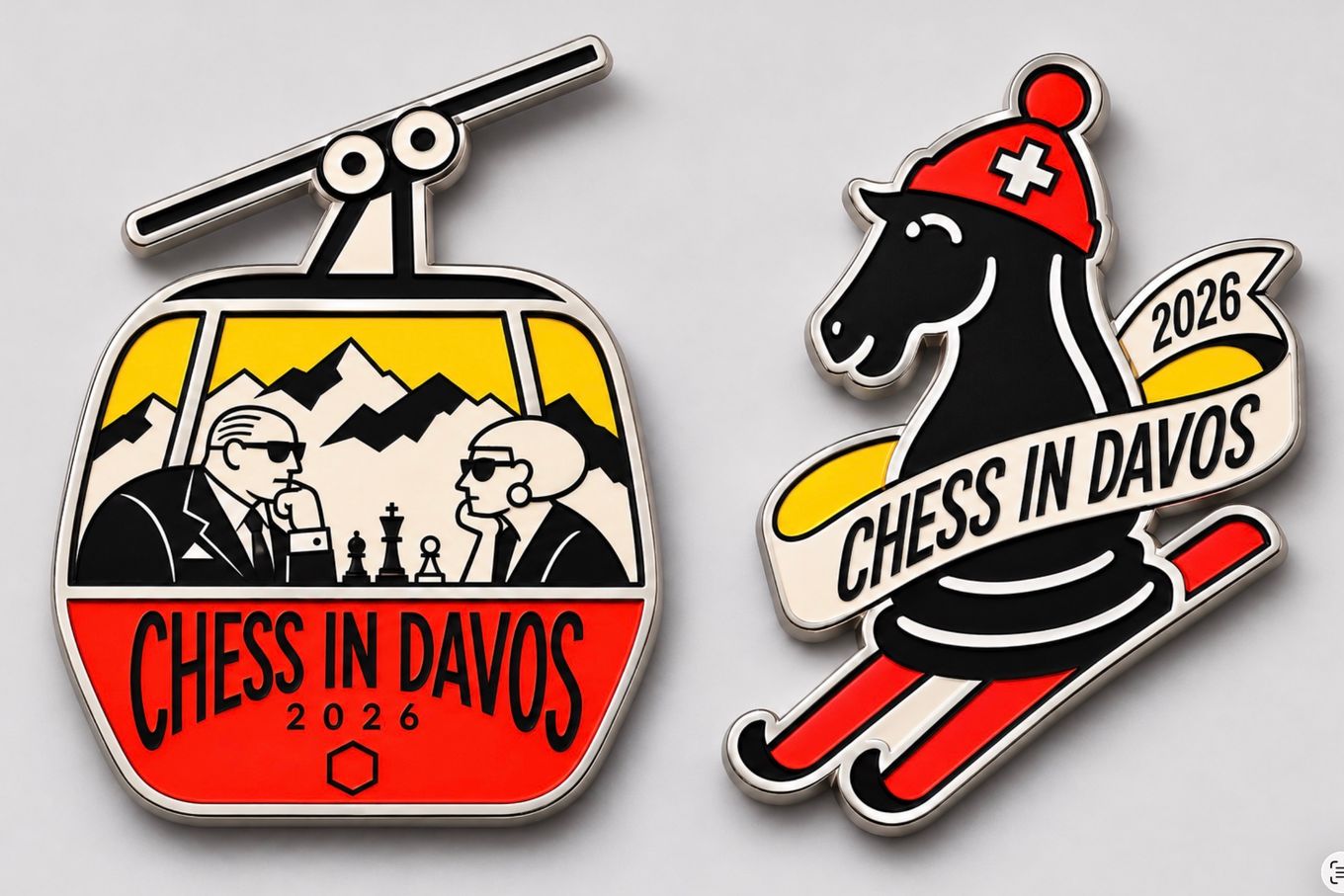
The Soviet chess pin
The Soviet Union made enamel badges for everything, and chess got more than its share: club championships, school tournaments, Olympiads, anniversaries of things nobody remembers. Each one is the size of a thumbnail and carries an entire chess bureaucracy on it.
Today they turn up at flea markets and on the jackets of people born long after 1991. It is the cheapest way to own a piece of chess history, and it fits in your wallet.
How we chose: one test. Would someone who doesn't play look at this object and wonder why anyone owns it? Everything here passes.