Esports World Cup Chess WILL Go Ahead With Carlsen And Nakamura—But What About The Rest?
The organisers of the EWC in Riyadh announce details of the 2026 event with no fear of the war in Iran or the Grand Chess Tour being annoyed about a schedule clash.
Chess is officially back at the Esports World Cup 2026 this August—and, after an uneasy few weeks, that confirmation feels significant.
While the Saudi-backed organisers haven't engaged with any speculation whatsoever, and never appeared ready to flinch, there has been real doubt in the chess world hanging over the event.
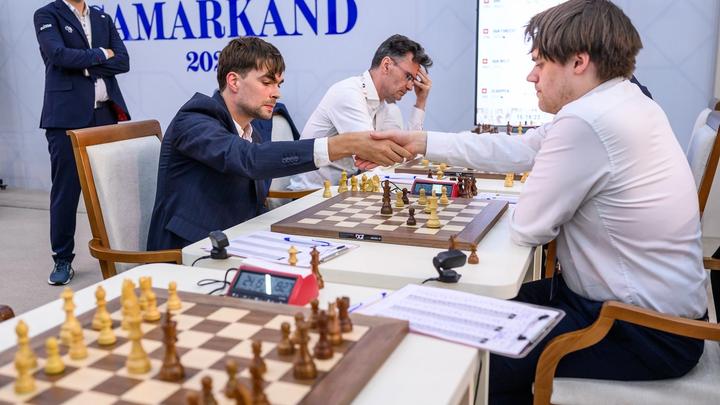
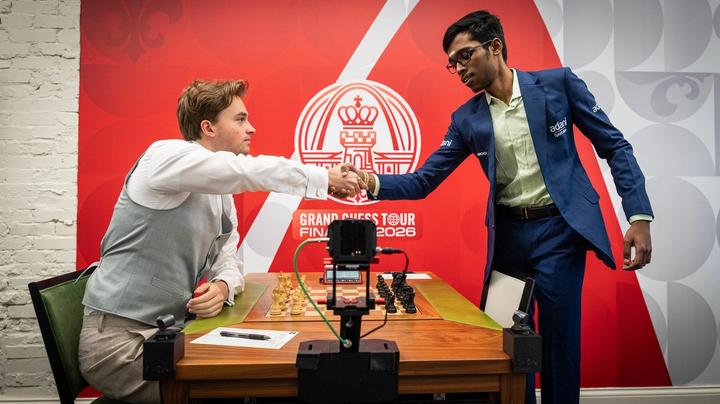
Firstly, a scheduling clash with the Grand Chess Tour prompted the Saint Louis Chess Club to dig in and refuse to move dates. It led to several top players publicly raising concerns in an open letter about being forced to choose between major events.
Then war broke out in Iran. Already conflict in the region has had knock-on effects on the FIDE Candidates Tournament 2026 preparations in Cyprus.
In a high-profile blow to FIDE, Indian GM Humpy Koneru, a legend of women's chess, formally pulled out over safety concerns.
If she's concerned about travelling to Cyprus, might other GMs be concerned about travelling to Riyadh, a city much nearer the epicentre of the conflict? It can't augur well for the EWC.
Against that backdrop, the EWC announcement that chess will return bigger and better than before, and the timing of that announcement on the very eve of the Candidates, seems like a statement of intent.
How will the players respond? How will the Grand Chess Tour respond? The answers to those questions will become clear soon enough. But in Saint Louis, they certainly won't be happy.
GM Fabiano Caruana, the world number-three who plays the Candidates this weekend, has already warned the EWC will lose "most of the best players in the world" if it doesn't shift it's timetable.
Caruana said he'd heard there was a chance the EWC could move its event. He was wrong.
Two major chess events. One calendar clash.
— MVL (@Vachier_Lagrave) February 10, 2026
We’ve published an open letter calling for better coordination between the 2026 Grand Chess Tour and the Esports World Cup — so qualified players can compete in both. pic.twitter.com/jPq3jMU0Hu
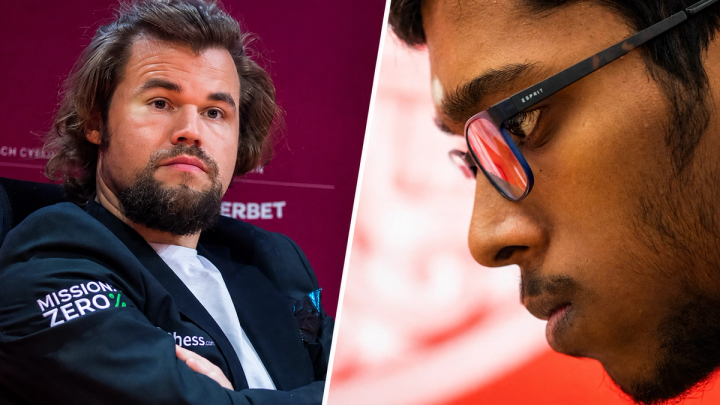
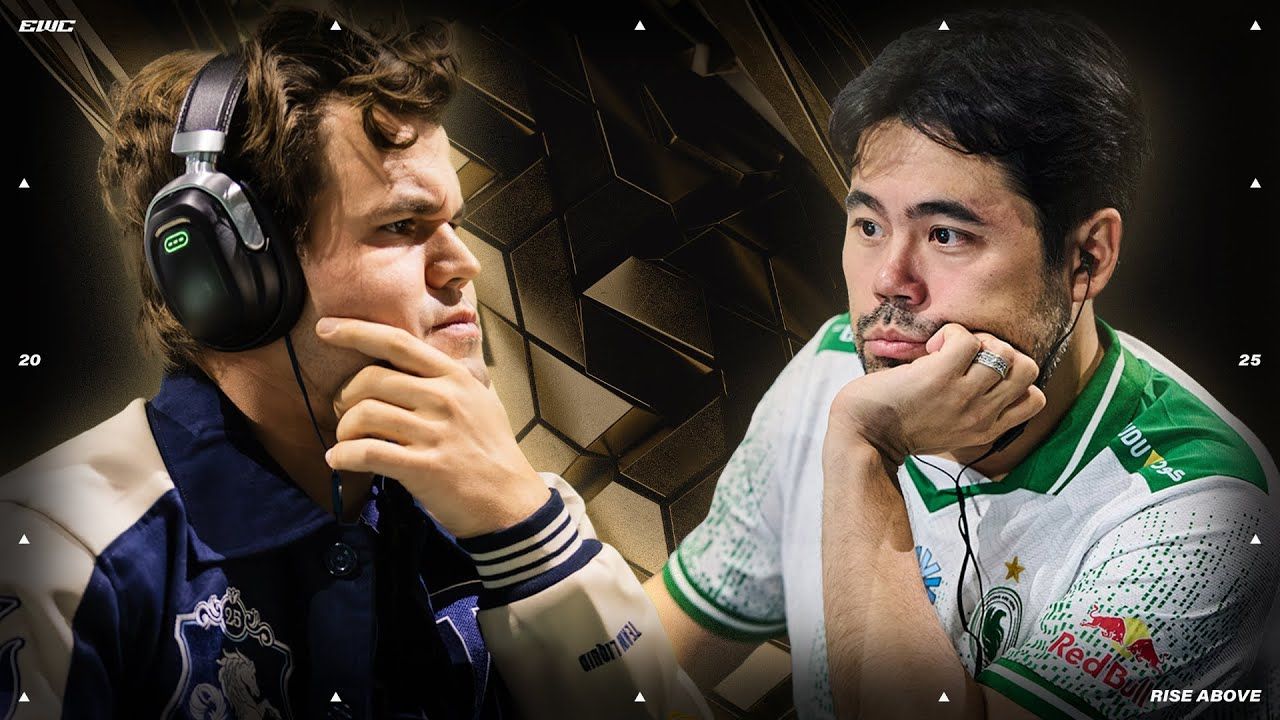
But back to that announcement—and it's clear the EWC will have the very big stars in chess GOAT GM Magnus Carlsen, his long-time rival GM Hikaru Nakamura and GM Alireza Firouzja, last year's runner-up. All three are locked in.
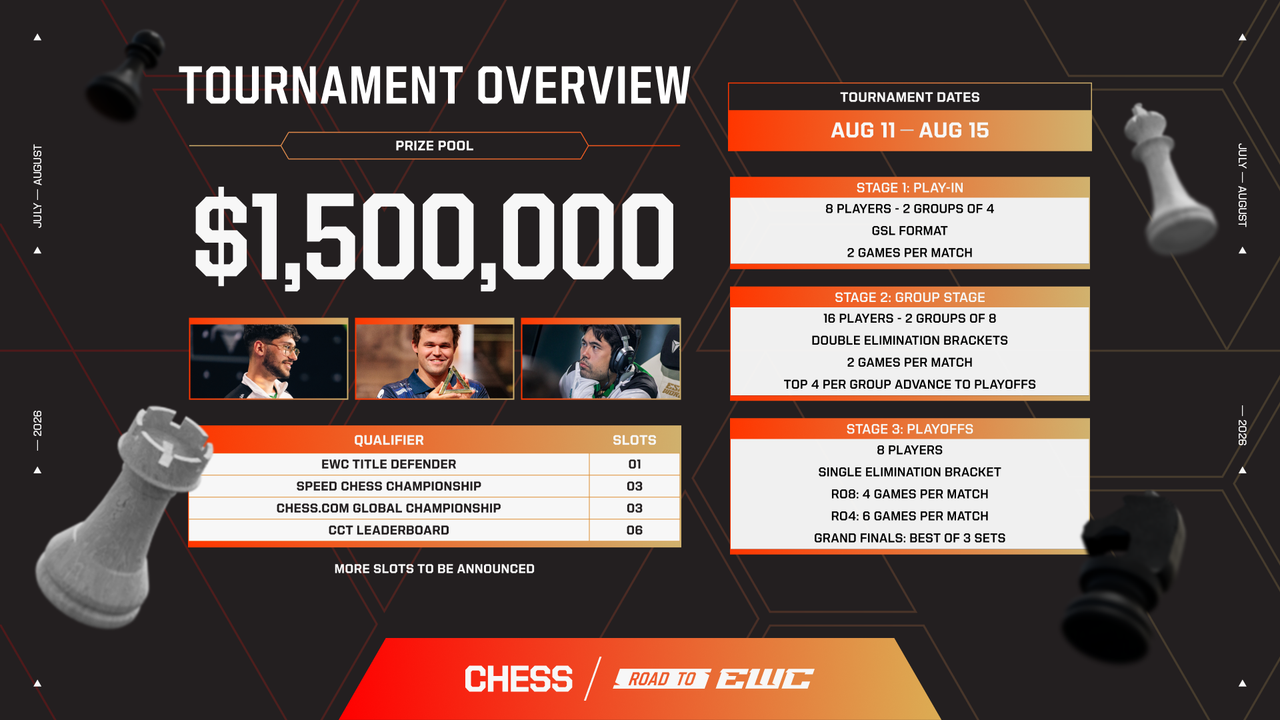
The EWC is also promising a cool $1.5 million prize pot and expanded 21-player field at the tournament.
The format has been tweaked too, adding a play-in stage before a revamped group stage and playoffs—very much in line with esports structures rather than traditional chess tournaments.
Carlsen is at the centre of it all, of course. The inaugural champion will be back to defend his title after a dominant run last year, where he didn’t drop a single set. His toughest test came against Nakamura, a match that needed seven games to separate them.
Carlsen went on to beat Firouzja convincingly in the final, underlining just how comfortable he looked in the faster, broadcast-friendly format.
Qualification for 2026 is already underway, and—as you’d expect—it’s complicated.
Alongside Carlsen and the top finishers from last year’s Speed Chess Championship (including Firouzja and GM Denis Lazavik), players can qualify through multiple routes:
- Top finishers in the Chess.com Open Championship
- Points earned on the Champions Chess Tour (CCT)
- A DreamHack Atlanta qualifier
- A last-chance qualifier just before the event
If already-qualified players double up via other events, extra spots will cascade down the rankings, especially through the CCT standings.
In short, we’re heading for a very esports-style qualification race—fragmented, points-driven, and running across multiple online and hybrid events.
Carlsen starts as the clear favourite—which won't surprise anyone. He’s not just the defending EWC champion, but still the dominant force in fast online formats. Anything less than first place would feel like an upset.
But the chasing pack is strong. Firouzja continues to look like the most natural challenger to Carlsen's speed chess supremacy, while Nakamura remains a constant threat—especially given his form on the Champions Chess Tour, where he currently leads among players not yet qualified.
What’s new here, though, is the team dynamic. With organisations like Team Liquid and Team Falcons investing in chess rosters, this isn’t just about individual glory anymore—it's also about club points and the wider Esports World Cup ecosystem.
The bigger question is how all of this fits into an already packed chess calendar.
With the Grand Chess Tour unwilling to budge and elite events like the Candidates cycle already under pressure from global events, players may still face difficult choices in the months ahead.
The Esports World Cup is offering big prize money, slick production, and a new audience—but it's also demanding space in a calendar that's never been more congested.
The EWC will go ahead as planned. But what will happen outside of that event. Come August in Riyadh, we will know.