Passed Pawn in Chess
Different pawns have different roles or control in the game. The majority of them spend their time supporting other pieces, controlling certain squares or are used as a blockade. However occasionally a pawn can be promoted after it travels across the board. Granting it a lot of power and making it highly dangerous to your opponent. These are known as passed pawns, even if they have not yet reached the endline, an advancing pawn requires attention. As they could change the entire endgame.
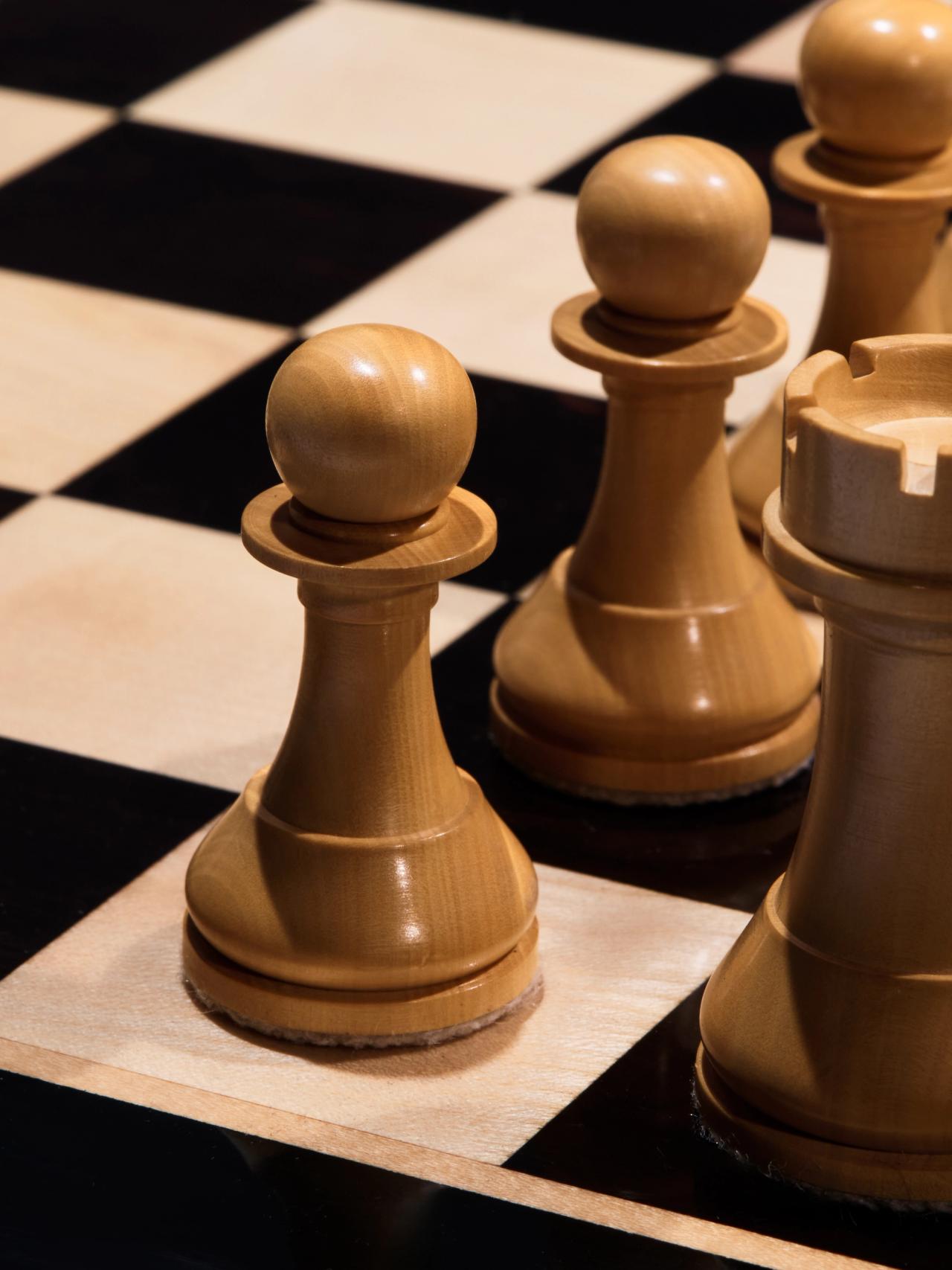
What Is a Passed Pawn?
A passed pawn is a pawn who is positioned neither directly behind nor adjacent to any opposing pawns that may be able to stop it advancing. Or simply put the path is clear to a promotion square. There may be alternative pieces that can stop or capture it but there are no opposing pawns.
As an example, a white pawn is located on d5 and no black pawns are located on the c/d/e-file in front of it, then it would be a passed pawn.
Importance of Passed Pawns?
- They create promotion threats.
- They force reactions from the opponent.
- They can distract the opponents pieces located in other areas of the board.
- They gain strength as they advance.
A passed pawn can be a key feature in a player's positions, especially when it comes to the end game.
Passed Pawns Types
Not every passed pawn has the same value. Some are easier to support and some create greater practical problems for the defender.
Protected Passed Pawn
This occurs when the passed pawn is protected by another pawn. This is usually considered one of the strongest pawn structures since the pawn that continues to advance remains protected.
What are the advantages:
- Greater security during advancement
- Reduced need for piece support
- Strong control of nearby squares
- Increased endgame winning chances
Many famous endgame victories have been built around a well-supported protected passed pawn.
Outside Passed Pawn
This is a pawn who is positioned far away from the main huddle of pawns. Normally located on the edge of the board. It has the ability to draw the other player’s king away from the centre. While the pawn is being chased by the defender, the attacking king has the ability to invade in other areas.
Key benefits:
- Creates difficult defensive decisions
- Distracts the opposing king
- Opens opportunities on the opposite side of the board
- Frequently appears in winning king-and-pawn endgames
Players who are strong at endgames while actively look for opportunities to make an outside passed pawn due to the pressure it puts on the defender.
Importance of Passed Pawns
There is an old saying in chess, "Passed pawns must be pushed". It is repeated constantly by chess coaches for a reason. A passed pawn can potentially become a queen, rook, bishop, or knight. A promoted pawn can completely change the game, the other player is then forced to devote other pieces to prevent the pawn from advancing.
The importance of a passed pawn:
- Creating long-term strategic pressure
- Restricting enemy piece activity
- Forcing defensive resources
- Generating promotion threats
- Providing winning chances in equal positions
Even if a passed pawn does not reach the 8th rank, the consideration it gains from the opponent creates opportunities throughout the board.
Conclusion
The passed pawn can be a highly valuable asset in chess, especially in the endgame. There are no opposing pawns to stop it and its constant threat of promotion can influence the rest of the board.
No matter if the passed pawn is protected or is outside the foundation remains the same. A singular pawn can decide the game’s outcome. Becoming familiar with how to create, support, deflect and capture a passed pawn is a key step for any player who wishes to be a stronger player.
See Also
Read more: Pawn Promotion In Chess, Pawn in Chess, and Backward Pawn in Chess.