Zugzwang in Chess
At some point a chess position can look balanced, until a move is forced by a player and the strong position weakens and turns into either a loss or draw. This is known as Zugzwang and is a highly fascinating strategic concept. It differs from sacrificial or combination tactics but is built around necessity. A pass on the turn would usually be preferred by the player, however that is impossible in chess. Any legal move for the player would worsen their position allowing the other player to gain an advantage. It can be unusual for beginners, but for the experienced player being able to identify the Zugzwang is a key skill especially for endgames or sometimes appearing in complicated middle games.
What Is a Chess Zugzwang?
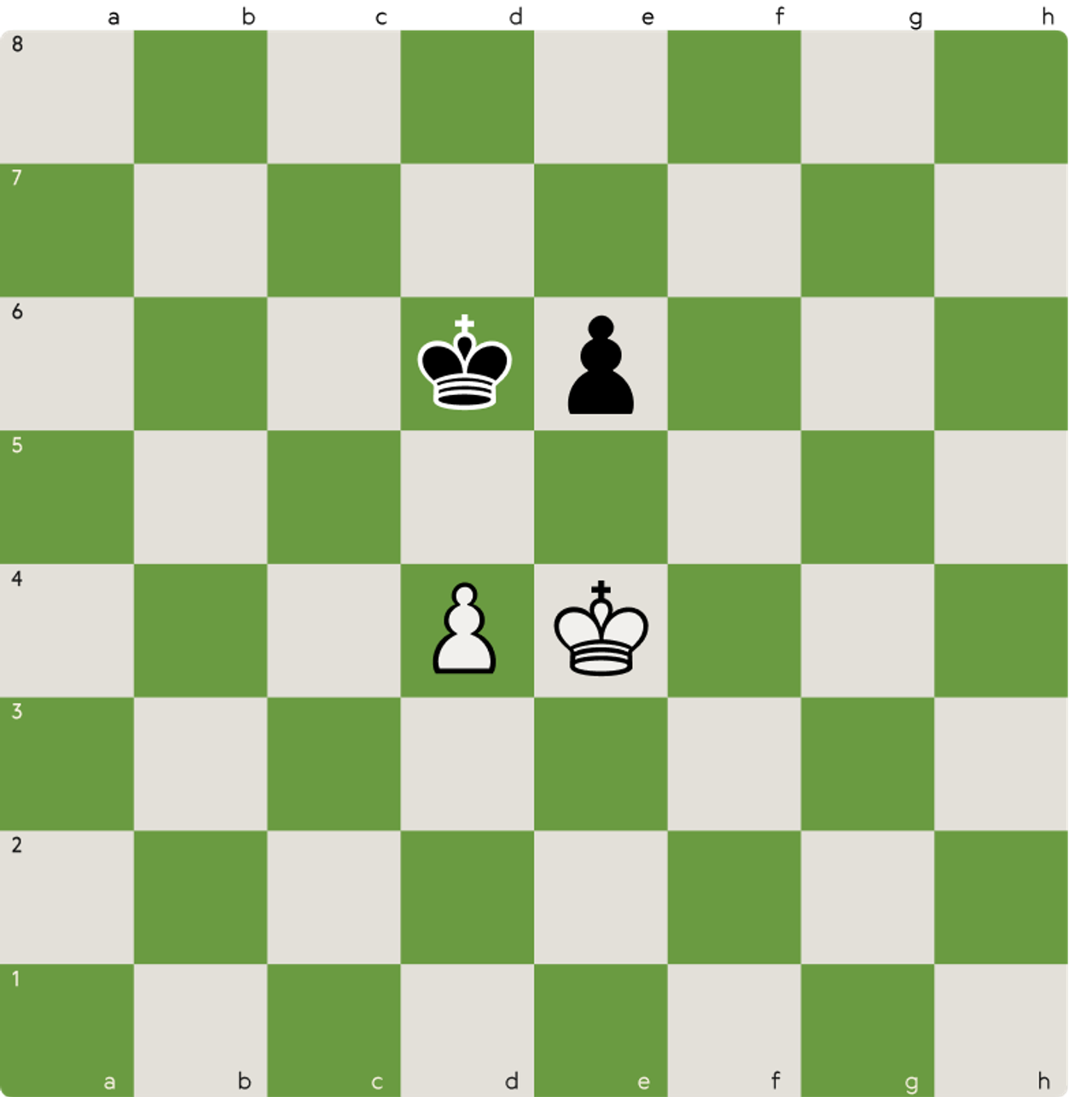
Originating from the German phrase "compulsion to move" or "forced move." When referred to chess it describes an occurrence when a player would be happier to not move as all moves would worsen their position.
A classic example would be in king and pawn endgames. A player controls key positions, while their opponent king has no move that would be productive. The ruling to require a movement means the opponent allows the players with control to make more progress with the defender has to move away from an important square.
Characteristics of Zugzwang:
- Every legal move weakens the position
- Remaining still would be the best option
- The side to move suffers a disadvantage
- The concept often appears in endgames
- Precise calculation is required to create it
Many players first encounter Zugzwang in chess through simple king-and-pawn studies, but the idea can appear in many different types of positions.
For related endgame concepts, see:
- King Opposition
- Chess Endgames
Zugzwang History
The term Zugzwang entered into popular zeitgeist in the nineteenth century, but the concept dates far further back. This situation can be seen throughout history, where a player exploits the forced move rule and occurred long before the term was widely known.
The concept was popularized by German writers and by the early twentieth century, is was widely recognized as a theme in chess.
Several legendary players used the concept effectively:
- Wilhelm Steinitz demonstrated positional forms of Zugzwang
- José Raúl Capablanca frequently created winning king-and-pawn endgames through superior technique
- Aron Nimzowitsch explored more advanced strategic applications
- Modern players continue to use Zugzwang as a weapon
And now it appears in numerous puzzles, lessons and games. It is known as essential knowledge and a key skill needed for growing endgame technique.
The most Important Zugzwang Tactics
The majority of Zugzwang positions look different. However there are several recurring patterns that showcase how it looks in practice.
Landmine Zugzwang
This occurs when a piece looks like it is active but in reality is trapped by its own responsibilities. There may be several moves available to the player but all of these leave critical squares or pieces defenseless. It could also be viewed as a hidden trap one in which the moment the pisces moves the player's positions collapses.
Typical features:
- Overworked defensive pieces
- Limited mobility
- Tactical threats waiting behind the position
Short Diagonals Zugzwang
This pattern often appears in bishop endgames.
A bishop may be restricted to a short diagonal and unable to improve its position. When the defending side runs out of useful king moves, moving the bishop becomes necessary, often allowing the opponent to penetrate or win material.
Key ideas include:
- Restricted bishop movement
- Limited waiting moves
- Control of critical squares
Rook vs. Bishop Zugzwang
Rook and bishop endgames can produce subtle forms of Zugzwang. The stronger players will slowly improve their positioning while restricting their other players' options. Eventually the weaker player reaches a point where any legal move available worsen their king and bishop coordination. Positions like these must have patience and accurate maneuvering, meaning that they tend to be popular examples in endgame training.
The Retreating King
One of the simplest examples occurs when a king must move away from an important square.
Imagine two kings contesting key territory. There is no beneficial move for the player and instead they must retreat, giving the opposing king the ability to advance. This concept tends to be one of the first examples taught to beginners.
Important themes include:
- King activity
- Opposition
- Control of entry squares
Airplane Zugzwang
The Airplane Zugzwang is a less common but memorable pattern often discussed in endgame studies.
The name comes from the image of pieces moving back and forth like aircraft circling without a landing option. Eventually for the weaker player, they have exhausted all useful movements and are forced into a losing concession. Examples like these are often used in chess compositions as they showcase clearly the principle of forced deterioration.
King + Rook vs. King
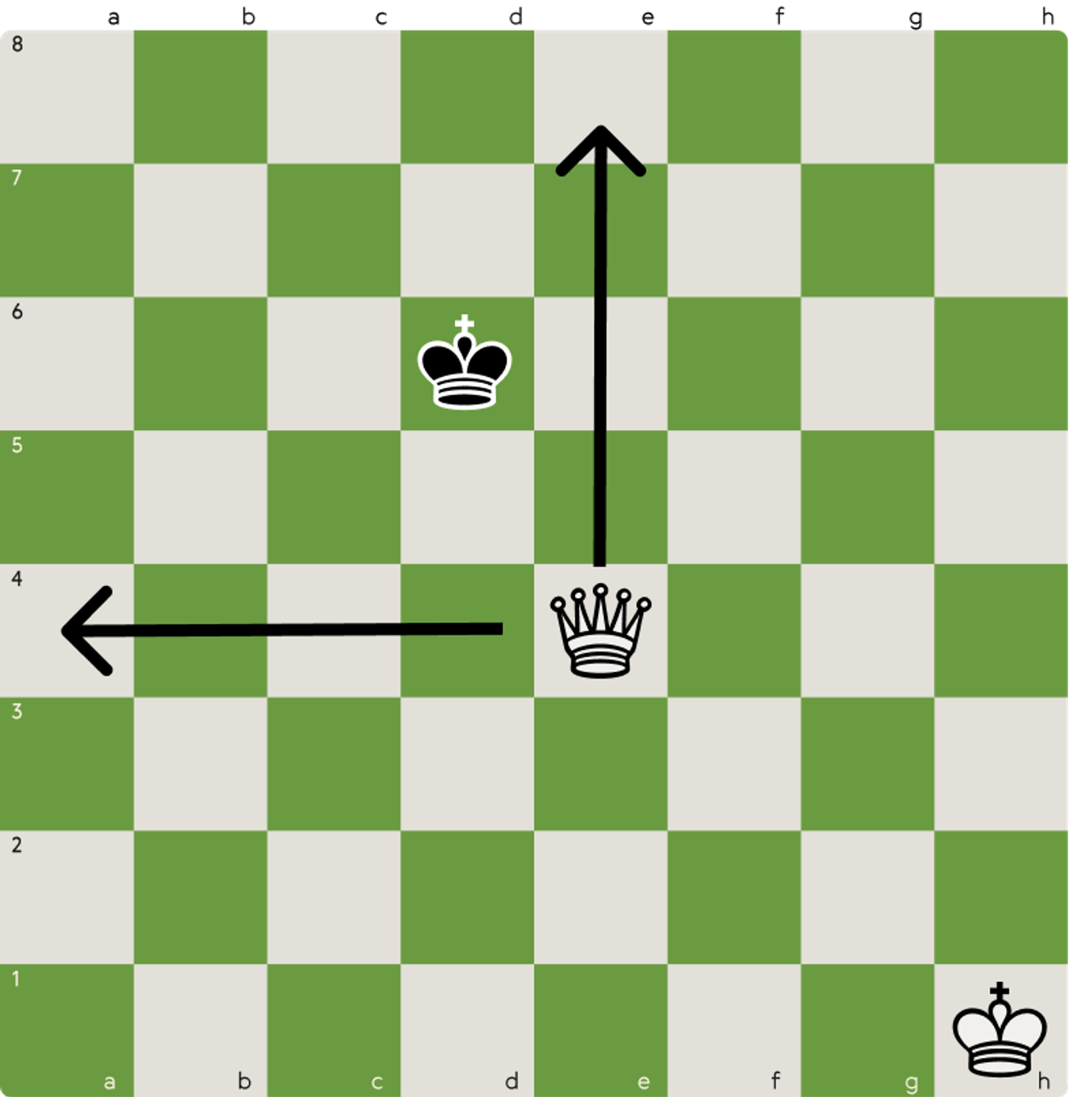
Although this endgame is theoretically won with correct play, Zugzwang in chess often plays an important role in the conversion process.
The stronger side gradually restricts the enemy king using both king and rook. Eventually, the defending king is forced into an unfavorable square, making checkmate possible.
Lessons from this pattern include:
- Limiting king mobility
- Using waiting moves effectively
- Forcing the defender into a worse position
- Understanding tempo and move order
Many players improve their overall endgame technique by studying these positions carefully.
Conclusion
Zugzwang is a highly elegant concept as it shows how a simple rule in chess can be utilized into a strategic weakness. There may be the same level of material on each side as well as a safe king and no immediate threats but they can still lose because all their available movements worsen their position.
Knowing the concept and how they appear allows players to understand the Zugzwang on a deeper strategic level. From a king-and-pawn ending to a rook endgame the underlying lesson is the same, the hardest move is the one you are forced to make. By studying examples you are able to recognise them both in theory and practice.
See Also
Read more: Strategy in Chess, Opposition In Chess, and Chess Blunder.