5 chess words that escaped into English

You've been speaking chess all along. Five words that left the board, moved into politics, banking and boardrooms, and never came back.
Checkmate
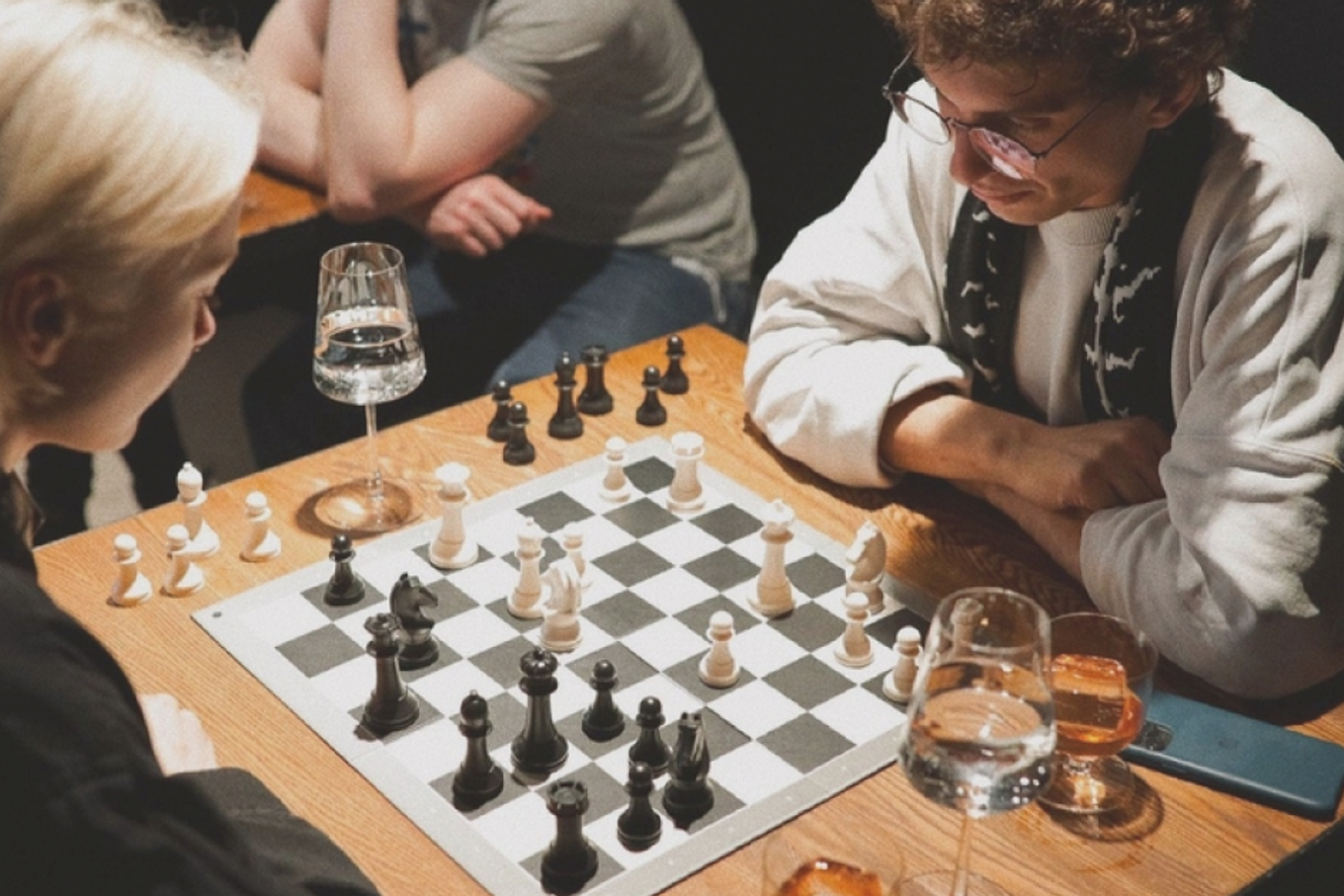
Chess came west through Persia and the Arab world, and its final word came with it. Shāh is the king. Māt is usually translated as "dead", which makes a better story than it is: most etymologists read the Persian as closer to "the king is helpless" or "stunned". The king never actually dies in chess. He just runs out of options.
The same shāh gave English the word chess itself, by way of Old French, and the word check. So every time you say "check", you are, technically, saying "king".
Exchequer
The Norman kings of England counted their revenue on a table covered with a cloth ruled into squares, moving counters across it like pieces. The cloth looked like a chessboard, and the office took its name from it. Britain's finance minister is still the Chancellor of the Exchequer: etymologically, the chancellor of the chessboard.
The same word gave English "chequer", the pattern, and very probably helped shape the bank cheque. The x crept in later, from the mistaken idea that the word was Latin.
Stalemate
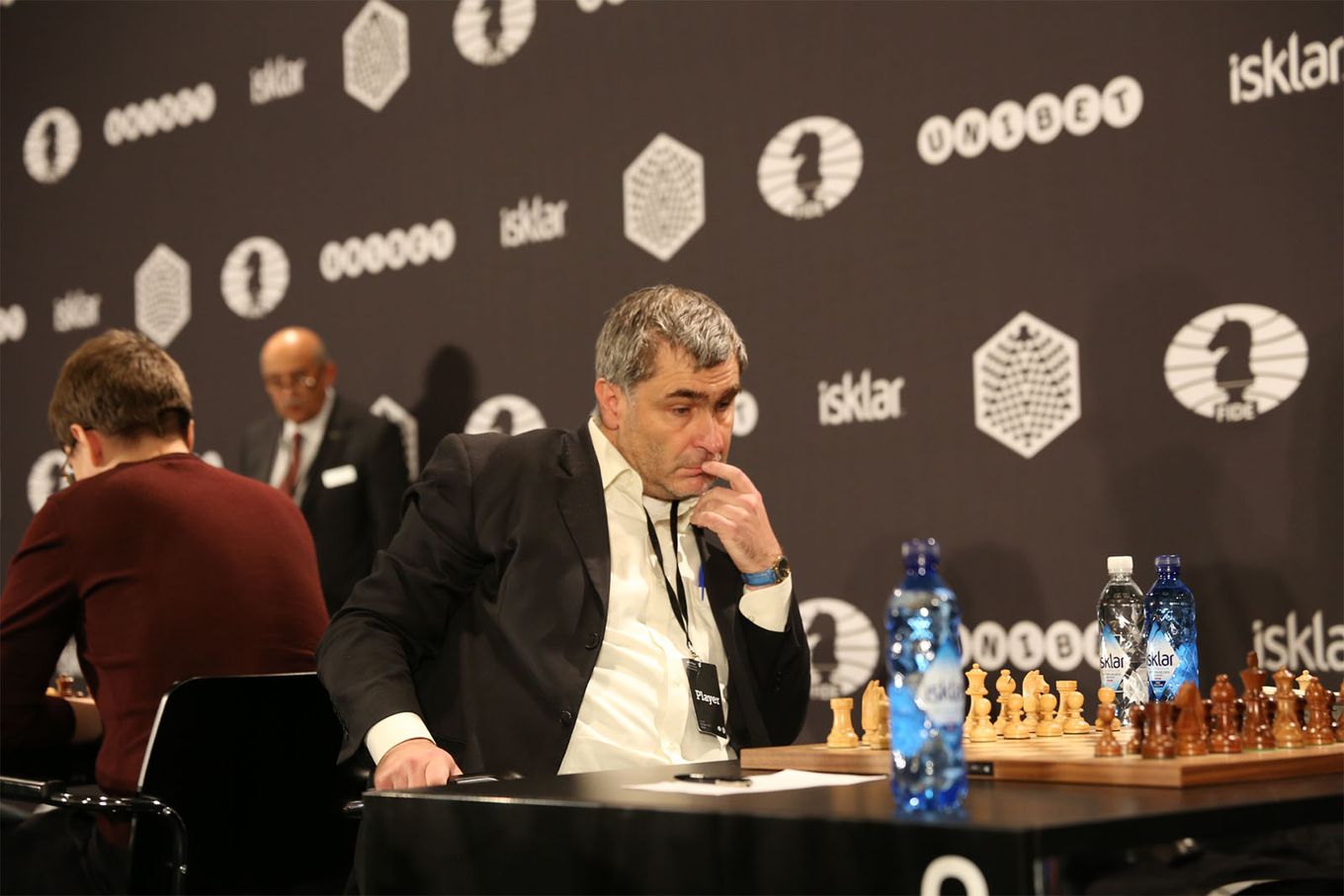
Long before it described budget talks and frozen front lines, stalemate was the most frustrating result in chess: one side has no legal move but isn't in check, and the game ends as a draw. The root means standing still, the same one behind the English word "stall".
The rules haven't always agreed on what it means. In England, from the 17th century into the early 19th, the player who was stalemated was counted as the winner. Try that argument at your club.
Gambit
Gamba is Italian for leg, and a gambetto was a wrestler's trick: hook the other man's leg and put him on the floor. In 1561 a Spanish priest, Ruy López de Segura, put the word into a chess book to describe openings where you give up a pawn to knock your opponent off balance.
Now every politician and CEO has an "opening gambit". Most of them would be surprised to learn the word has nothing to do with gambling, and everything to do with legs.
Pawn
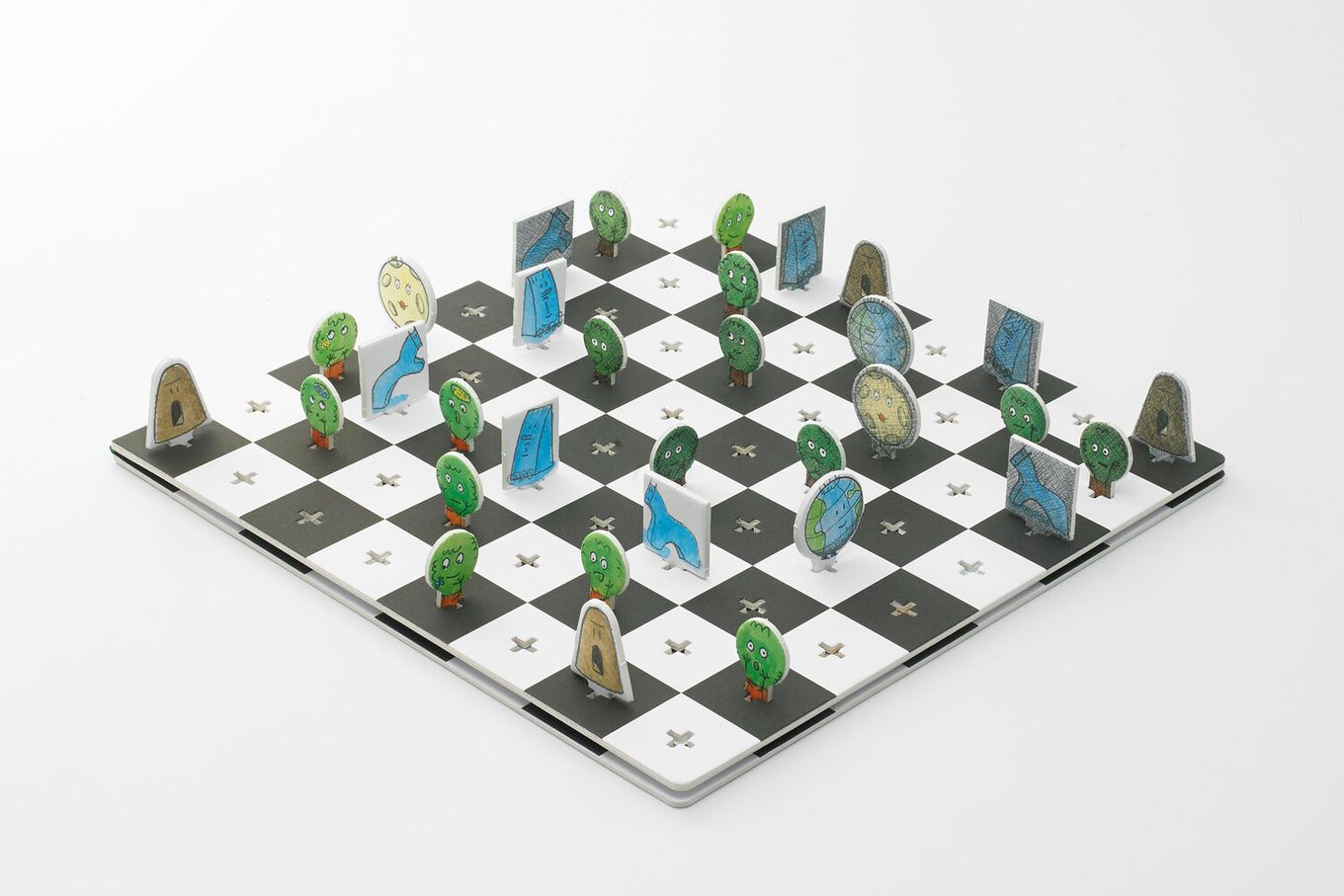
The pawn is the foot soldier: the word goes back through Anglo-French poun to the Latin for someone who goes on foot. By the 1580s English was calling people pawns too, meaning anyone moved around and sacrificed by someone more powerful.
Middle English had an even better phrase, "rook and pawn": the high and the low, which simply meant everybody. The pawn you leave at a pawnshop, by the way, is a different word that just happens to look the same.
How we chose: words that left the board completely and are used every day by people who never think about chess. Etymologies follow the Online Etymology Dictionary and Merriam-Webster.