10 unwritten rules of club chess
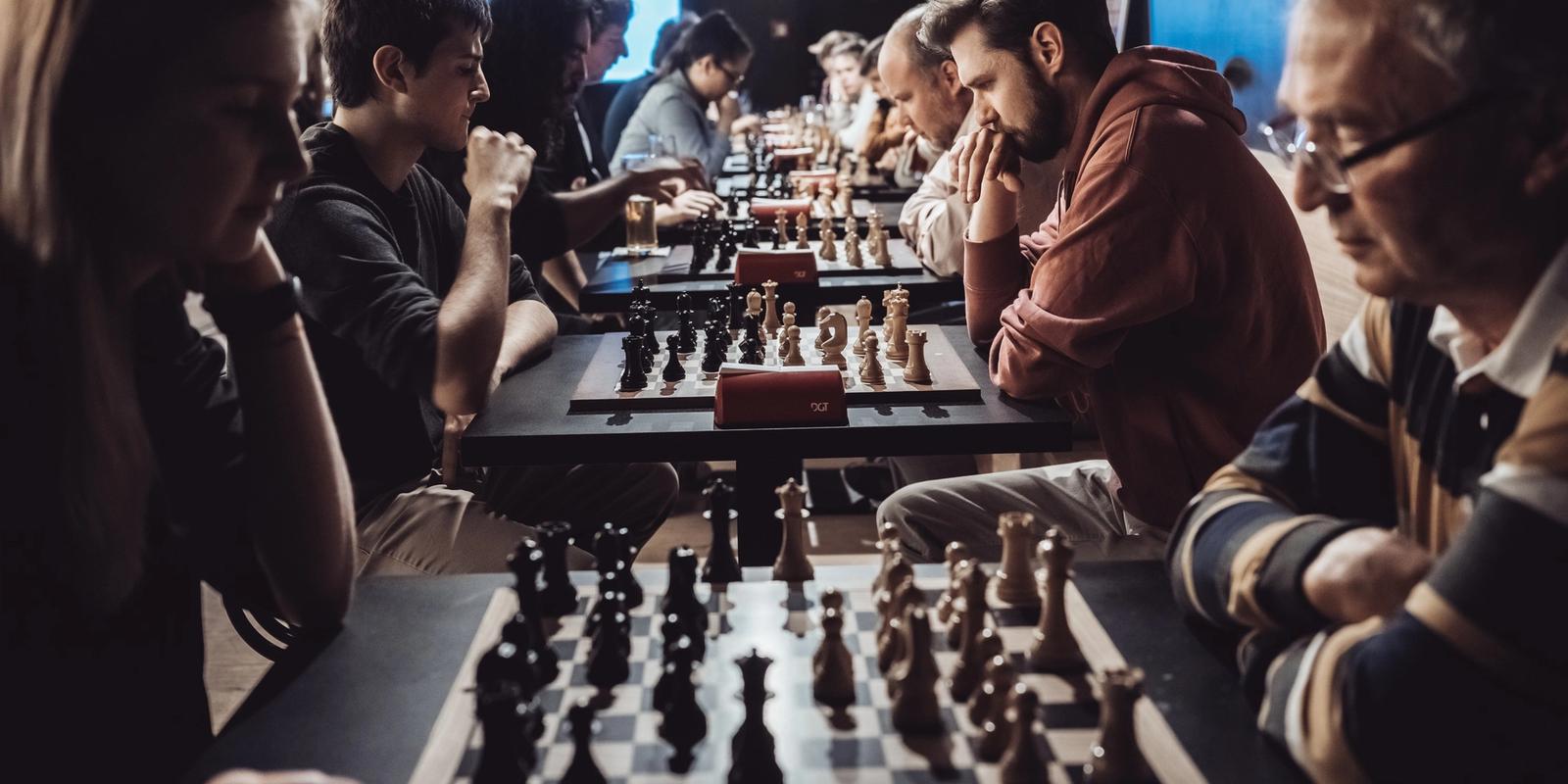
Nobody will tell you, everyone will judge you. A survival guide for your first night at a real chess club.
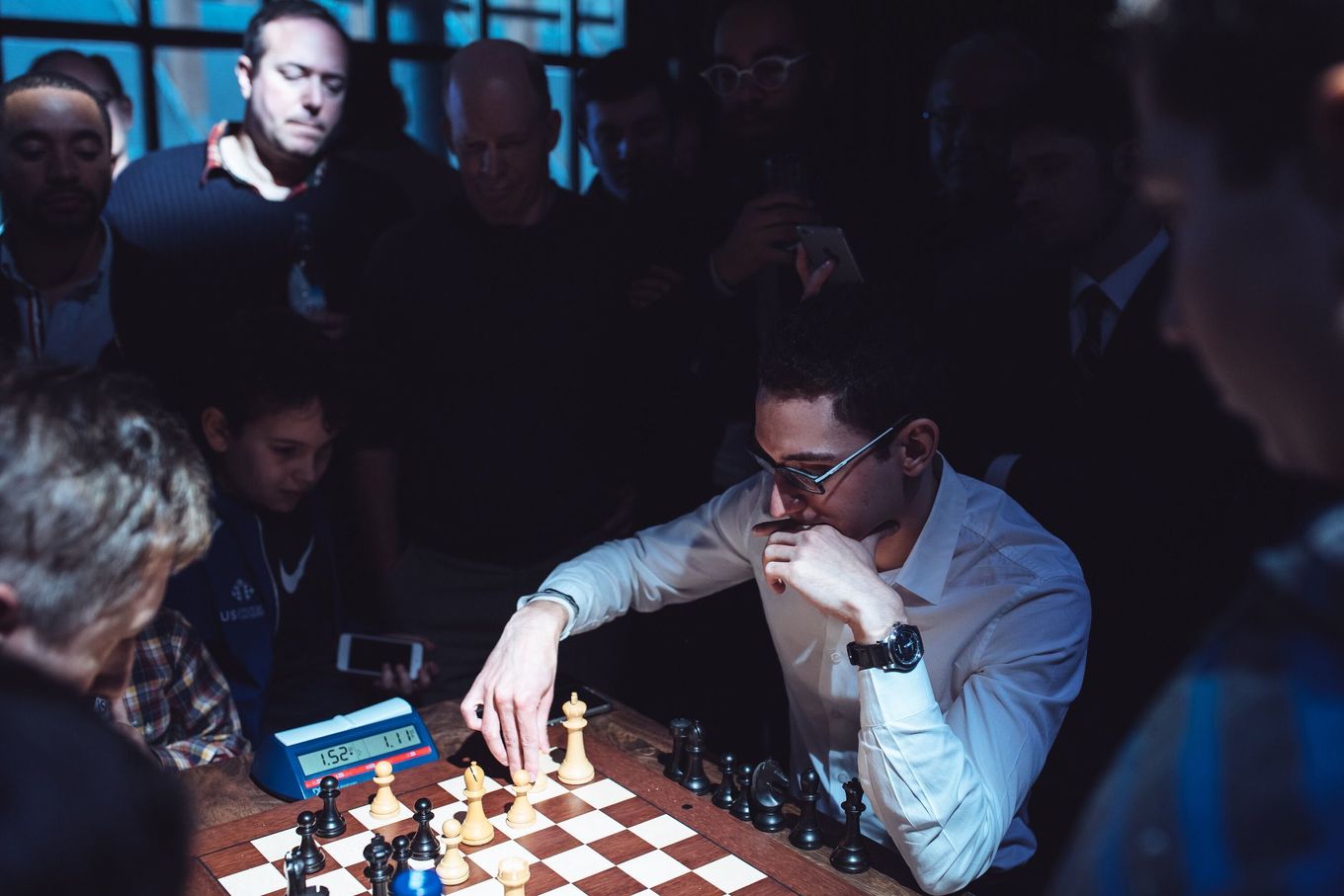
Don't hover
Between your own moves you're allowed to get up and look at other games. You are not allowed to stand directly over a board, arms crossed, breathing, like a man waiting for a parking space.
Watch from a step back, don't lean in, and never react to a move. A raised eyebrow in the wrong place has started more arguments than any opening.
Touch it, move it
Deliberately touch one of your pieces and you have to move it. Touch one of your opponent's and you have to take it, if you can. Everybody learns this once, the hard way.
Hands stay in your lap until you've decided. Thinking with your fingers is for online chess.
Say "j'adoube" before you adjust
If a piece is sitting off-centre and you want to straighten it without having to move it, say so first. "J'adoube", French for "I adjust", is the classic; "adjust" works just as well.
Saying it after you've touched the piece doesn't count. Saying it every three moves is its own kind of psychological warfare.
Press the clock with the hand that moved
Move with your right, press with your right. Moving with one hand and hitting the clock with the other, like a pianist, is against the rules and looks exactly as shifty as it sounds.
And press it, don't punch it. The clock didn't blunder.

Offer a draw once, at the right moment
Make your move, offer the draw, then press the clock. That's the order in the rulebook. Offering on your opponent's time interrupts their thinking, which is exactly why you shouldn't.
Offering again ten moves later, when nothing has changed, is the chess version of asking "are you sure?" after a breakup. If they say no, play on and stay quiet.
Don't write your move down first
Some coaches still teach it: write the move, check it, then play it. In a FIDE-rated game that's not allowed. Recording a move before you've made it is forbidden, because a scoresheet is a record, not a notepad.
Play first, write after. If you need to check your move, check it in your head.
Your phone is not in your pocket
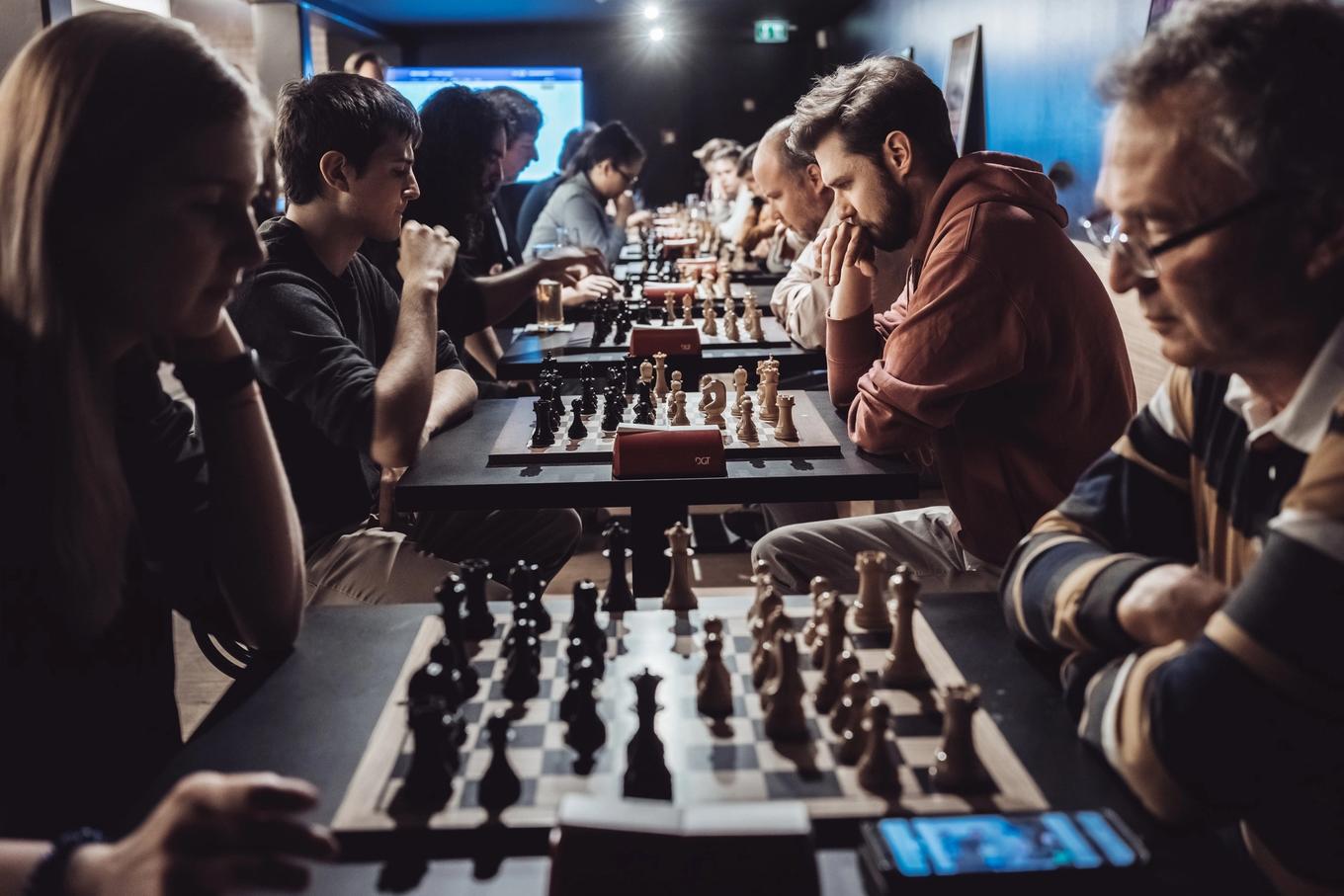
Under FIDE's rules, having a phone on you during a game can lose you that game, even if it's on silent, even if you were only checking the time. Some tournaments let you keep it switched off in your bag; none let you keep it in your pocket.
Leave it in your coat. The position will still be there when you get back.
Shake hands, before and after
Before the first move and after the last one, whatever happened in between. To resign, offer your hand or stop the clock.
Don't sweep the pieces off the board and don't leave without a word. Your opponent will remember either version for a very long time, and so will everyone at the next table.

Don't analyse their loss for them
After the game, the loser decides whether there's a post-mortem. If there is, it's a conversation, not a lecture: show a line, ask what they saw, let them find the improvement themselves.
Explaining to someone, unasked, exactly how they lost is the fastest way to make sure nobody at the club ever plays you again.

Never tell anyone you were winning
Everybody was winning. Everybody had the move that won on the spot and missed it in time trouble. Nobody at the club wants to hear about yours, and the engine, later, at home, will usually disagree with you anyway.
Say "good game", write down the result and go get a coffee.
How we chose: six of these are in FIDE's Laws of Chess, which almost nobody reads. The other four aren't written down anywhere, and everybody enforces them.