Chess Brings Hope To Rohingya Children In Cox’s Bazar
With FIDE's Chess Olympiad in Samarkand, Uzbekistan, drawing close, here's how chess is transforming the lives of refugee children in Cox's Bazar, Bangladesh.
Chess might seem an unlikely game-changer to transform the lives of refugee children.
But that’s exactly what is causing a buzz for youngsters living in the harshest conditions across Cox’s Bazar, Bangladesh, home to 33 refugee camps. And the move is backed by the FIDE, The Himalayan Chess Academy–and a national women’s champion.
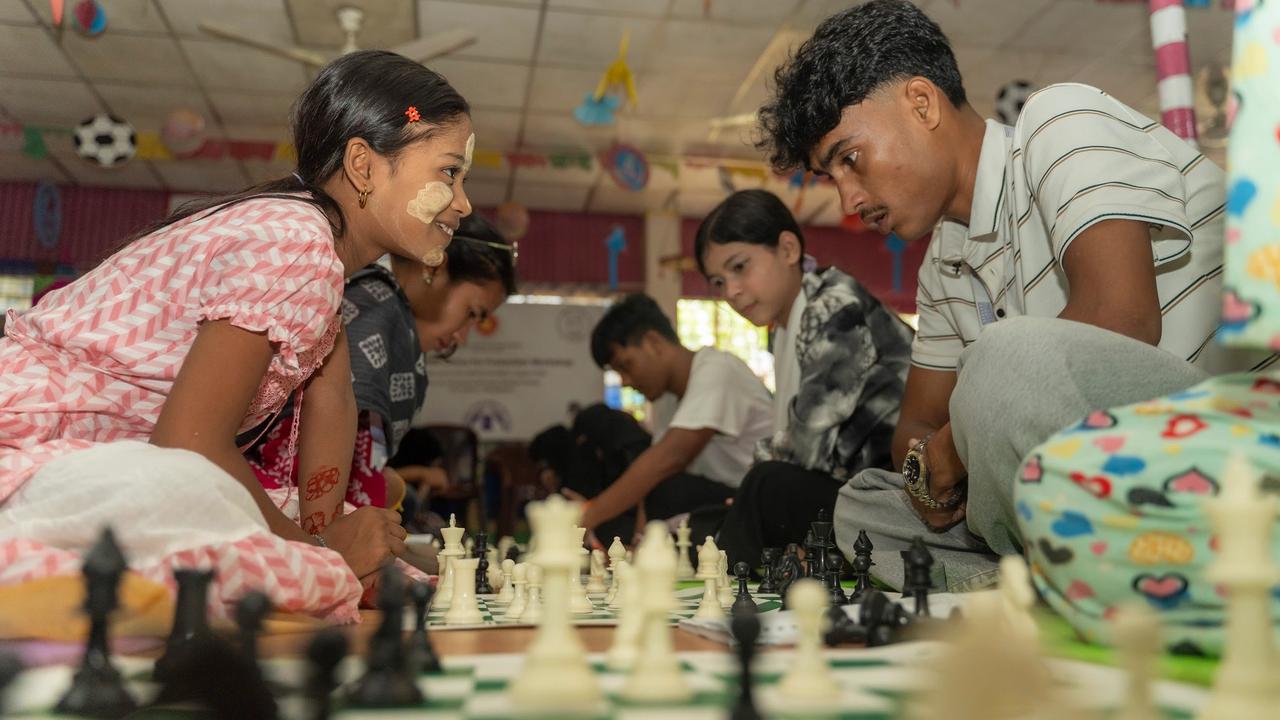
In camp, an excited group of children gathers around a one-US-dollar chess set, eyes fixed in anticipation of a girl with her finger resting on the small white piece in contemplation of her next move. Check!
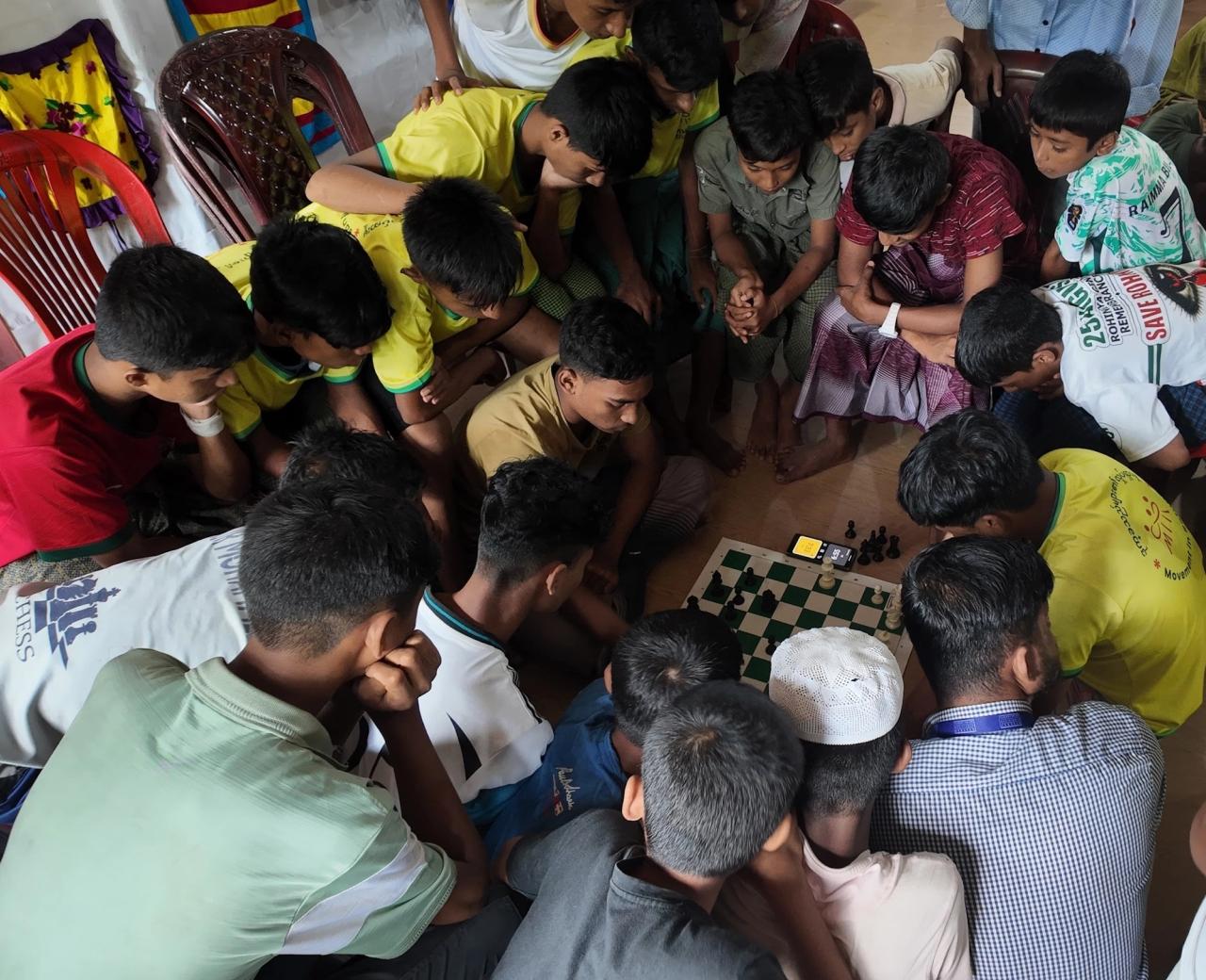
Some gasp; some giggle. But the focus, the tension and the sense of engagement are tangible. It’s a scene repe
Magnus Wolfe-Murray smiles as he watches. The charismatic Scot, a seasoned aid worker, has brought the game into the lives of the Rohingya communities with his grassroots charity Movement in Refuge.
It’s not all about chess. It's about play, movement, activity and engagement, including sports like round net and football. He’s just beginning.
Yet introducing the Chess for Protection Programme in August in partnership with FIDE has been a winning move.
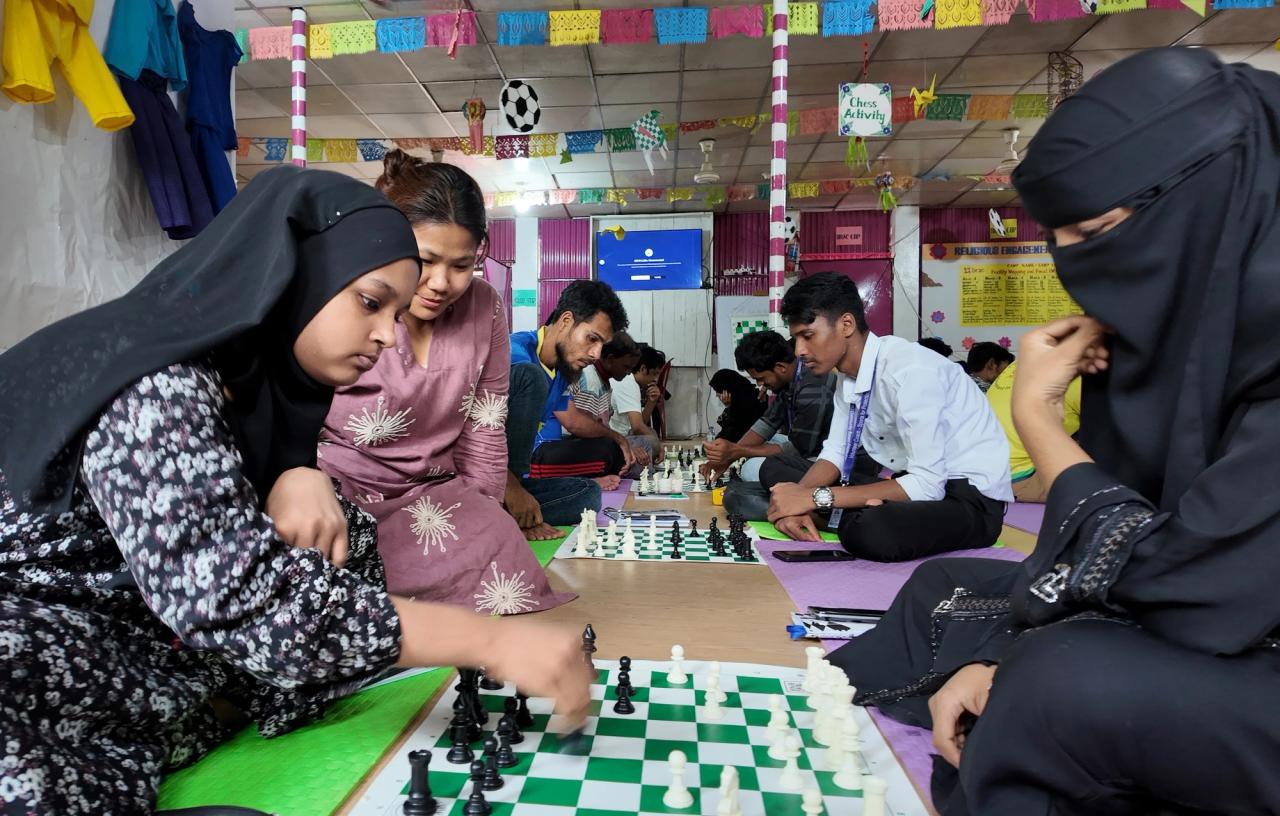
Wolfe-Murray said: "The impact of introducing chess to youngsters in the camp has been amazing. With a few chess sets and some coaching! The game is a great focus. The engagement and genuine excitement we have been able to achieve has been brilliant.
"It brings with it a confidence and sense of empowerment among the children – we see a real difference. A sense of hope. And lots of smiles.
"Now we’re hoping we can raise funds to extend our activities to include many more of the thousands of children across the camps, working with and training additional coaches from within the refugee community," he adds.
Beside him stands Monalisha Khamboo, Nepal's first women’s chess champion, who received the Woman Candidate Master title from FIDE in 2015.
The game transformed her life from a shy girl in a poor village in Eastern Nepal, hindered by a serious stammer and teased by peers and teachers alike.
Chess changed her trajectory completely. She earned a sports scholarship through chess to gain a place at a high school in Kathmandu, and the rest is history.
Now she spends her time championing the game across international borders. She’s known Wolfe-Murray from his aid work in Nepal and was happy to help bring the game to refugee children and provide professional coaching.
Ms Khamboo commented: "This project is close to my heart. Chess can be an agent of change for every individual, which is what happened to me. From my own personal experience, chess can help you build self-esteem and the resilience that comes in the healing journey. Chess is a strong social tool for promoting and working in the Rohingya camps.
"We now have thirty chess trainers, so we are on the right path. We can make a better world for living through the game of chess. I am so grateful to FIDE for this opportunity to come and serve here and work with the Rohingya people."
The idea is to bring chess and its benefits to more refugee youngsters in Cox’s Bazar, where there are an estimated 540,000 children according to the Government of Bangladesh and United Nations High Commissioner for Refugees (UNHCR) numbers.
That’s why Wolfe-Murray is attending the FIDE World Chess Olympiad in Samarkand, Uzbekistan, which runs from September 15 to 27.
Movement in Refuge hopes to raise additional funding from across the chess community and beyond to reach thousands of youngsters across the 33 camps that make up Cox’s Bazar. And spread the age-old magic of chess.
Through partnership, through business, civil society, government… and chess lovers the world over.