The Relaxation Room Is Not a Content Opportunity
Unless you're winning. In which case, apparently, it is.
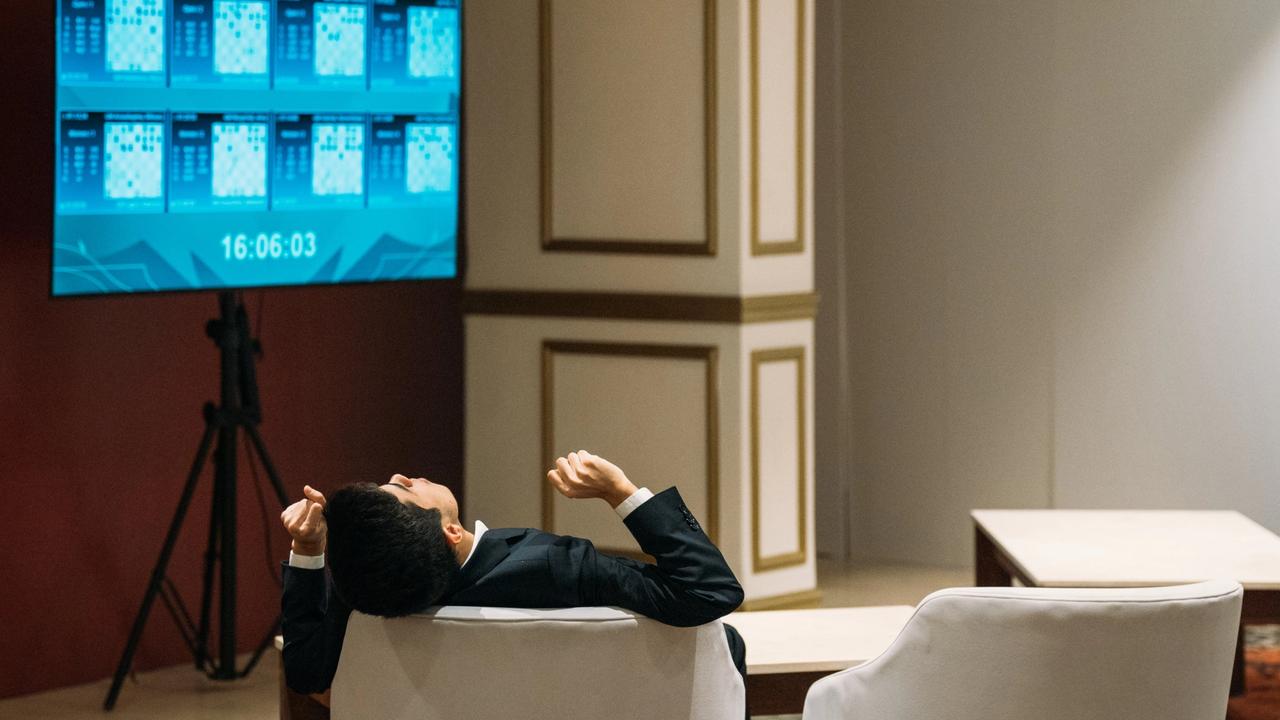
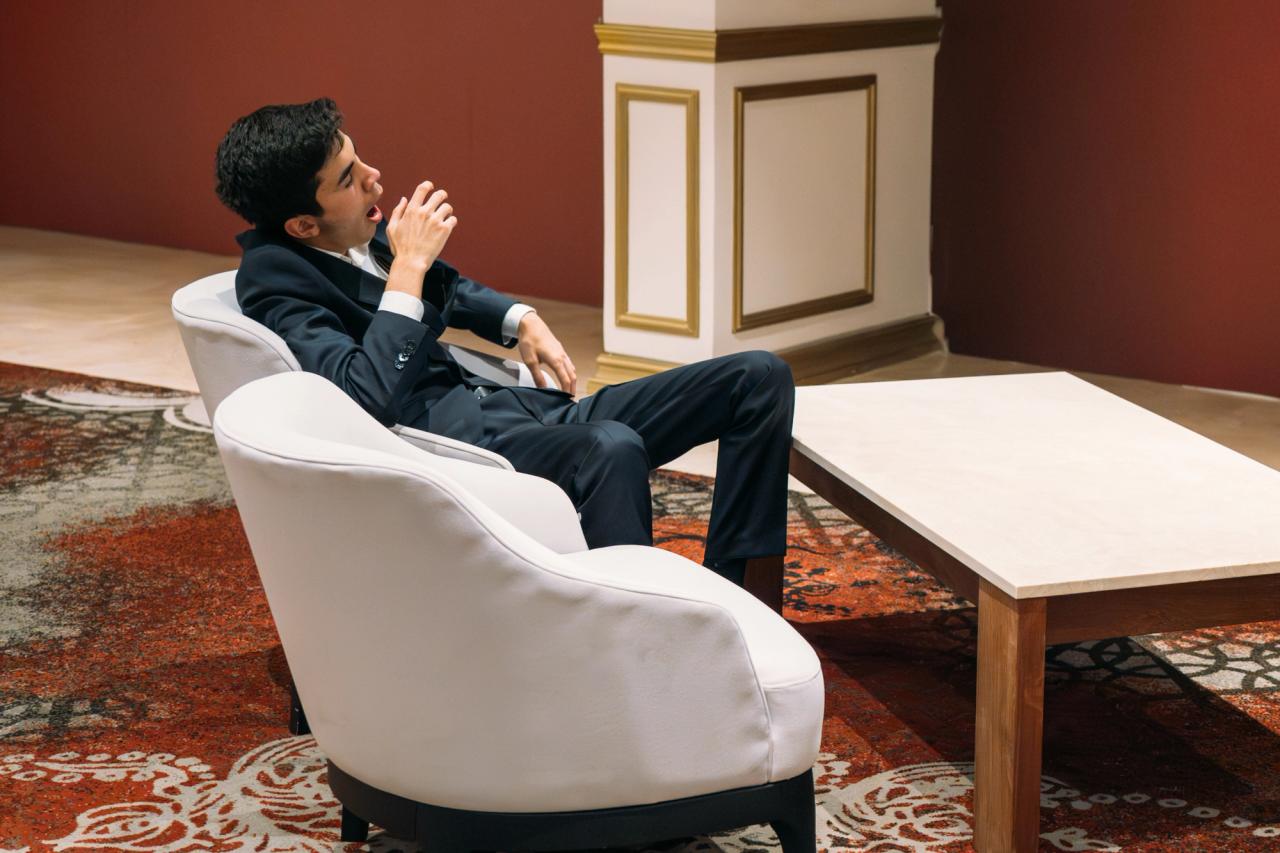
FIDE posted four photographs from the Round 5 of the 2026 Candidates Tournament in Cyprus. They showed Javokhir Sindarov, the 20-year-old Uzbek grandmaster currently destroying everyone in sight, sitting alone in a chair in a private room off the playing hall. The caption: "When your opponent takes 67 minutes for one move…"
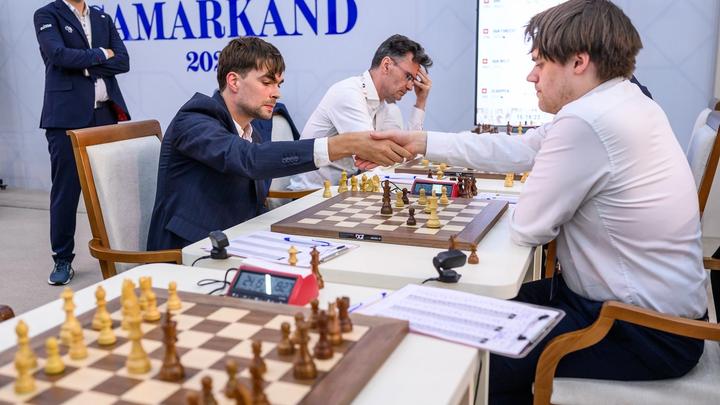
At one point in the game, Hikaru Nakamura, Sundarov’s opponent, thought for 67 minutes, chose badly, and lost a chance to win. While that was happening, Sindarov was in the relaxation room — the space chess tournaments provide specifically so players don't have to sit at the board looking at a position that isn't their problem yet. Existing privately.
A FIDE photographer was there to document this.
Peter Heine Nielsen, Magnus Carlsen's coach for sixteen years and therefore a man who has logged serious hours in exactly these rooms, posted his objection: "Why do we think we have the right to see photos of players when they are in their relaxation rooms? They should be allowed a safe haven, where they do not have to care about if a photo is taken."
This is correct. It also contains an irony Nielsen didn't mention, possibly because he's more polite than this article needs to be: nobody would have posted those photos if Sindarov had lost, probably.
This always puzzled me.
— Peter Heine Nielsen (@PHChess) April 3, 2026
Why do we think we have the right to see photos of players when they are in their relaxation rooms?
They should be allowed a safe haven, where they do not have to care about if a photo is taken. https://t.co/rR07OPtTXr
The privacy violation is a trophy
This is the actual structure of what happened. A photographer followed Sindarov into a private space. The photos were published because Sindarov is the most interesting person at the tournament right now. He has now beaten the world numbers two and three in consecutive rounds and sits at 4.5 out of 5. The relaxation room became a content opportunity because the person inside it matters.
Which means the invasion of privacy is, functionally, a reward for playing well. Lose in round five, nobody follows you into the room where you're quietly coming to terms with it. Win four of your first five games against the best players on earth, and suddenly your private chair is atmosphere.
Chess has an unusually honest version of this problem because the relaxation room is an unusually honest institution. Other sports don't have one. A tennis player doesn't leave mid-match to go sit in a lounge while their opponent decides what to serve. A footballer doesn't wander to a private area during a corner kick. Chess does this because classical chess involves waiting — sometimes an hour, sometimes more — while your opponent thinks, and making a grandmaster just sit there watching would be its own kind of cruelty. The relaxation room is a solution to a chess-specific problem. Which is why the camera in it is a chess-specific violation.
What Nielsen knows that the caption doesn't
Nielsen isn't just a concerned observer. He spent sixteen years being the person a world champion walked back to between moves. He knows what the relaxation room is for in a way that a social media manager writing "when your opponent takes 67 minutes" does not. It's not atmosphere. It's not content. It's where you go to stay sane enough to come back and play.
The photographs of Sindarov are not great, as it happens. He is clearly not thinking that he is being photographed.
That's the problem.
The question isn't whether the photos are good. It's whether the room is public. It isn't. Chess just hasn't decided that officially yet.
The 2026 FIDE Candidates Tournament continues through mid-April in Cyprus. Sindarov leads.