Would You Like To Rule The Chess World? FIDE Reveals What It Takes To Get Elected
FIDE has published the roadmap for its 2026 presidential election. But in the world of chess politics, everyone already knows the real requirements.
There are easier ways to become a minor geopolitical figure. Some involve fewer nomination forms.
On Tuesday, FIDE published its new election timetable for 2026 laying out, in wonderfully bureaucratic detail, how one may seek the presidency of the world chess federation. There are deadlines. Continental requirements. Electoral commissions. Endorsement letters. Constitutional clauses. A lot of PDFs.
Officially, the process is straightforward. Gather support from federations across the continents, assemble your ticket, submit your papers, campaign nobly for the future of chess, and let democracy take its course.
Unofficially? Everyone in chess already knows the real entry requirements.
First, it helps enormously if the Chess Federation of Russia, and by common assumption, the Kremlin, is behind you. That's not an endorsement everyone will get. Second, it helps if you are independently wealthy, or have access to someone who is. Preferably both.
That has been true for decades, and there is absolutely nothing in the freshly announced 2026 process to suggest 2026 will play out any different.
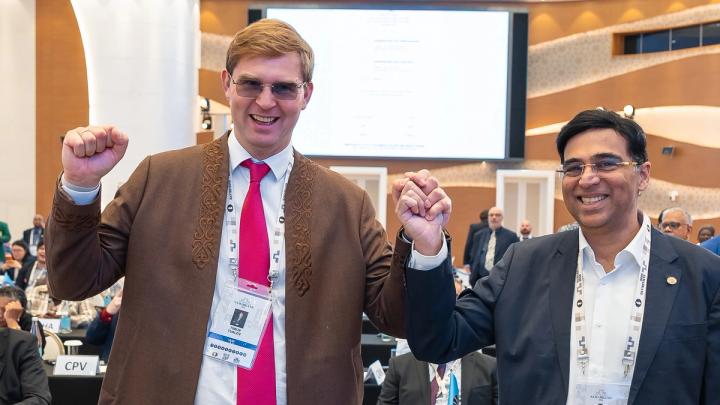
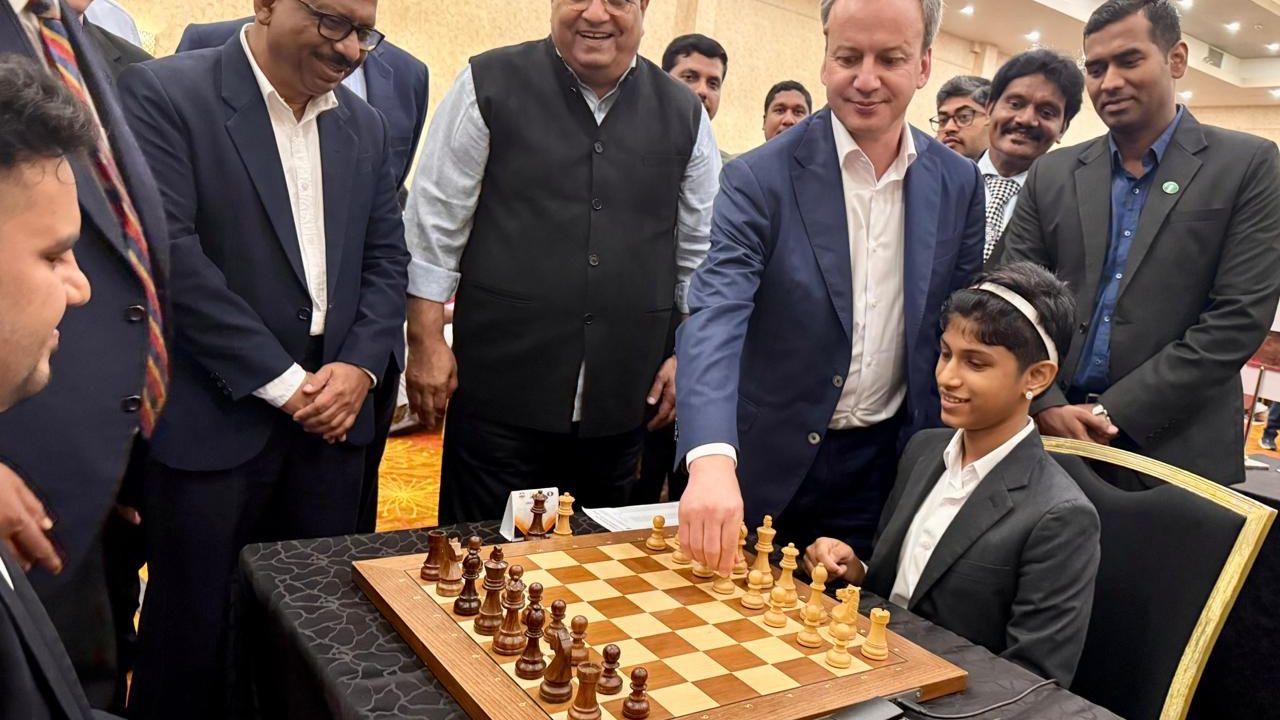
The current president, Arkady Dvorkovich, was in Sri Lanka this week opening the Commonwealth Chess Championship 2026. He swept to re-election in 2022 by 157 votes to 16, a margin so comprehensive it resembled a Soviet referendum more than a contested election.
The Sri Lanka trip was also a special moment to recognise two outstanding contributors to global chess: Bharat Singh Chauhan and Luxman Wijesuriya.
— Arkady Dvorkovich (@advorkovich) May 17, 2026
For five decades, both have devoted enormous energy to building chess across Asia and the Commonwealth - through events, federation… pic.twitter.com/Jw65C8t8DS
His political pedigree has never been hidden: former Russian deputy prime minister, former Kremlin insider, former World Cup organiser. In recent weeks Dvorkovich has been travelling the world spreading the word of chess, conveniently before the election campaign formally begins.
The 54-year-old has also been accused of breaking FIDE's strict election rules, which the federation has denied. Right now, every allegation is potentially politically motivated.
Make no mistake, the idea that global chess somehow exists as a pure sport outside geopolitics has long since been abandoned.
The current president is able to run again because FIDE quietly removed presidential term limits in 2023, conveniently clearing the path for Dvorkovich to campaign in 2026. Was there protest during FIDE's General Assembly meeting when the motion was pushed through? Only a little.
Potential challengers are already circling. Former president Kirsan Ilyumzhinov—alien enthusiast, sanctioned former Kalmyk leader—is reportedly making noises about another run.
Then there is Wadim Rosenstein, the German organiser increasingly spoken of as the candidate of the Western federations and reform-minded administrators.
Rosenstein, the man behind the WR Group series of events, has money, connections, and perhaps most importantly, the willingness to spend both on a campaign most sane people would avoid entirely.
But for Rosenstein, GM Garry Kasparov's unsuccessful run in 2014 is a warning from history. Kasparov, the greatest name in chess at the time, enlisted U.S. chess benefactor Rex Sinquefield as his nominee.
Sinquefield backed the campaign with huge funding, reportedly $20 million, but the incumbent Ilyumzhinov won the election 110-61. Why? It helped having Russia on his side.
Because that is the part rarely stated openly: running for FIDE president is ruinously expensive, and even then it isn't enough.
Once in post you travel constantly. You attend congresses, youth events, continental championships, development seminars, federation dinners, and receptions in hotels with carpets patterned like Cold War diplomacy. You smile through speeches about "the future of chess in the region." You promise support programmes. You build alliances. You fund visibility. You learn very quickly that every federation, no matter how small, possesses exactly one vote.
And those votes matter just as much whether they come from India, Germany, Russia or an island nation with fewer titled players than a decent London chess club.
This, incidentally, is why billionaires and state-backed figures tend to thrive in chess politics. Idealists eventually discover that "grassroots reform movement" is not an accepted payment method.
The irony, naturally, is that chess players themselves have almost no direct say in any of this.
The world's top grandmasters may complain on X, sign open letters, or give interviews about governance, or—more likely—completely ignore the election and do nothing.
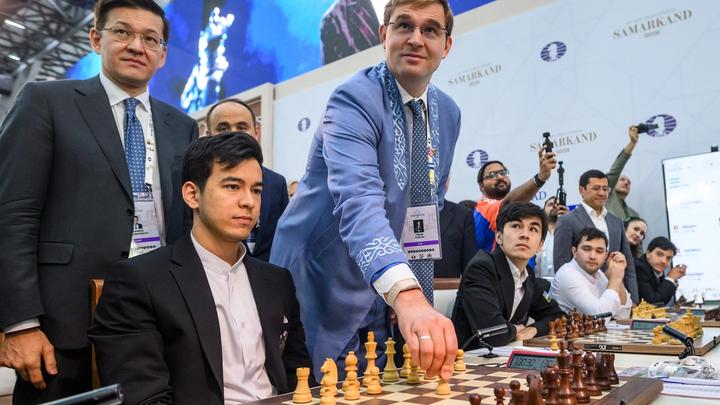
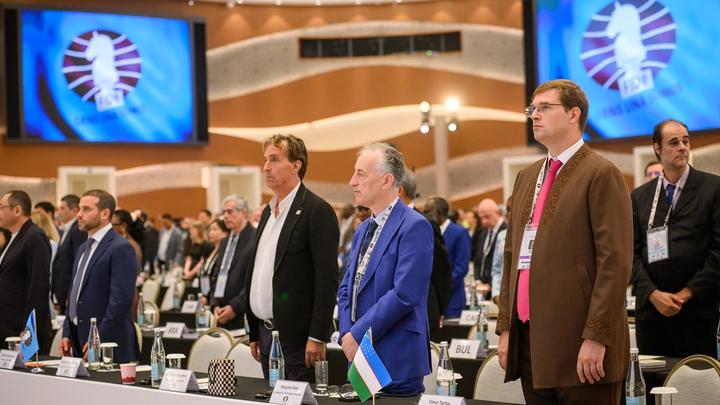
But the actual voting process that will kick into action when delegates meet in Samarkand, Uzbekistan, this September remains the domain of federations and political blocs. It is cold hard political dealing.
Still, the romance survives. Every election cycle produces whispers of reform, transparency, modernisation, digital transformation, and "bringing chess to the next level." Every candidate promises unity. Every campaign claims to represent the future.
And every veteran observer quietly checks two things first: Who has Moscow? And who is paying for dinner?