


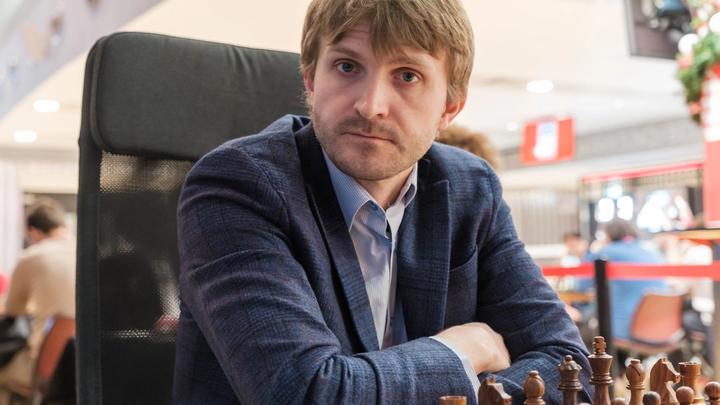
Chess is booming. We're all watching shows on Netflix about it. New events are popping up everywhere, new money is pouring into the game and England is enjoying a golden generation of young talent, the like of which it hasn't seen for decades.
So why has the country's number-one decided that being a professional chess player isn't worth it?
GM Nikita Vitiugov has revealed he has effectively quit the professional game, saying that once a player's rating falls below 2700, the economics simply don't work — particularly when you live in London.
"Economically, playing chess at a level below 2700 is not profitable," Vitiugov said in a wide-ranging interview with Russian website Sports.ru, adding that "living in London, it is particularly difficult."
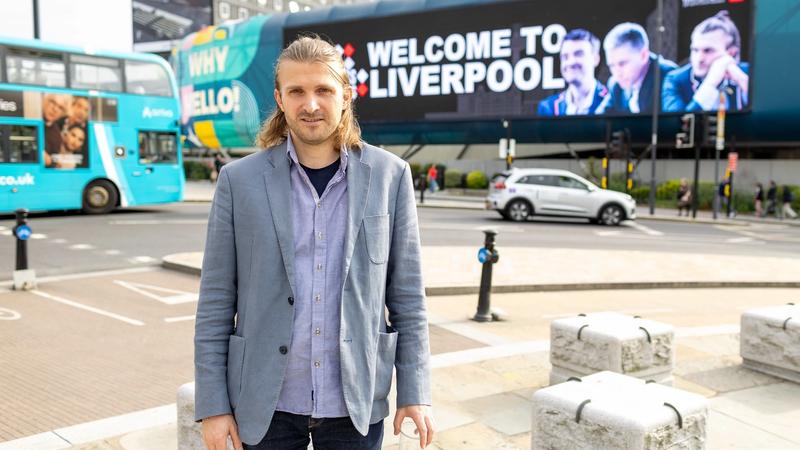
It is a striking admission from a player who is still rated 2666, England's highest-rated player and comfortably inside the world's top 100.
Vitiugov, 39, is a former Russian champion who was once rated as high as 2752 and spent years among the elite.
Leaving Russia Behind
His transfer from the Chess Federation of Russia in the aftermath of Russia's full-scale invasion of Ukraine was a major coup for the English Chess Federation in 2023.
Vitiugov was among the many Russian grandmasters who left and spoke out against the invasion of Ukraine.
He said: "I will make my position clear—you cannot defend yourself on someone else's territory. Russians and Ukrainians are brothers, not enemies. Stop the war."
Vitiugov relocated with his family first to a rented flat in East Anglia and immediately went in as England's number-one. He made his debut for England in the European Team Chess Championship in November of that year.
Since then the St Petersburg-born player has been in a constant battle with GM David Howell, who appears to prioritise commentating over competing, over the top spot in England. At the time of writing, only one FIDE point separates the two.
But since moving to the UK, and subsequently north London, the new fan of Tottenham Hotspur FC says his relationship with professional chess has gradually changed.
"I liked not so much the process of playing itself as moving forward, progressing," he said. "At some point I realised that there would be no more progress."
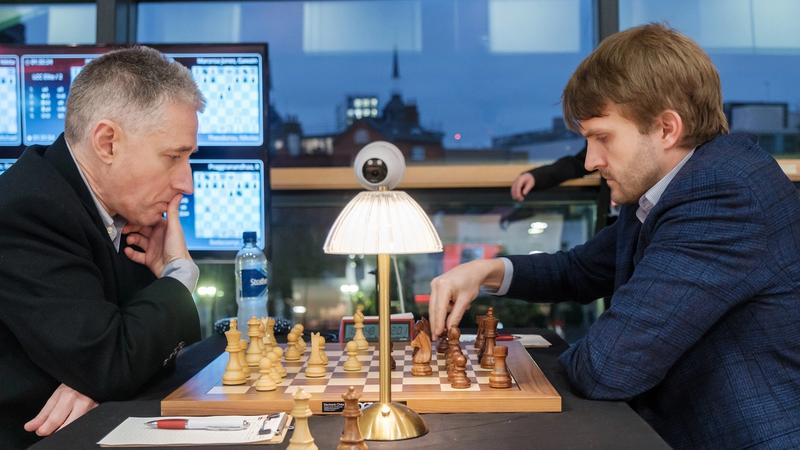
He added that playing second-tier tournaments brought him little enjoyment and that modern professional chess increasingly rewards quantity over the kind of deep investment in individual games that he preferred.
"If you want to succeed, you need to invest less and play more games," he said.
Eventually, Vitiugov decided enough was enough.
"I said goodbye to this part of my life," he said.
What's Next?
Vitiugov isn't throwing his chessboard away. He says he could still be tempted to play perhaps once a year if the conditions and location were sufficiently attractive. He may, for example, receive an invite to the annual London Chess Classic, which was announced this week.
What he doesn't want is to occupy the uncomfortable middle ground of being neither a full-time professional player nor fully committed to another role.
And there is one fairly significant engagement still in his diary.
Vitiugov will lead England at next month's Chess Olympiad in Samarkand, where the team also includes GM Gawain Jones, GM Luke McShane, GM Michael Adams and GM Daniel Fernandez. England is seeded 13th with an average rating of 2623.
Vitiugov, however, isn't talking up their chances.
Asked whether England's ageing line-up was a "team of veterans", he offered an even more brutal description.
"A team of amateurs," he said.
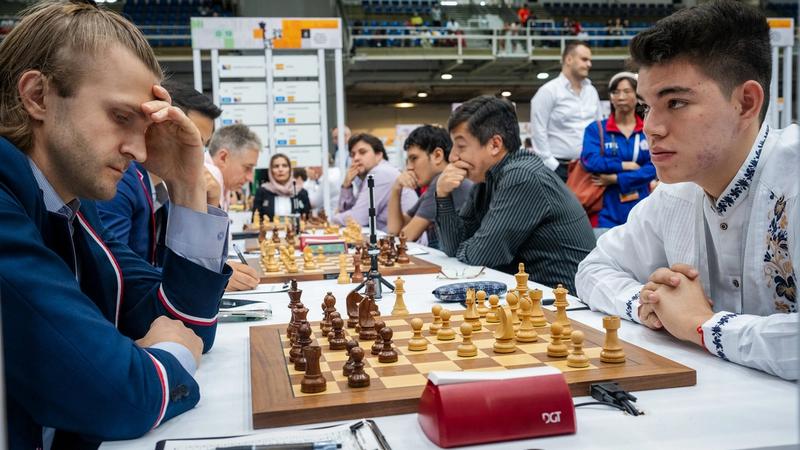
He explained that the description could be applied to any England team because chess does not have the status of a professional sport in Britain, before adding that he has "no expectations" for Samarkand and believes around 15 teams there are stronger.
That assessment comes at an intriguing moment for English chess.
Government support for elite chess was renewed last year with £1.5 million pledged to help identify and support top players capable of competing internationally.
Meanwhile, the emergence of youngsters such as 17-year-old new British Champion GM Shreyas Royal and the record-breaking 11-year-old sensation and WIM Bodhana Sivanandan, the newly-crowned youngest-ever British Women's Champion, has generated enormous optimism about the country's next generation.
Vitiugov himself has no doubts about Sivanandan's raw ability.
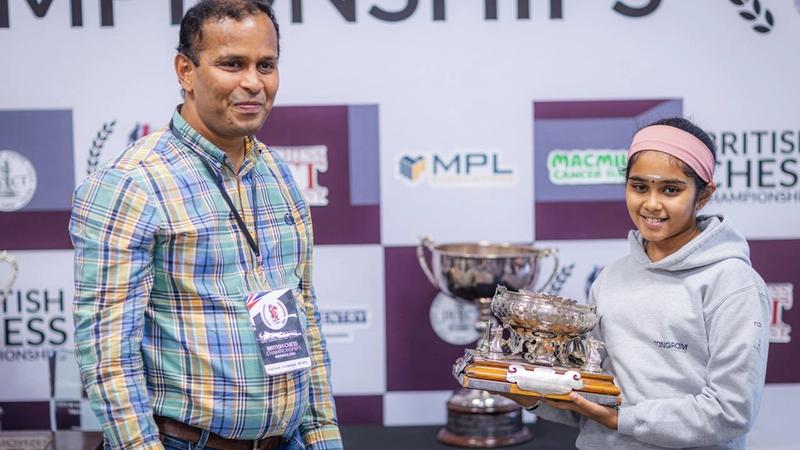
"Her colossal talent is obvious now," he said, while cautioning that the non-chess challenges she encounters while growing up will ultimately help determine the player she becomes.
But his comments also expose one of the peculiar contradictions of modern chess.
At the very top, there has arguably never been more money. New tours and formats have brought multi-million-dollar investment into the game, while the Esports World Cup has added another lucrative destination for a small group of elite players.
Move only slightly down the rankings, however, and Vitiugov's experience suggests the picture can look very different.
A 2666-rated grandmaster can be the No.1 player of a major chess nation, represent his country at the Olympiad and remain among the strongest players on Earth — and still conclude that being a professional chess player doesn't pay.
For all the talk about chess's boom, that may be the more revealing number than his rating.
Read Nikita Vitiugov's full interview on Sports.ru.