Carlsen's Conundrum: Elite Chess Is Bursting at the Seams
The Grand Chess Tour Finals, the climax of one of the most prestigious competitions in chess, have begun. Yet, these days, chess doesn't seem to have much of a climax. It just keeps going.
It's a good problem for the game to have.
Elite chess is bursting at the seams. There are more major tournaments, more prize money, more formats, and more opportunities to watch the world's best players than perhaps at any point in the game's history.
Perhaps because more than ever, it seems there is more money in the game and sponsors wanting to put on their own events.
The problem is finding somewhere to put it all.
Watch the Day 1 recap of the GCT Finals and get ready for another exciting day of top-level chess! 🔥♟️#grandchesstour #GCTFinals pic.twitter.com/s53WdapAFq
— Grand Chess Tour (@GrandChessTour) August 23, 2026
We have already seen what happens when the calendar runs out of room. This summer, the Esports World Cup collided with the Grand Chess Tour's St. Louis swing, forcing some of the biggest names in chess—and the fans who follow them—to choose between two major events taking place at the same time.
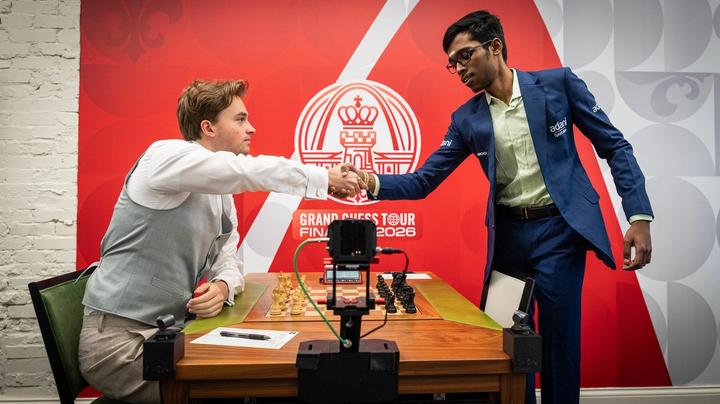
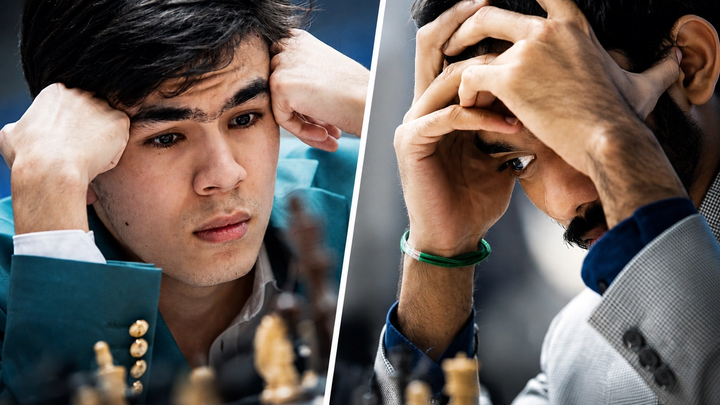
Right now, the 2026 Grand Chess Tour finals are under way in St. Louis with GMs Vincent Keymer taking on Praggnanandhaa R and the relative oldies GM Fabiano Caruana and the resurgent Sinquefield Cup champ GM Wesley So squaring off for a tilt at the title and the lion's share of the $450,000 prize fund.
Day 1 finished with draws in both clashes—although they were highly entertaining with Caruana, in particular, having to use all his skills to survive unscathed. Day 2 of the classical chess semi-final matches starts on Sunday at 7pm CEST, you can watch it here:
The event is multi-format and there are rapid and blitz semi-final matches to come before the final of the Finals kicks off on August 27.
When the GCT Finals end, and a winner is crowned, it will bring a jam-packed August to a close.
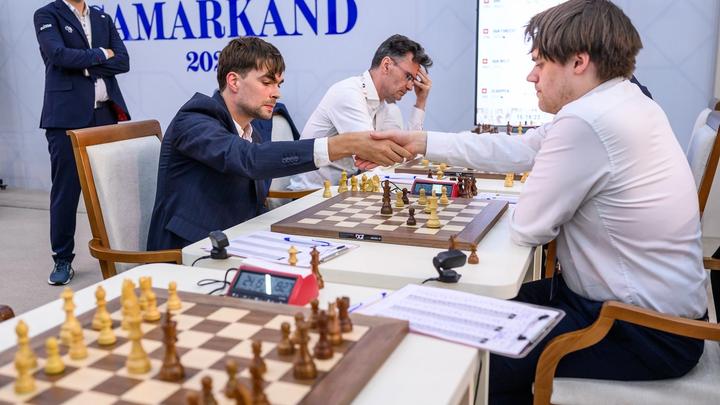
Between now and Christmas, the elite calendar barely pauses. September brings a rapid turnaround from the fourth season of the Tech Mahindra Global Chess League in Bengaluru, India, to FIDE's showpiece team tournament, the Chess Olympiad in Samarkand.
November produces an even tighter squeeze, with just three full days separating the end of the new Total Chess pilot in Budapest and the start of the biggest and most prestigious of them all, the FIDE World Chess Championship match in Geneva. With Game 1 of the title decider starting on November 24, just days separate these two huge, headline-grabbing events.
Rounding off the month is the U.S. Masters, which takes place from November 25 to November 29 in Charlotte, North Carolina.
Several more top events are yet to be announced, such as the KazChess Masters and the annual London Chess Classic, which looks set to run over the World Championship. The chess-watching public needs to have the appetite for all this.
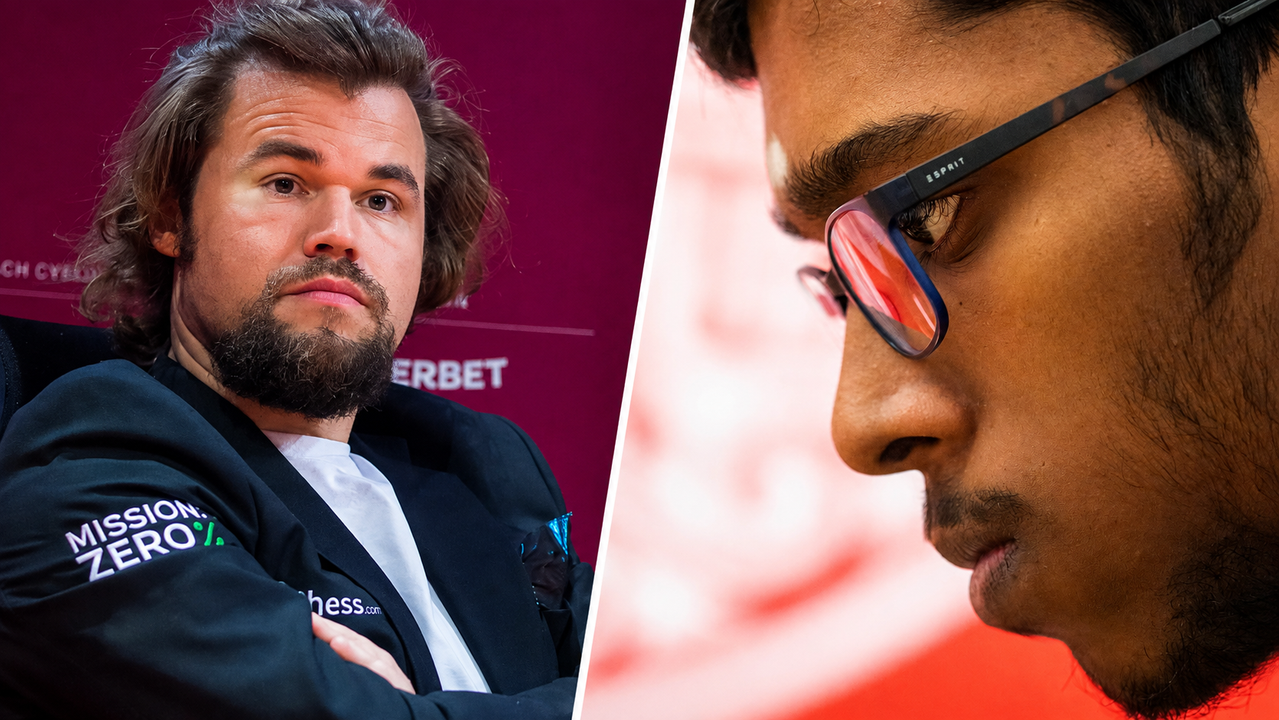
Then there is now enigmatic, in terms of his appearances, GM Magnus Carlsen.
The world number one won't be competing in Geneva, of course, but he remains the player every organiser wants and every major event benefits from having. But despite the demand to perform, even Carlsen cannot be everywhere, and appears not to want to be.
Carlsen has more freedom than almost anybody else at the top of the game. He no longer has a classical world title to defend, can afford to reject events that do not appeal to him, and remains the player organisers most want in their field.
The Esports World Cup got Magnus. The Olympiad will not: Carlsen is not in Norway's team for Samarkand. Total Chess has him confirmed for Budapest. Then there is the question of what else he chooses to play before the traditional end-of-year rapid and blitz championships.
So which competitions will he actually choose?
As elite chess becomes richer, busier and increasingly fragmented between competing tours, formats and organisers, the question for Carlsen—and for many of the true elite players—is becoming increasingly difficult to avoid:
How do you choose where to play?