'Purely Politically Motivated': FIDE's World Cup Revamp Sparks Backlash
First, it was football fans getting their heads around a new format for a beloved tournament. Now, it's chess.
FIDE, the governing body of chess, dropped a bombshell on the chess world this week—a controversial, but intriguing shake-up of its much-loved World Cup.
The world chess federation announced on Tuesday that its council has approved a new format for both the Open and Women's World Cups beginning in 2027.
The event's traditional gruelling—and often brutal—month-long single-elimination tournament will be replaced by a hybrid system featuring Swiss qualification pools followed by a knockout stage.
The federation says the changes will make the tournament shorter, more accessible, and more rewarding for players while preserving its status as one of the key gateways to the Candidates Tournament.
The new format has been designed to preserve the unique identity of the FIDE World Cup while adapting it to the evolving needs of modern chess. We believe that the combination of Swiss qualification and knockout finals will offer a more engaging experience for both players and… https://t.co/qbdCJC06cp
— Arkady Dvorkovich (@advorkovich) July 13, 2026
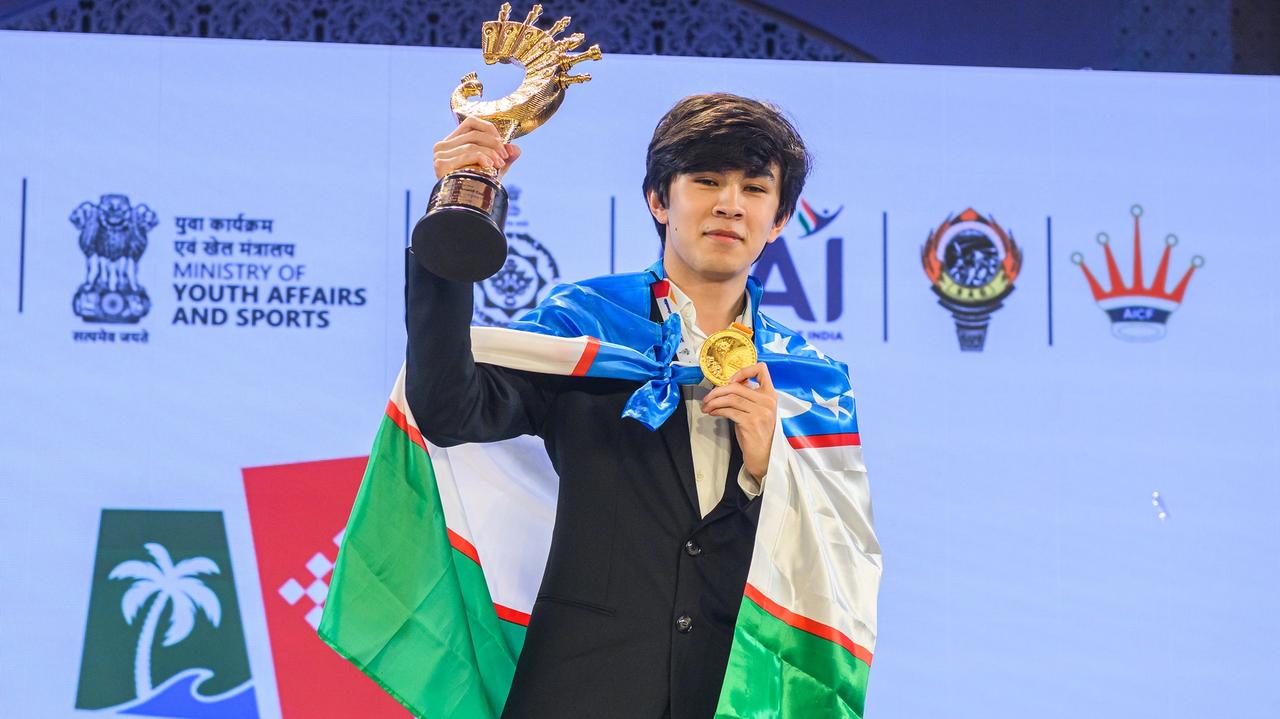
Under the new system, the Open World Cup, won last year by GM Javokhir Sindarov, will begin with four nine-round Swiss tournaments. The top four finishers from each pool will qualify for a 16-player knockout.
The Women's event, which takes place separately, will use two Swiss pools feeding an eight-player knockout. Prize funds will increase and the overall duration of the event will be significantly reduced. Last year, the Women's event was held in Batumi, Georgia, and was won by Indian GM Divya Deshmukh.
The announcement has already prompted lively debate across the chess community.
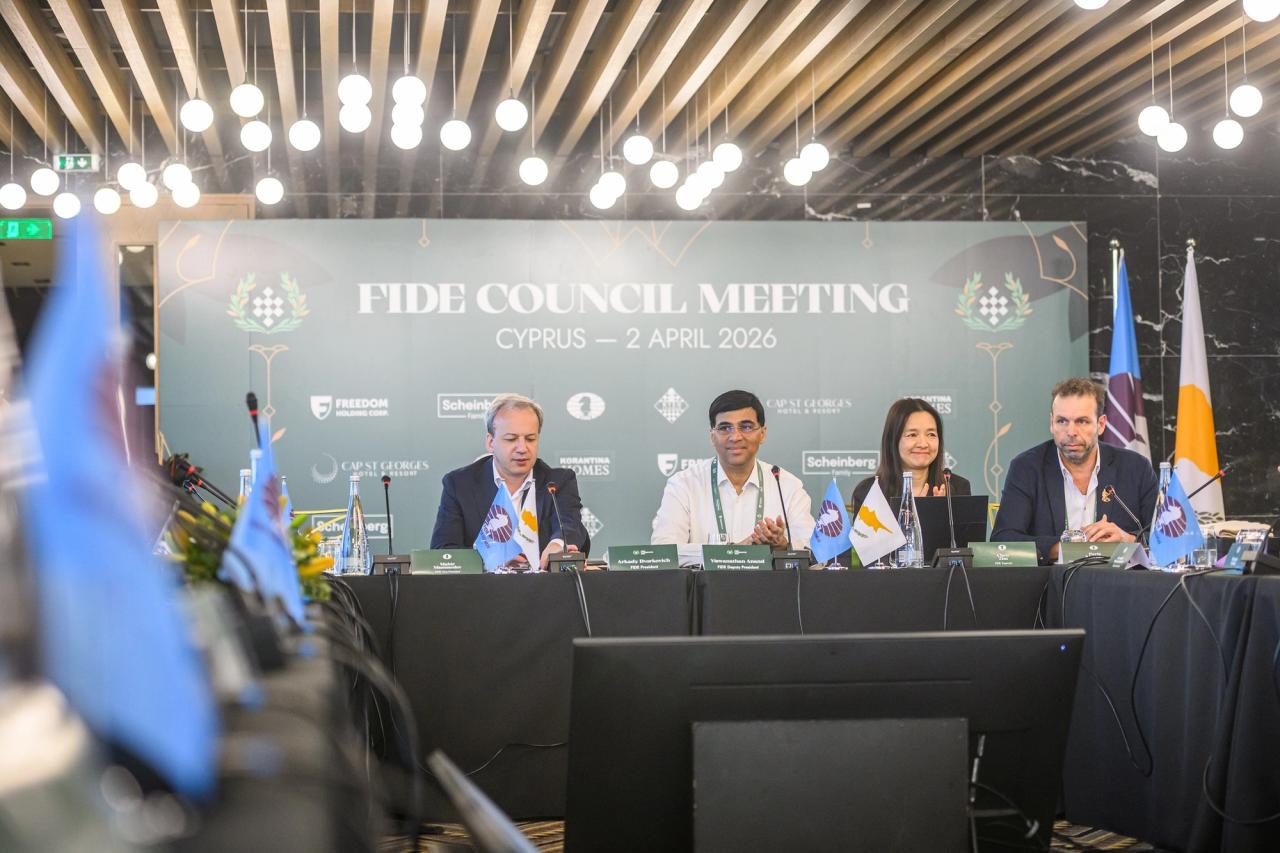
One of the strongest early criticisms came from Danish GM Peter Heine Nielsen, the longtime second of GM Magnus Carlsen and a candidate for FIDE deputy president in this year's election.
Responding to FIDE's announcement on X, Nielsen argued that the decision was driven by politics rather than sporting considerations.
Both FIDE and FIFA are enlarging the participant numbers in their World Cup.
— Peter Heine Nielsen (@PHChess) July 14, 2026
Both have upcoming Presidential elections.
Do not look for sporting reasons, when they are purely motivated politically, with the aim of reelection.
They want to please delegates, not players, nor fans.
"Both FIDE and FIFA are enlarging the participant numbers in their World Cup. Both have upcoming Presidential elections. Do not look for sporting reasons, when they are purely motivated politically, with the aim of reelection. They want to please delegates, not players, nor fans."
Nielsen's comments refer to the upcoming FIDE presidential election, in which incumbent president Arkady Dvorkovich is expected to seek another term.
Campaigning for the election is well underway. FIDE's president is elected by delegates from the federation's member federations rather than by players, which often means big decisions made during the run-up become a source of political debate.
Azerbaijani GM Nijat Abasov, the 2024 Candidates tournament entrant, told idman.biz: "Essentially, these are two different tournaments now. We haven't played this format yet, so it's hard to say how it will work. But I'm still a supporter of the old system."
It had been argued that the outgoing format has become unwieldy. With more than 200 participants, the 2025 World Cup stretched to nearly four weeks, creating scheduling challenges for the top players while making it difficult for federations and organisers to fit the event into an increasingly crowded calendar.
Let me play devil’s advocate for a moment and try to explain the possible reasoning behind FIDE’s World Cup changes.
— Anish Giri (@anishgiri) July 14, 2026
Whether you like the new format or not, I think it’s useful to first ask what problem they were actually trying to solve.
Some of the changes are easy to…
Last year, the London Chess Classic was uncertain about its entrants due to an overlap with the World Cup. As it happened, Indian superstar GM Praggnanandhaa R ended up playing in the Open section taking on amateurs.
A shorter tournament could also reduce accommodation costs and make participation more practical for players from smaller federations.
But what sets pulses racing in the World Cup is the knockout matches, where a single bad day can eliminate even the strongest contenders.
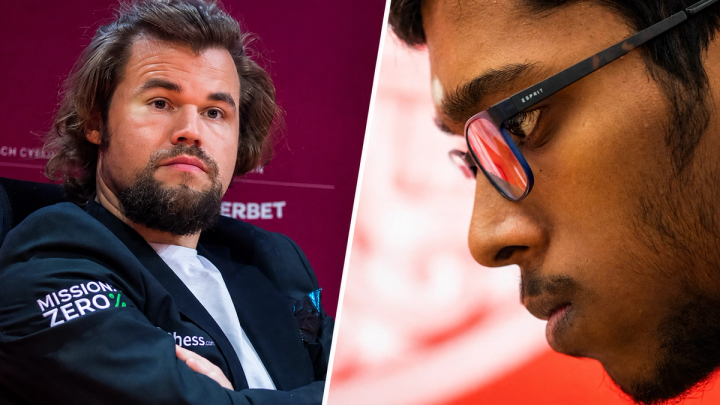
Until three years ago, the World Cup was the only tournament missing from the great Carlsen's immense collection of victories. He won his first and only FIDE World Cup title in August 2023 in Baku, Azerbaijan. Carlsen, the world number-one, chose not to participate in last year's edition in Goa, India.
Nine rounds provide players with more opportunities to recover from an early setback while ensuring that qualification for the knockout is based on sustained performance rather than one difficult pairing.
Not everyone is convinced.
The World Cup has earned a reputation as one of chess's most dramatic events precisely because every match carries enormous consequences.
Giant-killings, sudden eliminations, and marathon tiebreaks have become defining features of the competition. Critics worry that introducing a Swiss phase could dilute that tension, replacing immediate jeopardy with a more gradual qualification race.
There are also sporting questions. Swiss tournaments inevitably involve complex tie-break systems, and some observers have questioned whether qualification for the knockout should depend on Buchholz scores or other secondary criteria rather than direct head-to-head match play.
Another issue likely to be debated is competitive balance. While FIDE says the Swiss pools will be balanced by strength, players and fans will closely examine the draw to ensure that each section offers comparable routes into the knockout stage.
Whether the new structure proves popular will only become clear when it debuts in 2027.