FIDE President Is Sanctioned. Who Is Running Chess Now?
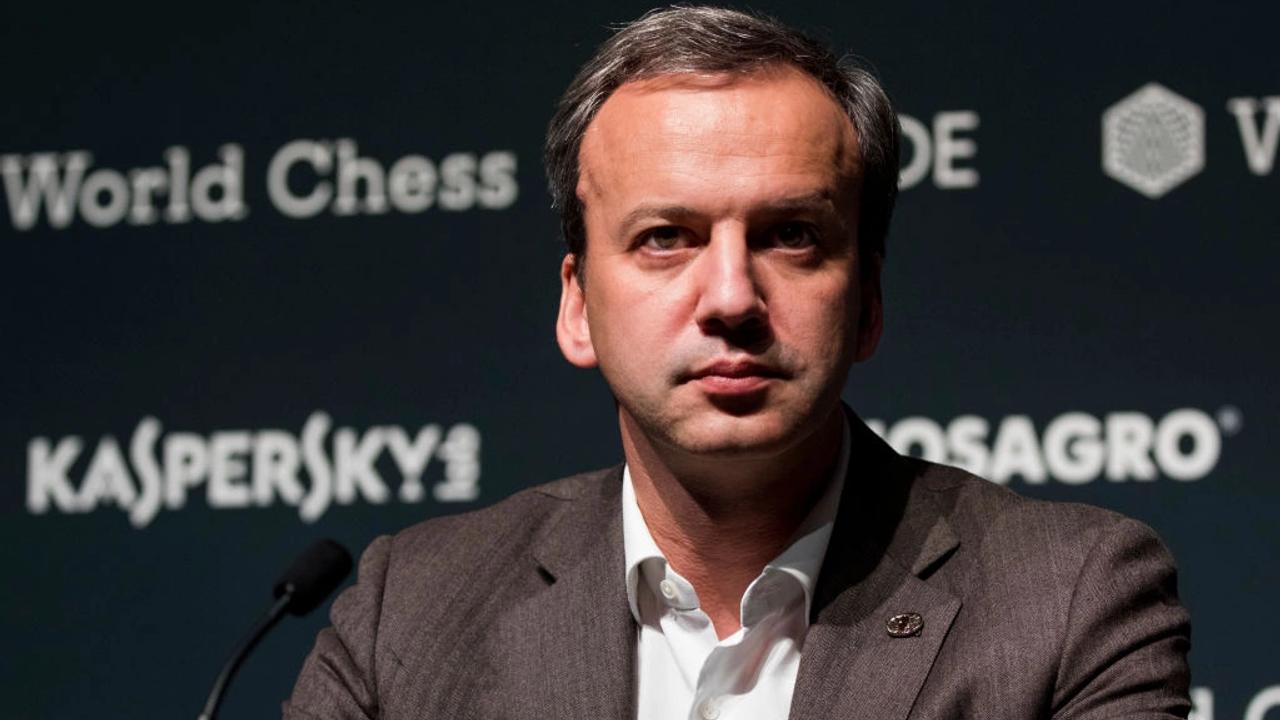
The EU sanctioned FIDE president Arkady Dvorkovich on Wednesday. By nightfall he had suspended his own powers, handed the federation to a five-time World Champion, and turned this fall's election upside down.
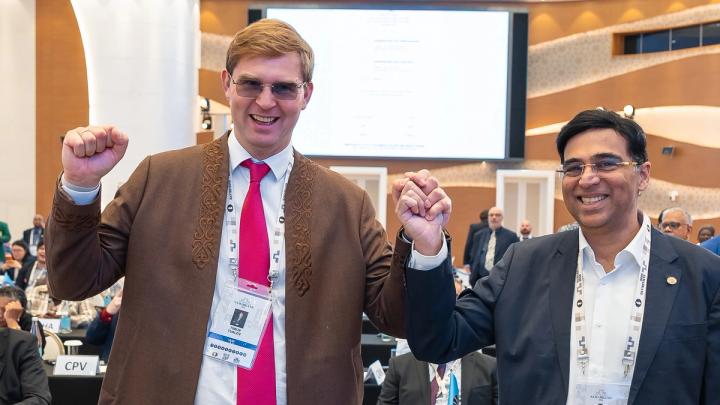
Chess woke up Thursday with a new boss it never elected. Arkady Dvorkovich — the Russian economist and former deputy prime minister who has run FIDE since 2018 — appeared on the EU's 21st sanctions list Wednesday, and within hours did something sanctioned sports officials almost never do: he took himself out of the game. His powers now sit with Deputy President Viswanathan Anand, the 15th World Champion and the first title-holder to run the federation since Max Euwe in the 1970s. Here's what people actually want to know.
Is Dvorkovich still FIDE president?
Technically yes, functionally no. He suspended — not resigned — his powers, "with immediate effect and for as long as I remain subject to sanctions." He called the EU's decision "unlawful and unfair" and says he'll fight it "by all possible means." If a court tosses the sanctions, his authority snaps back automatically. However, FIDE elections are in three months, and he will probbaly not seek reelection.
Why did he have to step aside at all?
Swiss law. FIDE is registered in Switzerland, and a sanctioned individual can't legally act as "owner, holder or controller" of its assets — meaning every bank account, sponsorship, and contract would have become a compliance land mine with him in the chair. FIDE knows exactly how that movie ends: when the U.S. sanctioned then-president Kirsan Ilyumzhinov in 2015, he clung to office and the federation spent years begging banks to take its money. Dvorkovich, to his credit, declined the sequel. The Council ratified the handover the same day, charter articles pre-cited — the unmistakable tidiness of a contingency plan that had been sitting in a drawer since February, when Brussels nearly sanctioned him the first time.
Why was he sanctioned?
The package — 250 names, plus banks, tankers, and Russia's sports minister — is part of the EU's pressure campaign over the war in Ukraine. Kyiv, which pushed for the listing, says Dvorkovich used his position to "legitimize Russia in world sport." He has been under Ukrainian sanctions; Brussels has now followed. He disputes all of it, and the dispute is headed to court.
Does this change anything for actual chess?
For players and fans: nothing. Tournaments proceed, ratings get calculated, the Olympiad is still on. That was the whole point of moving fast — the suspension exists precisely so the sport doesn't feel it. The person now signing off on it all is Anand, 56, five times a World Champion and roughly the only figure in chess politics without a faction that hates him. He takes over at the exact moment the sport's center of gravity has moved to his home country — India has the reigning teenage World Champion and the deepest pool of young players on earth.
So what's the real fallout?
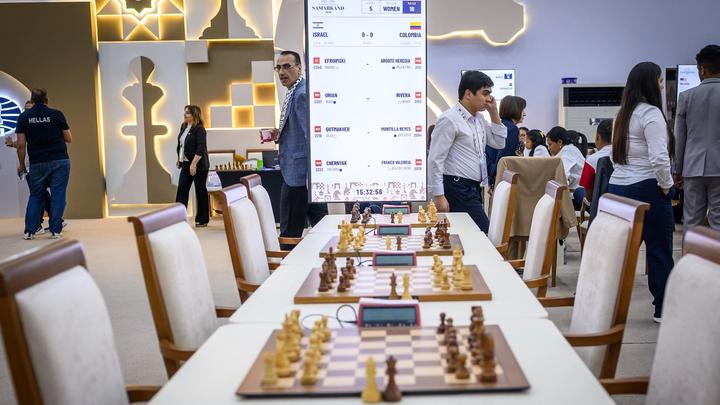
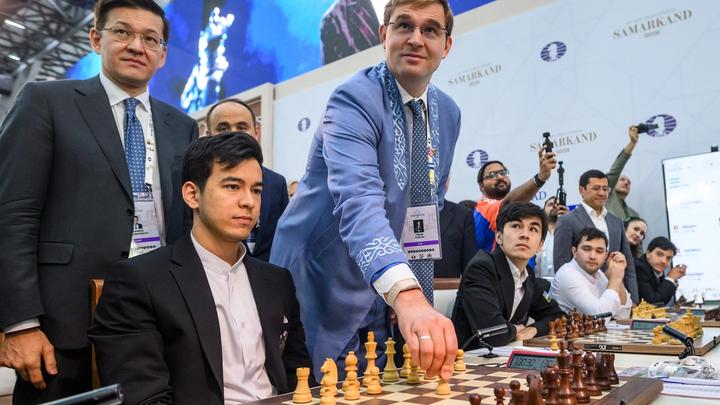
The election. FIDE picks its president this September–October in Samarkand, at the General Assembly alongside the Olympiad, and until Wednesday this was shaping up as a procession: Arkady Dvorkovich seeking a third term with support reportedly locked in across Africa and Asia. Candidacy papers are due within days. This substantially changes the election dynamics and basically rests on whom Dvorkovich will pick as a heir apparent. He or she will get the connections and good will of the federations that supported Mr. Dvorkovich.
What happens next?
Anand runs the federation through the summer. Dvorkovich's lawyers go to work. And ten weeks from now, in Samarkand, chess will probably have a new boss.