Donetsk Team Competes In FIDE-Rated Russian Championship Despite Ukraine Protest
A little-noticed tournament in Sochi has become the latest flashpoint in the dispute over Russian chess in occupied Ukraine, raising uncomfortable questions for FIDE's new president, Timur Turlov.
Right now, the prestigious U.S. Chess Championships are taking place in Saint Louis, while the European Club Cup, with a record number of teams competing, is underway in Budva.
But at an otherwise unimportant chess tournament in the Russian resort city of Sochi, a controversy is raging.
It is impossible to ignore, because it strikes at the heart of FIDE's credibility, its commitment to international law and its willingness to enforce its own rules.
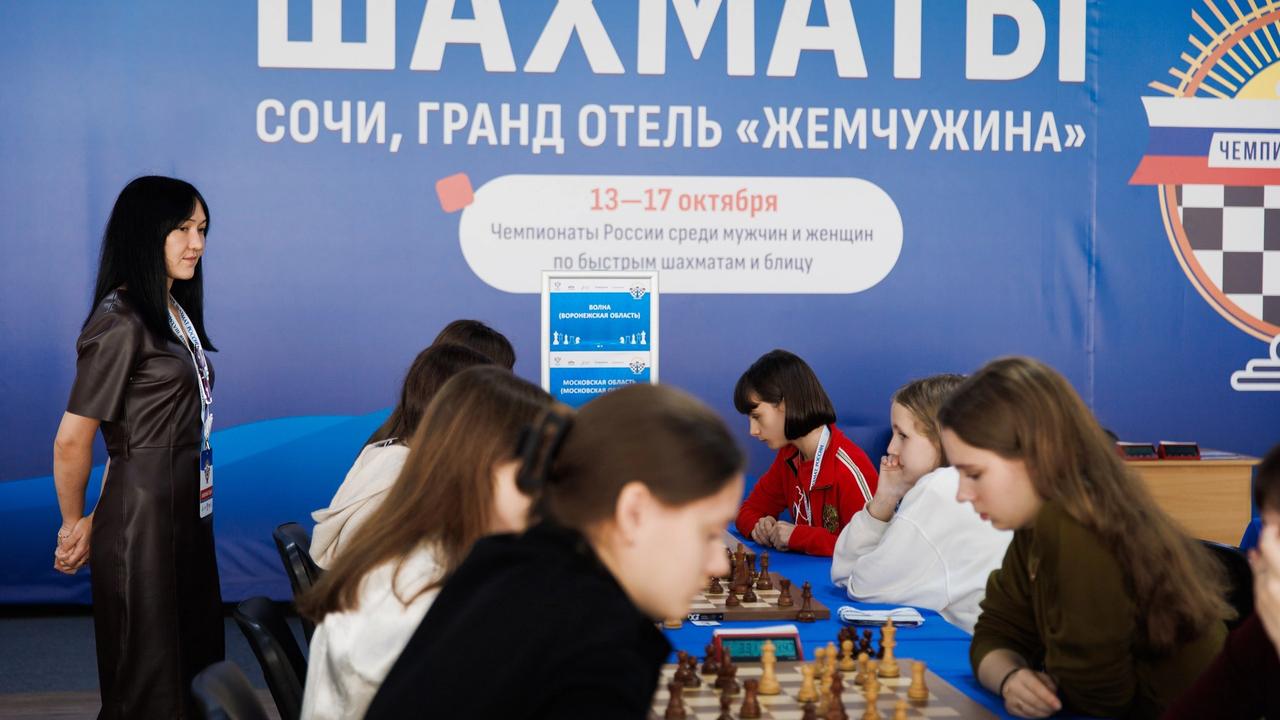
At the centre of the dispute is a women's team from Russian-occupied Donetsk, competing under the name "Friendship of the Peoples of Russia" in a national championship that remains registered for FIDE rating despite a formal protest from Ukraine. The event is the Russian Team Rapid and Blitz Championships.
The Russian 🇷🇺 Rapid Team Championship has started. In 4. place is the "Friendship of the people of Russia 🇷🇺 " team, from illegally occupied Donetsk 🇺🇦 The Ukrainian 🇺🇦 Chess Federation has officially protested to FIDE, who however not even cared to reply. @TurlovforChess https://t.co/0yG5fVHWJO
— Peter Heine Nielsen (@PHChess) October 17, 2026
That name alone is provocative. But the real controversy is that the team is representing territory internationally recognised as Ukrainian in a Russian national championship registered for FIDE rating.
And despite a formal protest from the Ukrainian Chess Federation (UCF), the team has not merely remained on the entry list. It has played.
By Saturday evening, "Friendship of the Peoples of Russia" had completed five matches in the women's rapid competition, winning two, drawing one and losing two. It stood sixth among 14 teams.
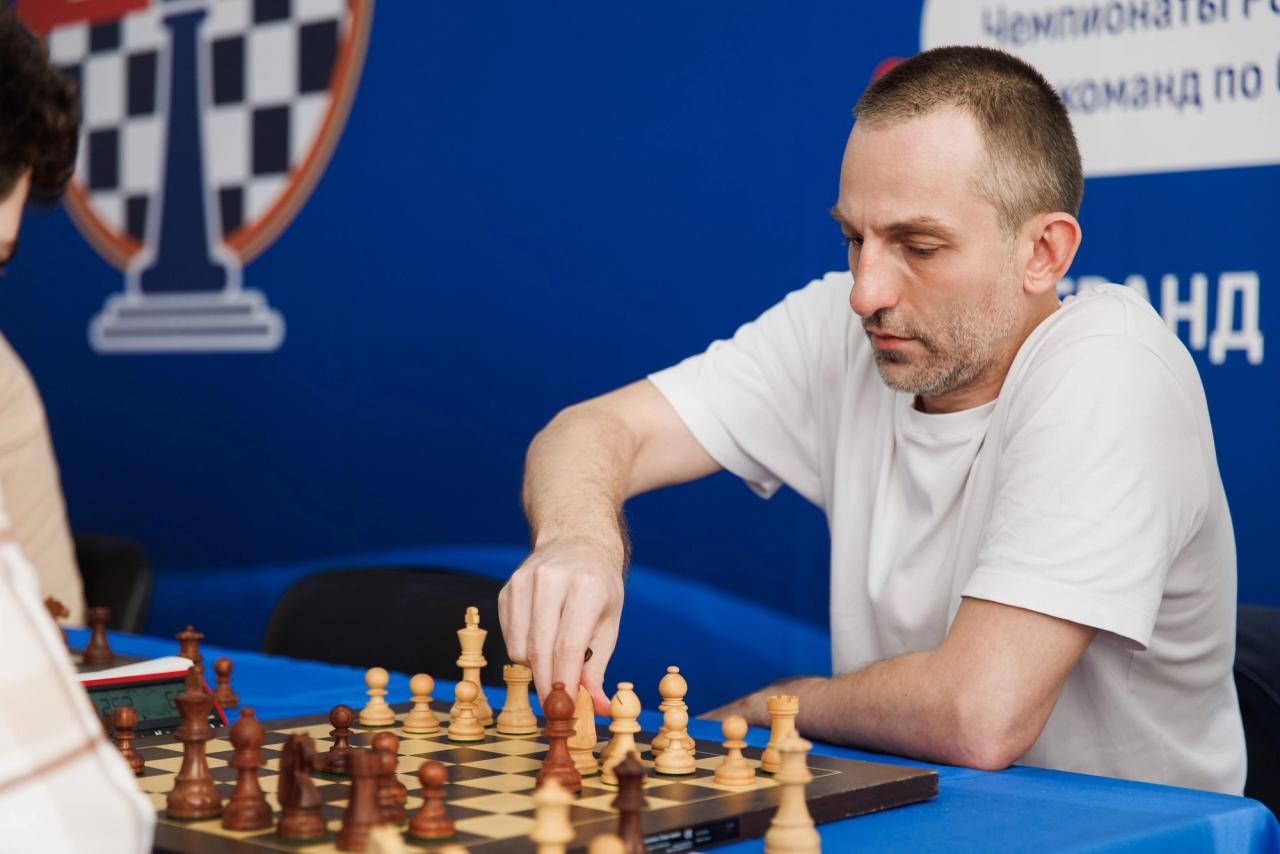
The official tournament entry on Chess-Results identifies the team as representing the self-proclaimed Donetsk People's Republic, which Russia claims as its own despite the region remaining internationally recognised as part of Ukraine.
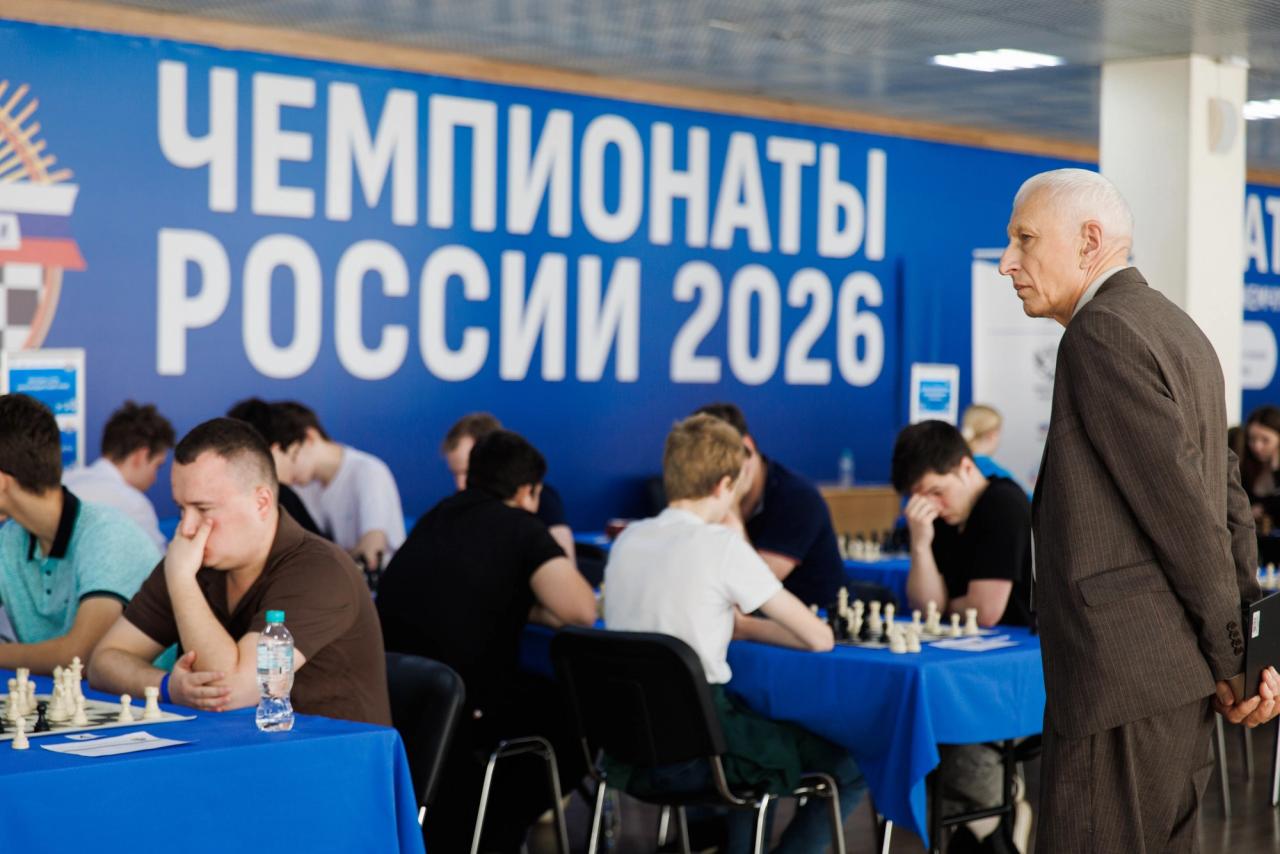
The competition, held at Sochi's Zhemchuzhina Grand Hotel, is registered with FIDE under event number 495661. The Chess Federation of Russia (CFR) published a report on the results here.
The significance goes far beyond the results of a minor national championship.
Russia's Suspension
In June, FIDE took the extraordinary step of suspending the CFR after it failed to comply with a ruling by the Court of Arbitration for Sport (CAS).
The case originated in Russia's incorporation of chess organisations from occupied Ukrainian territories into its national federation and its continued organisation of chess activities in those regions.
Ukraine argued that Russia was violating its territorial integrity and the FIDE Charter.
In 2024, FIDE's Ethics and Disciplinary Commission found against Russia. The dispute subsequently reached CAS, which ruled in March 2026 that the CFR must cease its activities in occupied Ukrainian territories and relinquish control over the chess organisations concerned.
Russia was given 90 days to comply.
When that deadline expired on June 9, FIDE concluded that the conditions had not been met.
The following day, the FIDE Council announced the suspension of Russia's membership, while emphasising that eligible individual Russian players could continue to participate in international chess.
It was a landmark moment for a federation representing the country that had dominated world chess for much of the twentieth century.
The suspension remained in place following September's FIDE General Assembly in Samarkand, where an attempt to restore Russia's membership failed.
Yet four months after the CAS ruling, and with the CFR still suspended, a team openly representing occupied Donetsk is competing in a Russian national championship.
Ukraine Demands Answers
The Ukrainian Chess Federation raised the alarm before the championships began.
GM Peter Heine Nielsen, GM Magnus Carlsen's coach, is a familiar foe of FIDE. Now acting as the UCF's deputy executive director for international relations, he publicly challenged FIDE over the inclusion of teams representing occupied Ukrainian territories.
The Ukrainian public broadcaster Suspilne reported Nielsen's protest. The protest also concerns a team from Crimea.
Nielsen specifically highlighted the Donetsk team's name, "Friendship of the Peoples of Russia", and called for FIDE to respond.
The UCF argues that allowing such teams to participate violates FIDE's Charter, its ethics regulations and the CAS decision.
The controversy presents a legal question, however, that is not quite as straightforward as it might first appear.
The CAS ruling concerned the Russian federation's activities and exercise of authority inside occupied Ukrainian territory.
The present competition is taking place in Sochi, within Russia's internationally recognised borders.
It does not necessarily follow that the presence of a team representing Donetsk in a competition held elsewhere constitutes a fresh violation of the CAS award.
Much may depend on how the team is constituted, which chess organisation administers it and whether its participation involves the CFR continuing to exercise authority over chess in occupied Ukraine.
Those are questions FIDE has yet to answer publicly.
A Test For Turlov
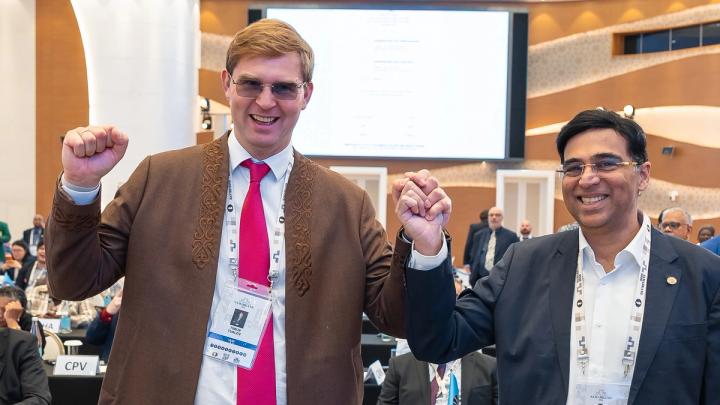
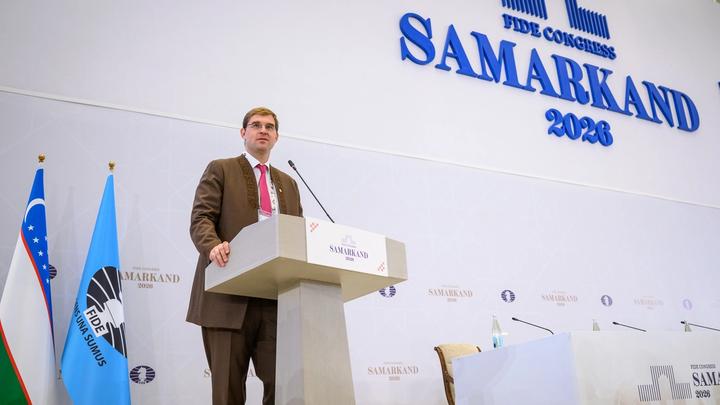
The timing is awkward for FIDE's new president, Timur Turlov.
Elected in September to succeed Arkady Dvorkovich, Turlov inherited the Russia dispute almost immediately.
During his election campaign, he stressed the importance of respecting international law and CAS decisions.
Now, less than a month into his presidency, the Sochi championships have provided an early test of what that commitment means in practice.
There is also the question of international ratings.
The women's rapid championship is listed in FIDE's tournament registration database, even though the Russian federation itself remains suspended.
FIDE has sought to distinguish between sanctions against the CFR and the rights of individual Russian chess players to compete and obtain international ratings.
But the registration of a tournament involving teams representing occupied Ukrainian regions raises a further question about where that distinction should be drawn.
Registration alone does not mean FIDE has accepted the tournament's results. Those would ordinarily be processed after the competition.
It remains unclear whether FIDE intends to recognise the results, exclude any games or take further action.
The Chess Federation of Russia's official programme schedules the rapid team championships for October 17 to 18, followed by the blitz competitions on October 19.
The women's blitz entry list also includes "Friendship of the Peoples of Russia".
Is this just another weekend of competitive chess? Or another example of Russia treating occupied territory as its own?
We may not have heard the end of this, and that's why this otherwise unimportant tournament in Sochi matters.