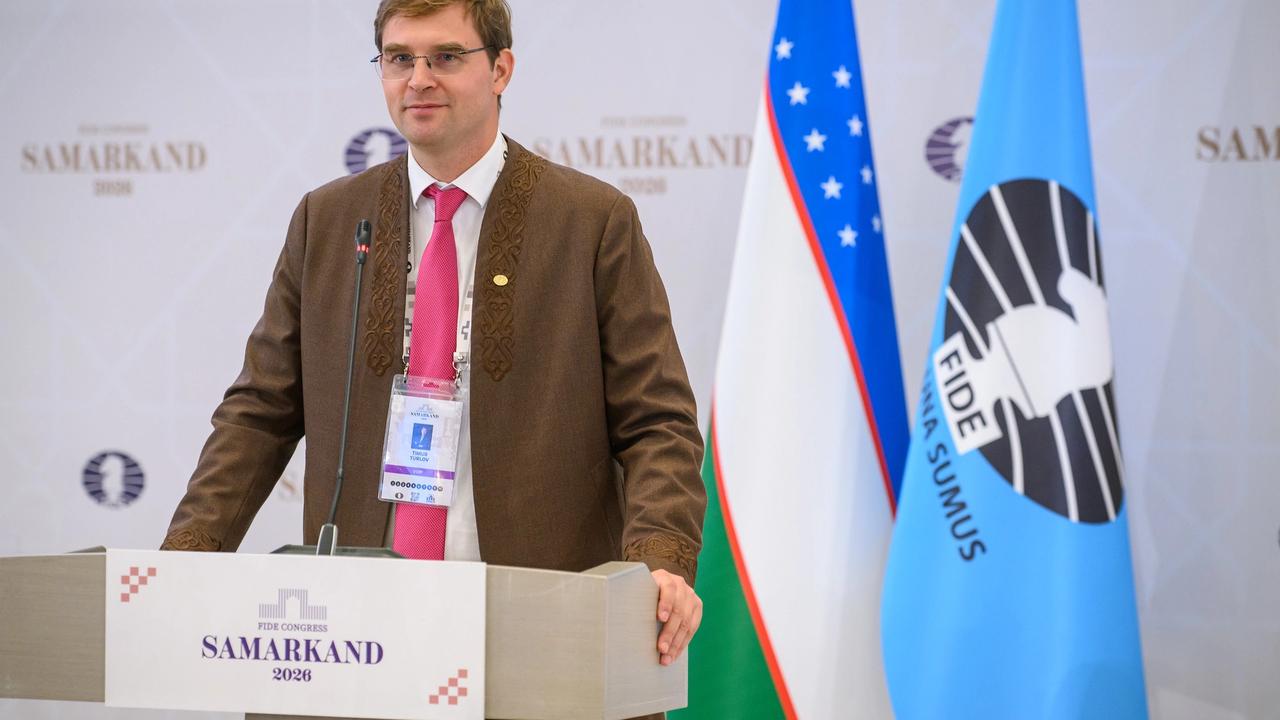
New FIDE, Familiar Faces: Turlov Keeps Old Guard In Sweeping Reshuffle
The new FIDE president has unveiled his leadership team, bringing trusted Kazakh associates into key positions while retaining several familiar figures from the previous administration.
New FIDE? Not entirely.
Barely a month after winning the presidency of international chess, Timur Turlov has unveiled a sweeping overhaul of FIDE's leadership.
But while the new president has promised fresh faces and a new way of doing business, several familiar figures from the previous administration have survived the reshuffle.
Among them is GM Emil Sutovsky, who, most chess fans will know, has been very, very active on social media over the last few years. And that's an understatement.
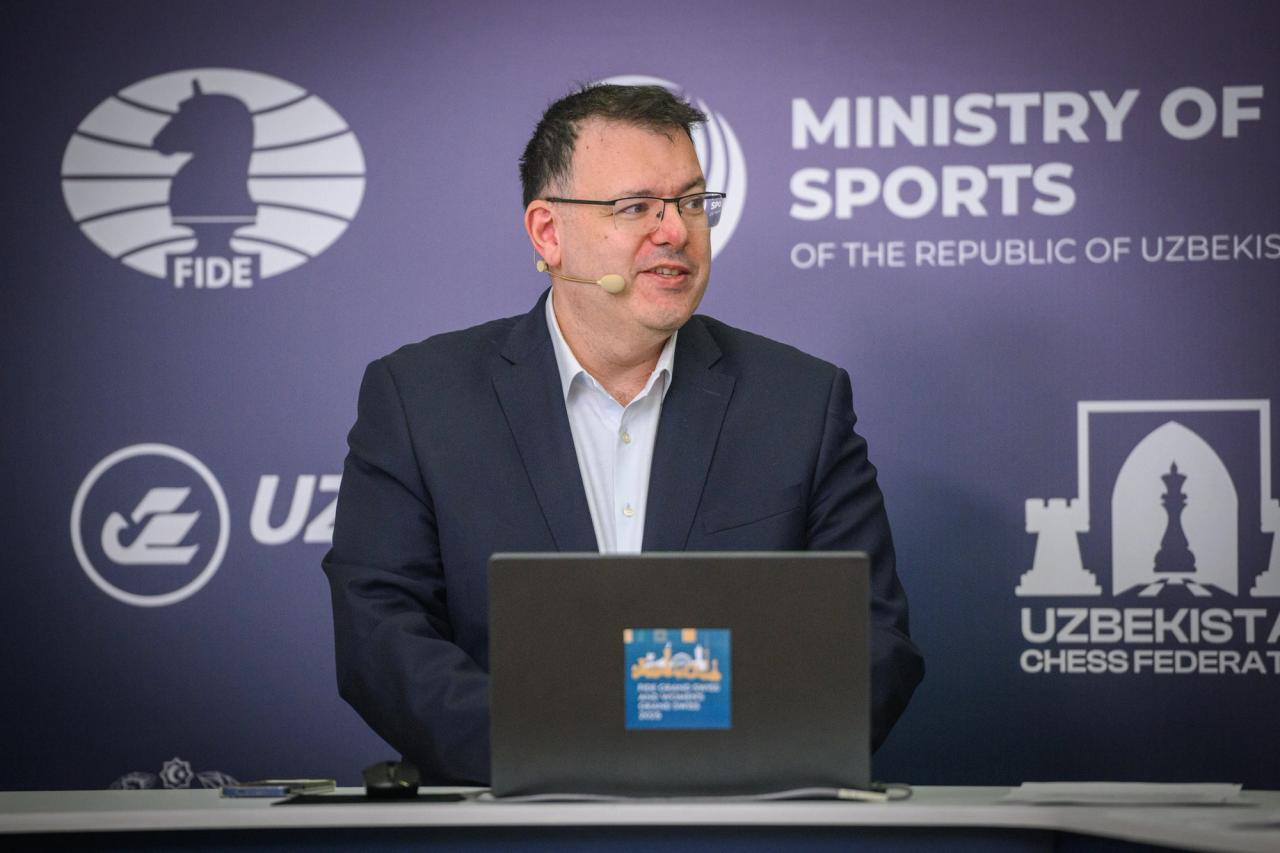
GM Victor Bologan is also retained, along with the former Latvian finance minister turned FIDE high-flyer Dana Reizniece-Ozola, and GM Pavel Tregubov. All of these FIDE big beasts held prominent positions under former president Arkady Dvorkovich.
Meanwhile, Turlov has also installed trusted associates from Kazakhstan in some of the new structure's most influential positions. There is now a distinct Kazakh flavour to the administration, which is no bad thing.
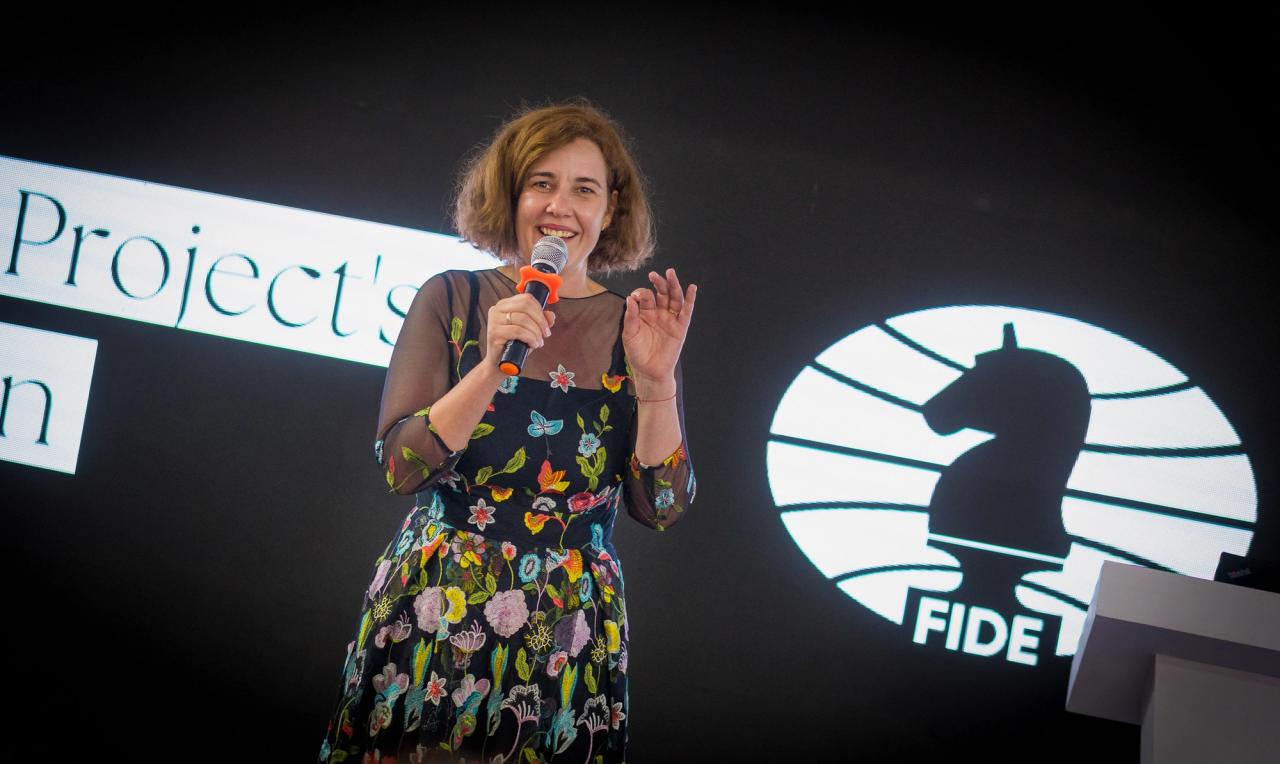
Put together, the appointments, announced in stages between October 26 and 30, offer the clearest indication yet of how the 38-year-old businessman intends to run the governing body of chess going forward.
But, as readers will have realised by now, we're forever cynics here. So how different will Turlov's FIDE really be?
New President, New Structure
Turlov, who defeated Wadim Rosenstein in September's presidential election in Samarkand, has promised to modernise FIDE, improve its governance and attract new investment. Those are all buzzwords for any would-be FIDE president, what they amount to is, of course, the real test.
♟ After announcing its new organisational structure on 26 October 2026, FIDE has begun assembling the team responsible for the Federation’s daily operations. The administration will be headed by Secretary General Alina Dvoretskaya. Her team will execute FIDE’s decisions and coordinate the ongoing work of the various departments. Read here: https://t.co/ZaJRsTFTkx
— International Chess Federation (@FIDE_chess) October 30, 2026
The overhaul we can see so far, however, seems to divide responsibilities more clearly between the FIDE Council, the President's Office and the administration, while introducing a new Advisory Board.
The President's Office will be headed by Adil Kozhikhov, a longstanding adviser to Turlov.
Another Kazakh, GM Darmen Sadvakasov, has been appointed chairman of the Advisory Board, which will advise on long-term strategy.
Alina Dvoretskaya, previously director general of the International School Chess Federation, becomes Secretary General, overseeing FIDE's day-to-day administration.
Turlov has presented the changes as the beginning of a new era.
"During my election campaign, I promised to bring new people into FIDE's leadership," he said.
"We are steadily fulfilling that commitment."
But he has also made clear that the overhaul will not mean dispensing with everyone who worked under his predecessor.
The Old Guard Survives
Perhaps the most significant appointment is that of Sutovsky, who served as FIDE Director General during the Dvorkovich presidency. Sutovsky was arguably one of the most busy, public-facing and powerful people in FIDE under Dvorkovich. He seemed to be behind everything, if his X account was to be believed.
Unsurprisingly, FIDE watchers have had a keen eye on what would become of Sutovsky when a new boss came in. Now we know.
The Israeli grandmaster now becomes Chief Executive Adviser, responsible for relations with strategic partners, major commercial initiatives and assignments from the president.
It is a different title, but one that keeps a prominent figure from the previous administration close to the centre of power.
Bologan, previously FIDE Executive Director, becomes Special Representative for Global Development, working with national federations, development funding and digitalisation.
Reizniece-Ozola, surely the most ambitious and powerful female voice in FIDE, who previously served as Managing Director, takes responsibility for social development.
Tregubov, another established FIDE official, will oversee sporting matters within the administration.
They are joined by other names very familiar to FIDE watchers, but perhaps not the wider chess community.
Akaki Iashvili becomes the president's representative for special projects, while Willy Iclicki will focus on chess participation, including amateur and senior players.
Former Women's World Champion GM Zhu Chen will head FIDE's Shenzhen office, and Mohamed Al-Mudahka will work on international relations.
The appointments suggest that Turlov is seeking more of the same in FIDE's international operations while changing the structure through which they are managed.
A Growing Kazakh Influence
There is, nevertheless, a noticeable Kazakh presence at the top of the new organisation.
Turlov himself is president of the Kazakhstan Chess Federation, while Kozhikhov, his trusted adviser, will lead the President's Office.
Sadvakasov, one of Kazakhstan's best-known grandmasters, chairs the new Advisory Board.
And Marat Umutpayev, a Kazakh international lawyer, has been appointed to oversee legal affairs.
The appointments give Turlov a group of trusted compatriots in important strategic and administrative roles.
But it would be misleading to describe the changes as a wholesale Kazakh takeover.
The leadership team remains international, with officials from several countries holding significant responsibilities.
What is clearer is that Turlov is building a structure in which trusted associates and experienced FIDE administrators will work alongside one another.
Change Or Continuity?
Turlov's arrival followed a turbulent election campaign in which everything FIDE does came under intense scrutiny. Like every FIDE election, it was bruising not just for the candidates, but for FIDE itself.
The new president has promised greater transparency, stronger institutions and more support for national federations.
He has also proposed a stronger role for the FIDE Council, a dedicated Governance Secretariat and a new Advisory Board.
But new re-jigged organisational chart, presented to the world, is not the same as changing an organisation.
The real test will be whether the new arrangements deliver. Member federations always have a lot to say on that, and so does the chess public. We'll see. And then there's also the ever-present test of how FIDE deals with, and is seen to deal with, Russia.
Turlov himself has acknowledged the importance of retaining experience.
"FIDE already has many experienced professionals who understand the chess world and how the Federation operates," he said.
"We want their knowledge and expertise to continue contributing to the organization's development."
It is a pragmatic approach, and perhaps an inevitable one for a new president taking control of an organisation with more than a century of history.
It sounds like welcome reform, but don't expect any big clean up of FIDE just yet.