Chess Federations From England, Norway And Ukraine Stand Up To FIDE Over Return Of Russian Teams
A rebel alliance is forming. Could FIDE be taken to the Court of Arbitration for Sport? Meanwhile, Russia strips GM Vladimir Fedoseev of his titles.
The fallout from FIDE's vote to bring Russian and Belarusian teams back into the fold of international chess has begun—setting the stage for more battles to come off the board next year.
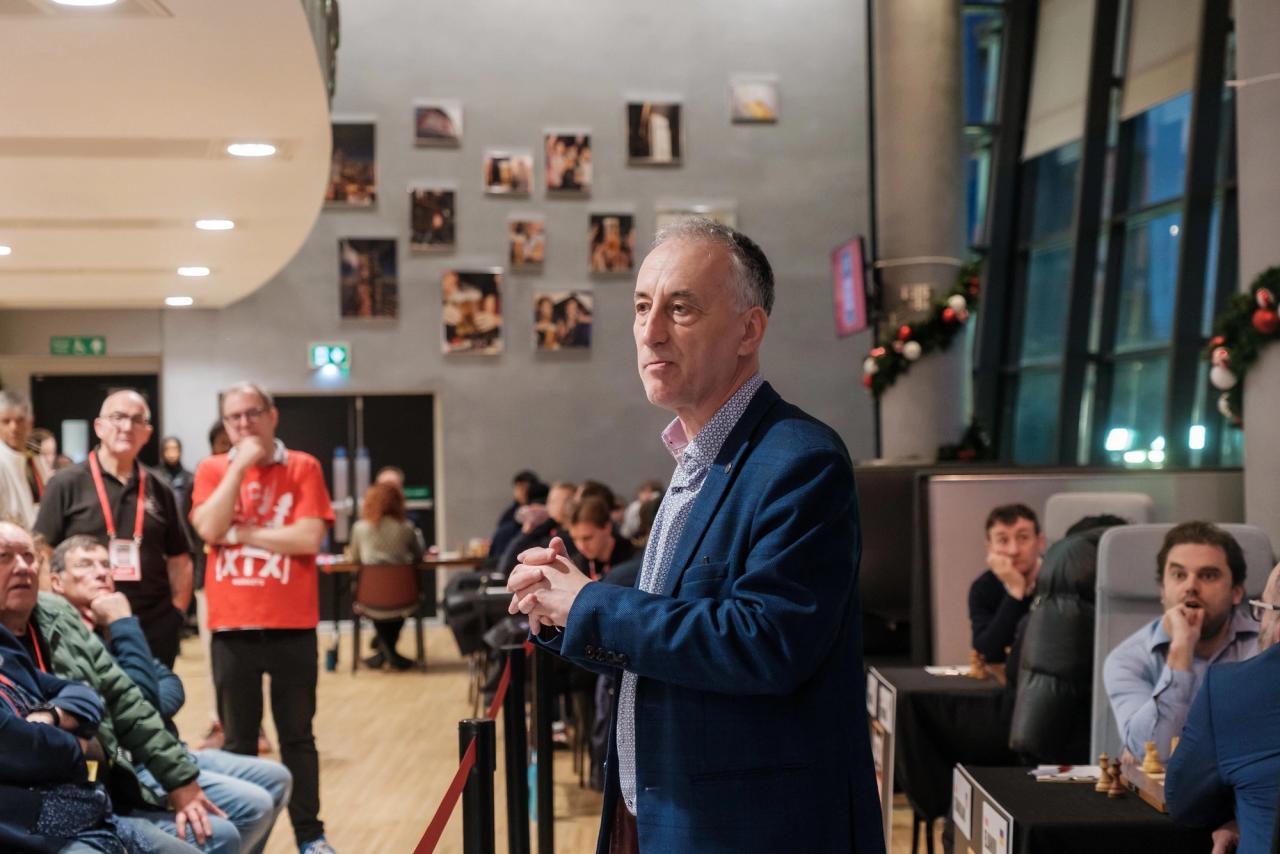
On Wednesday, the English Chess Federation became the first national chess organisation outside Ukraine to formally outline its response to the controversial decision made at FIDE's General Assembly.
In a strongly-worded public statement, co-signed by England's FIDE delegate Malcolm Pein and president Dominic Lawson, the ECF alleged "multiple abuses of procedure."
Crucially, the ECF also questioned the consistency of the resolutions with the current policy of the International Olympic Committee (IOC).
In no uncertain terms, the ECF added that it will not host FIDE events involving Russian teams unless and until the IOC revises its view that Russian teams should not compete.
Russian and Belarusian teams have been banned from FIDE tournaments since Russia started its full-scale invasion of Ukraine in February 2022. The policy kept FIDE in line with IOC recommendations on the matter, but in recent months FIDE has been loosing its restrictions.
Concern has been growing among western federations about sanctions being lifted, and on Sunday what is effectively FIDE's parliament signalled its intention to do so.
There is some confusion over the exact protocols, due to two differing motions being passed. But the way FIDE has interpreted the assembly's will so far is that the only restrictions that remain concern Russia's use of symbols at adult events.
The ECF's hard-line stance against FIDE was swiftly followed by the Norwegian Chess Federation (NCF) and the Ukrainian Chess Federation (UCF).
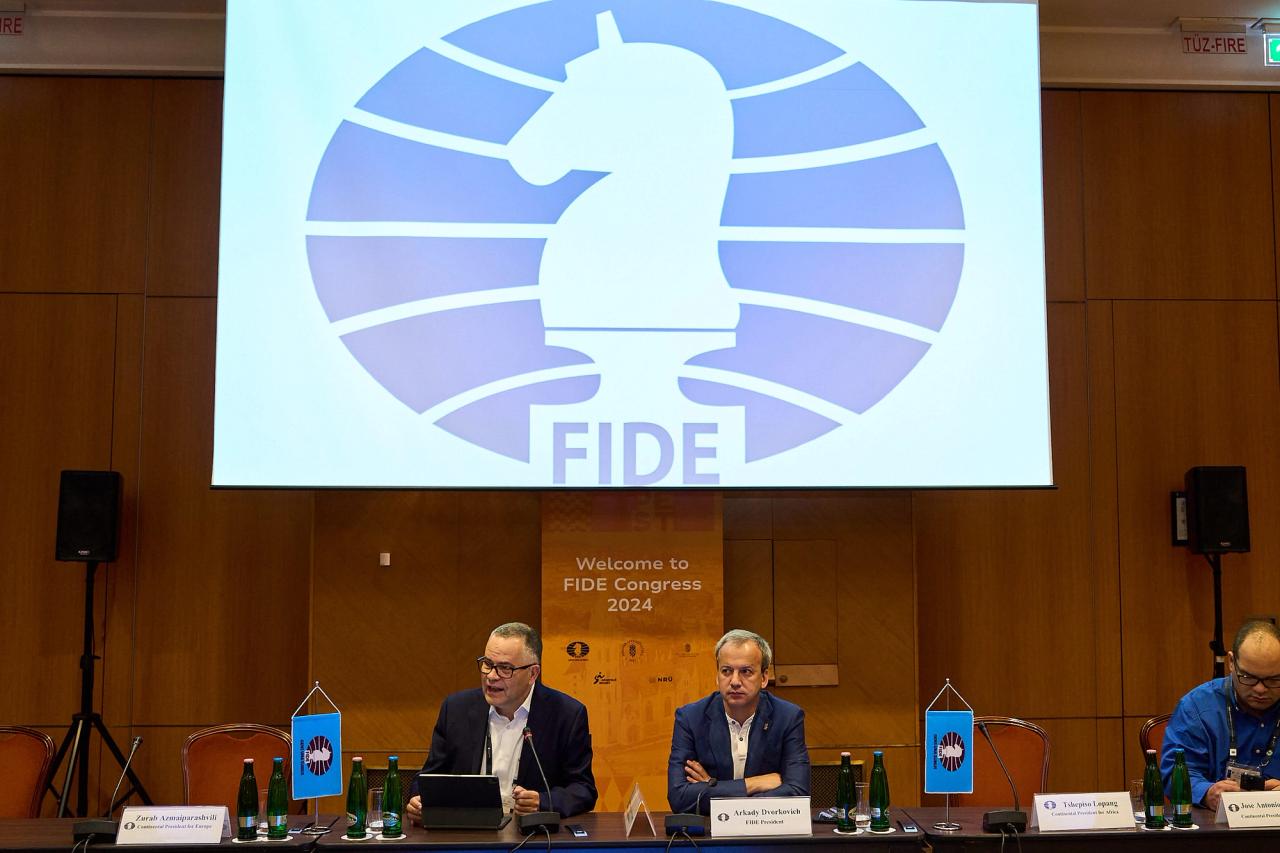
The ECF statement took particular issue with the secret ballot concerning Russian teams, branding the practice "unconstitutional" and contrary to the FIDE's charter.
It echoes comments made by Pein during the meeting itself.
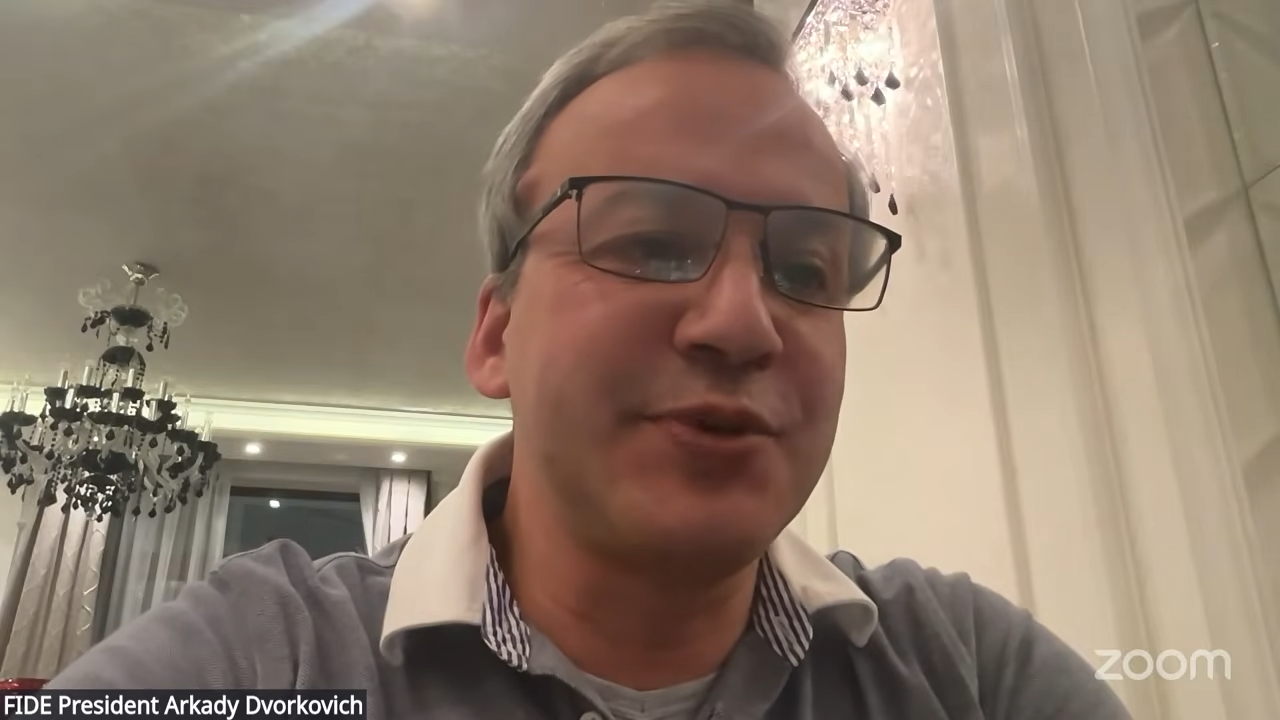
The statement also claims FIDE president Arkady Dvorkovich, a former Deputy Prime Minister of Russia, acted "in practice as an instrument of the Russian state."
The ECF further alleges that "Mr Dvorkovich refused to allow debate or a vote on the motion proposed by the ECF."
The ECF also noted that "none of the motions supporting the reinstatement of Russian teams to FIDE competitions secured a majority of the 141 registered delegates."
It also stresses that "the two motions voted on were contradictory" and that both "ran counter to the IOC's policy, reiterated last Thursday."
The statement ends with a link to a statement from the IOC published on December 11, two days before FIDE's meeting, reaffirming the body's commitment to maintaining existing sanctions against the Russian and Belarusian governments.
In the communique, the IOC said: "In particular, the restriction on accreditations or invitations to international sports events or meetings for government officials from Russia and Belarus should remain in place for both senior and youth events."
The NCF and UCF went further saying they will consider legal action against FIDE due to the way the general meeting was conducted, potentially taking the governing body of chess to the Court of Arbitration of Sport (CAS).
In a statement issued to the Norwegian press, a spokesperson said: "The Central Board condemns the process during and prior to the FIDE's General Assembly, and believes that it has not been in line with fundamental principles of transparency, trust and good organisational governance.
"The Central Board believes that the decisions made at the FIDE's Congress are not valid."
Coordinated Actions
All three federations seem to be singing from the same hymn sheet—and the Ukrainians say they are hoping more will follow.
In its statement, the federation said it "will coordinate its actions with other federations that opposed the approved FIDE decisions, and will consult with federations that do not have a clear position and held back during the voting."
It appears a rebel alliance is forming around the issue.
#chess #FIDE Kremlin chess officials are misinforming the public that the letters of IOC imply that IOC agrees with the return of Russian teams. There is a very simple refutation of this obvious lie: check if Russian teams are allowed to participate in the Olympic Games or not.
— George Mastrokoukos (@GMastrokoukos) December 17, 2025
Meanwhile, FIDE's decision has been celebrated in Russia and among Chess Federation of Russia officials.
Kremlin spokesperson Dmitry Peskov, who is on the CFR's board of trustees, welcomed FIDE's decision, calling it "the right step towards the depoliticization of sports, especially in such a field as chess."
Double-standards?
Peskov's comments came without a hint of irony as the CFR stripped GM Vladimir Fedoseev of his Russian titles—for unapologetically political reasons.
Alexander Tkachev, executive director of the Russian Chess Federation, told the state-run news agency TASS: "You can't disparage your teachers or your homeland, thanks to which you became a grandmaster and achieved everything."
That's clear then.
This remains the hottest topic in chess and FIDE's General Assembly vote has so far failed to resolve the issue. What happens next year when Russian teams do re-enter competition remains to be seen.
What is clear, however, is that there will still be countries where they are not welcome, regardless of FIDE's vote.