Everyone in Budapest Has Someone to Blame
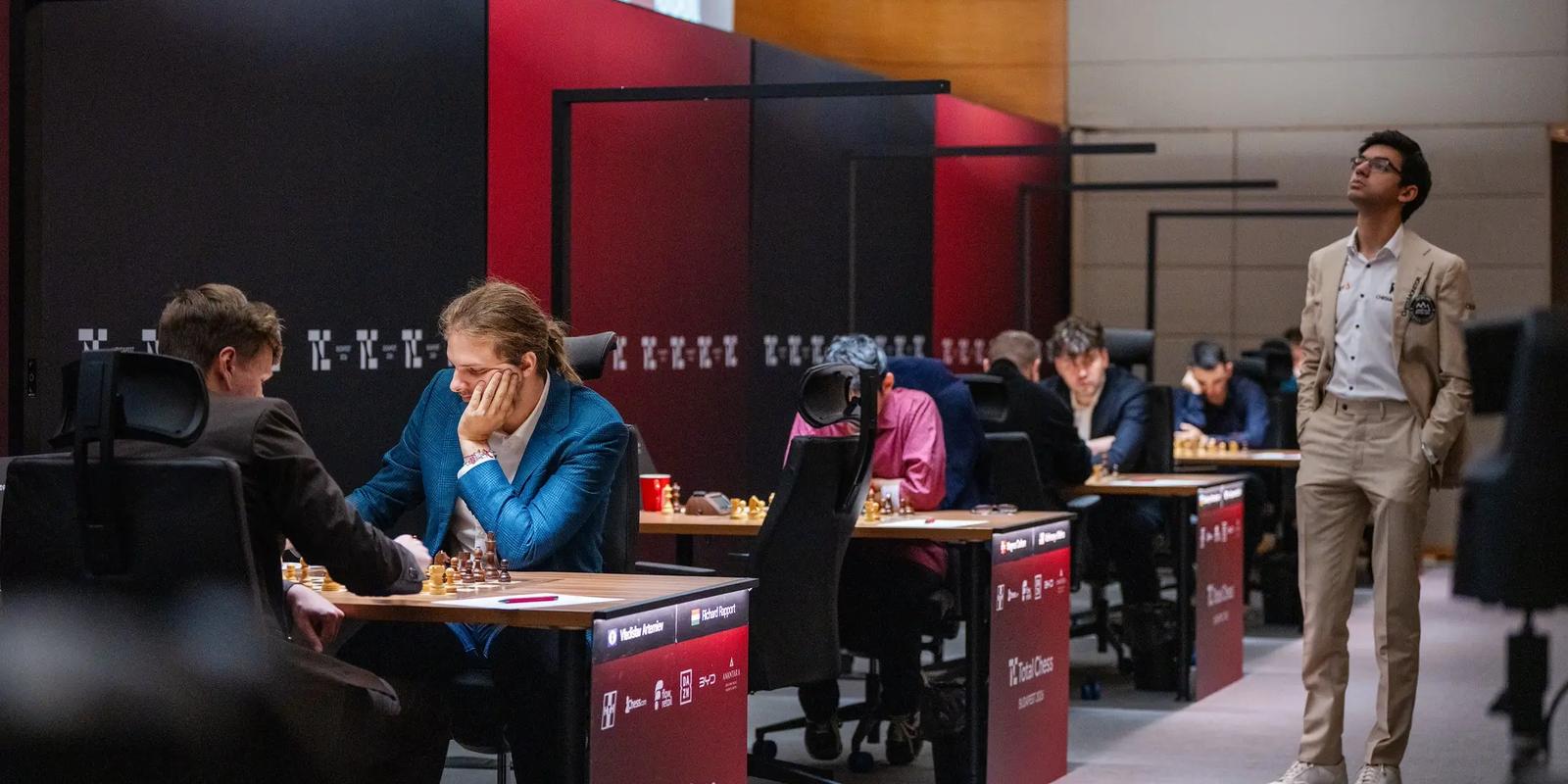
Magnus Carlsen skipped five games to protect his 2800 rating. Since then, the blame has passed from Carlsen to the format to the arbiters to Turlov's sanctions, and it's still moving.
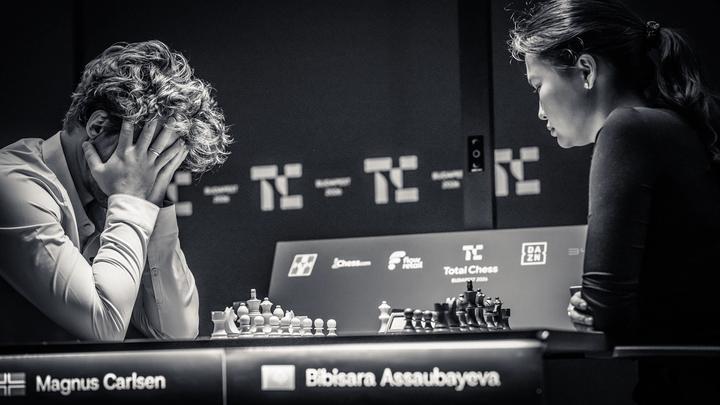
On Tuesday in Budapest, Bibisara Assaubayeva sat at a chessboard and waited for Magnus Carlsen. He never came. After 15 minutes, she was awarded the game by forfeit.
He was, at that moment, rated 2801.2 in the live rankings. A draw would have taken him below 2800 for the first time since 2009. FIDE doesn't rate forfeited games. So Carlsen lost 8 points and no rating. Assaubayeva won 8 points and no rating. The scoreboard says the game happened. The rating list says it didn't. They're both official.
He called it a "useless game." Then he skipped another one on Wednesday. Then, against Vladislav Artemiev, in a match that was still open, he forfeited three more in two days. By then it was hard to call the games useless. They just seemed optional.
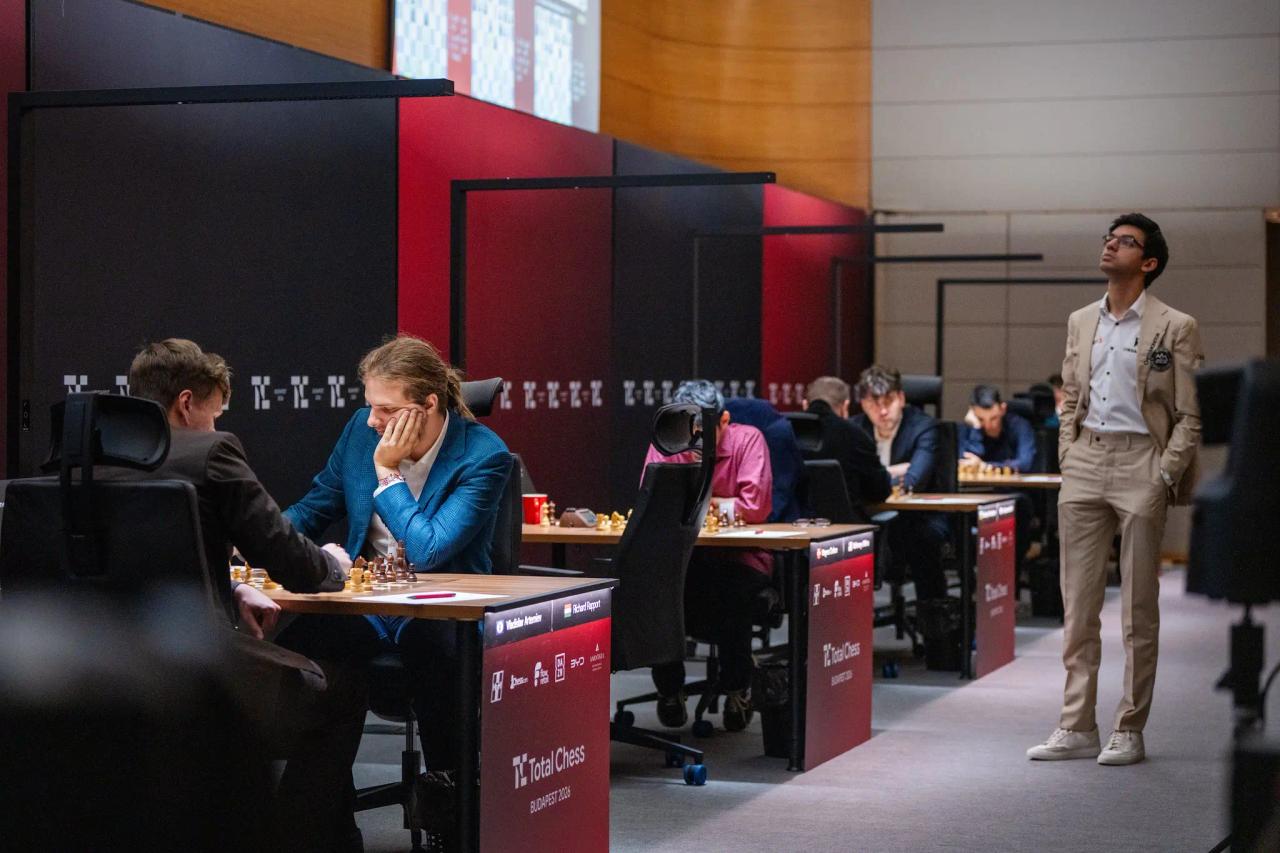
That was the chess. Then everyone involved started explaining why it was someone else's fault.
Carlsen's position is that the first match was already decided. The organizer agreed with him. Total Chess founder Kjell Madland said that with the match decided, Carlsen didn't need to play the final game. The chief arbiter confirmed that the standard procedure for a no-show had been applied. In practice, the standard procedure was to let it happen.
FIDE's chief executive adviser, Emil Sutovsky, wrote: "Hard to comment on such a pathetic unsportsmanlike conduct." Then FIDE commented at length. Its statement on Saturday refers Carlsen to the Ethics and Disciplinary Commission. It says the arbiters failed to uphold the Laws of Chess and sends them to the Arbiters' Commission. And it promises to work with Total Chess on new rules for forfeits and their consequences. That's three referrals: the player, the referees and the rulebook. FIDE approved the rulebook, and FIDE wasn't referred to anyone.
Hans Niemann said that "if any other player forfeited a game, disrespecting the organiser and his opponent, they would have lost the match by forfeit." That same week, FIDE appointed him to its Athletes' Commission. So Niemann got a seat at the table where these things get discussed, which is more than Carlsen's opponents got. Their table had nobody across from them.
Then came Wadim Rosenstein, who lost the September election to Timur Turlov and has since challenged Turlov's eligibility at the Court of Arbitration for Sport. He posted roughly 500 words. He stands with Magnus Carlsen. He asks Turlov to clarify publicly whether the matter has been referred to the Ethics Commission. The FIDE statement he was quote-tweeting says it has. From there he moves on to Ukrainian sanctions, CAS and Germany. He closes with: "No one should be above FIDE's regulations. Not Magnus Carlsen." Eleven paragraphs earlier, he stood with him.
Here is the full chain of blame. Carlsen blames the format. The organizer blames nobody, because it's a pilot. FIDE blames Carlsen, the arbiters and a future version of the rules. Niemann blames favoritism. Rosenstein blames the sanctions status of the FIDE president.
The format does deserve some of the blame, and its logic is simple. A knockout day has four blitz games, two rapid and one Fast Classic. The Fast Classic is played last and is worth 8 points. The winner of the day takes one set point regardless of margin. If you're ahead by more than 8 before the last game, that game can't change the result of the day. It can still change your classical rating, because Fast Classic is rated. A forfeit isn't. So the format let Carlsen give up points that no longer counted and keep a rating that did.
Against Artemiev, the points did count, and Carlsen made the same trade anyway. That match was the bracket for 17th place. To the world number one, 17th place was worth less than 2800. The only price for not turning up was points, and he decided he could afford them.
So if there's a lesson for 2027, it's this. Play the Fast Classic first, so it can never be dead. And make a forfeit cost more than the game it replaces: the match, the tour points, the prize money. FIDE says the regulations already required every game to be played. They did. They just never said what would happen to someone who didn't.
Nobody has asked Assaubayeva. She was the one person in Budapest who did exactly what the regulations required. She turned up, sat down and waited. She was awarded the 8 points. She hasn't been referred to anything.
By Ilya Merenzon, CEO of World Chess