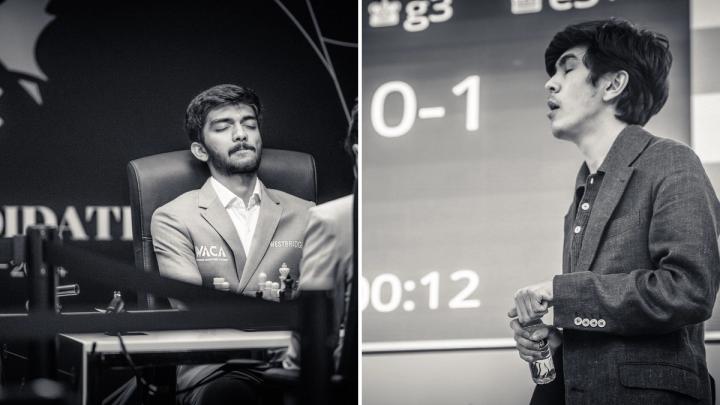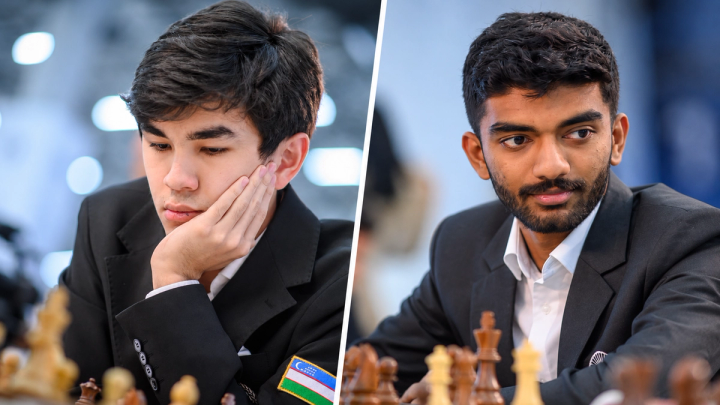
Gukesh Faces Historic Rankings Gap As Sindarov Takes 72-Point Lead Into World Championship
The reigning world champion is ranked 22 places below his challenger ahead of their Geneva showdown. Title matches aren't meant to be like this.
If we're honest, everyone's thinking it: world champions are supposed to be the players everyone else is chasing. Not the unfancied underdog, goddammit.
Chess is a game steeped in a history where untouchable champs like GMs Garry Kasparov and Magnus Carlsen rule supreme. For us fans, we find the current situation, where that is certainly not the case, a little awkward and unsettling.
Well, it just got a little worse.
With just weeks to go before the biggest match of his career, FIDE's new ratings list is out, and it makes for grim reading if you are India's reigning world champion; GM Gukesh D, the reigning king of chess, finds himself in the extraordinary position of being ranked a lowly 22 places below the man trying to take his crown.
The November #FIDERating lists are out! 📊 While the top 10 remains largely unchanged, several players have reached new milestones this month. 🇮🇳 Nihal Sarin: +11 Elo → Open Top 20 🆕 🇦🇿 Aydin Suleymanli: +13 Elo → Open Top 40 🆕 🏴 Bodhana Sivanandan: +31 Elo → Women's Top 40 🆕 🇺🇸 Rachael Li: +50 Elo → Women's No. 31 🆕 🇳🇱 Eline Roebers: +28 Elo → Women's No. 32 🆕 🇧🇬 Beloslava Krasteva: +61 Elo → Women's Top 40 🆕
— International Chess Federation (@FIDE_chess) November 1, 2026
The November FIDE rating list has confirmed that Uzbek challenger GM Javokhir Sindarov will enter their World Championship match in Geneva rated 2782. He is a full 72 points ahead of Gukesh, who is on 2710.
Sindarov is the world number-four. Gukesh, the youngest undisputed world champion in history, is down at number 26.
And while a 72-point rating difference is not unprecedented in a World Championship match, the gulf in rankings is... remarkable.
According to a historical comparison published by Chess.com, no World Championship match since the reunification of the title in 2006 has featured two players separated by so many places on the world ranking list.
Will this make for a classic title match? On paper at least, it looks like Gukesh has left himself a mountain to climb. But no one's naive enough to think ratings mean everything.
A Familiar Problem But In Reverse
Gukesh, however, has been here before. Albeit in reverse.
When the Indian challenged GM Ding Liren for the World Championship in Singapore in 2024, it was the teenager who enjoyed a substantial ratings advantage.
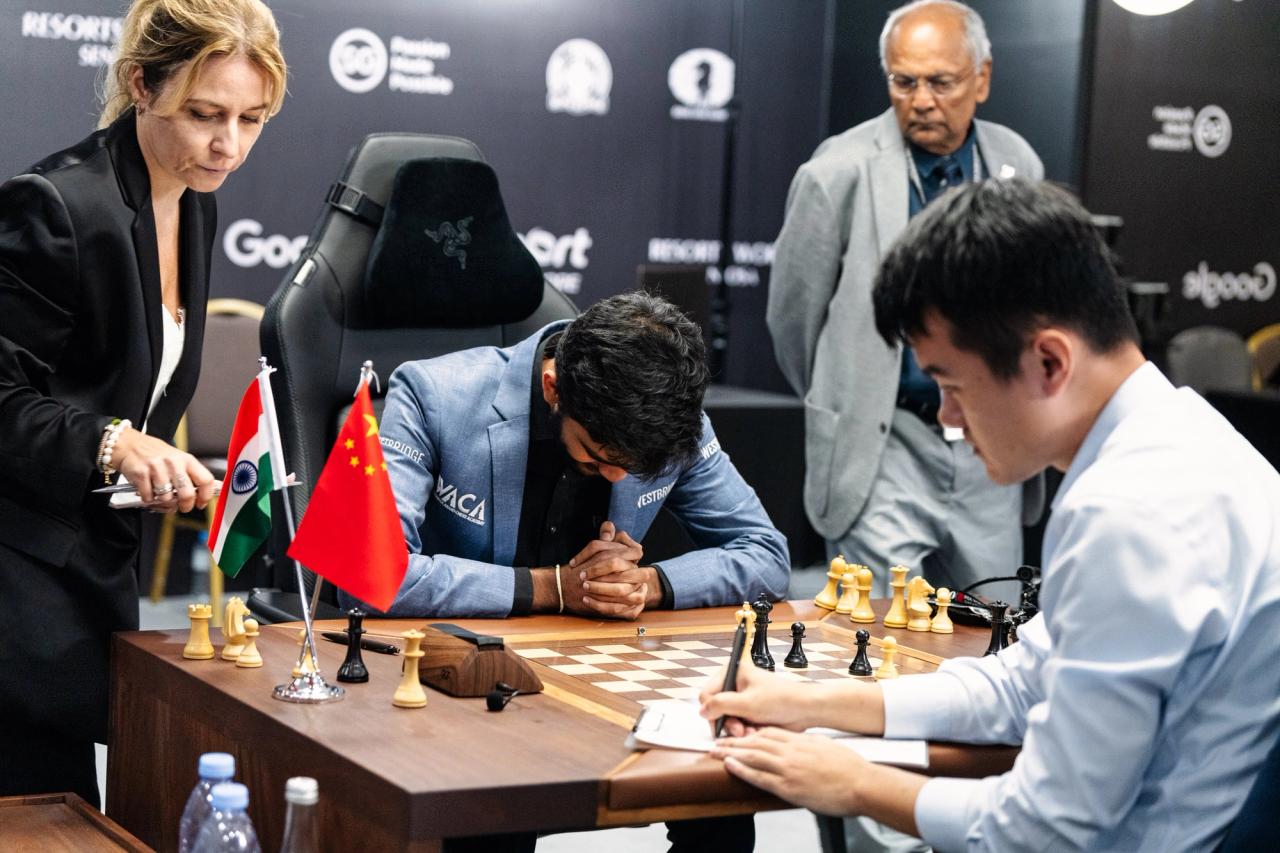
Gukesh was ranked world number-five on 2783. Ding, struggling for form after a prolonged absence from competitive chess, had slipped to number 23 on 2728.
The 55-point difference made Gukesh the higher-rated player, but it did not make the match straightforward. Oh no.
Ding, troubled by inner demons at the time, fought valiantly, particularly in his brilliant Game 12 win. The contest was still level going into the 14th and final classical game. Only a heart-wrenching late mistake by the Chinese champion allowed Gukesh to claim the title. No chess fan can forget those sad scenes of Ding slumped in his chair.
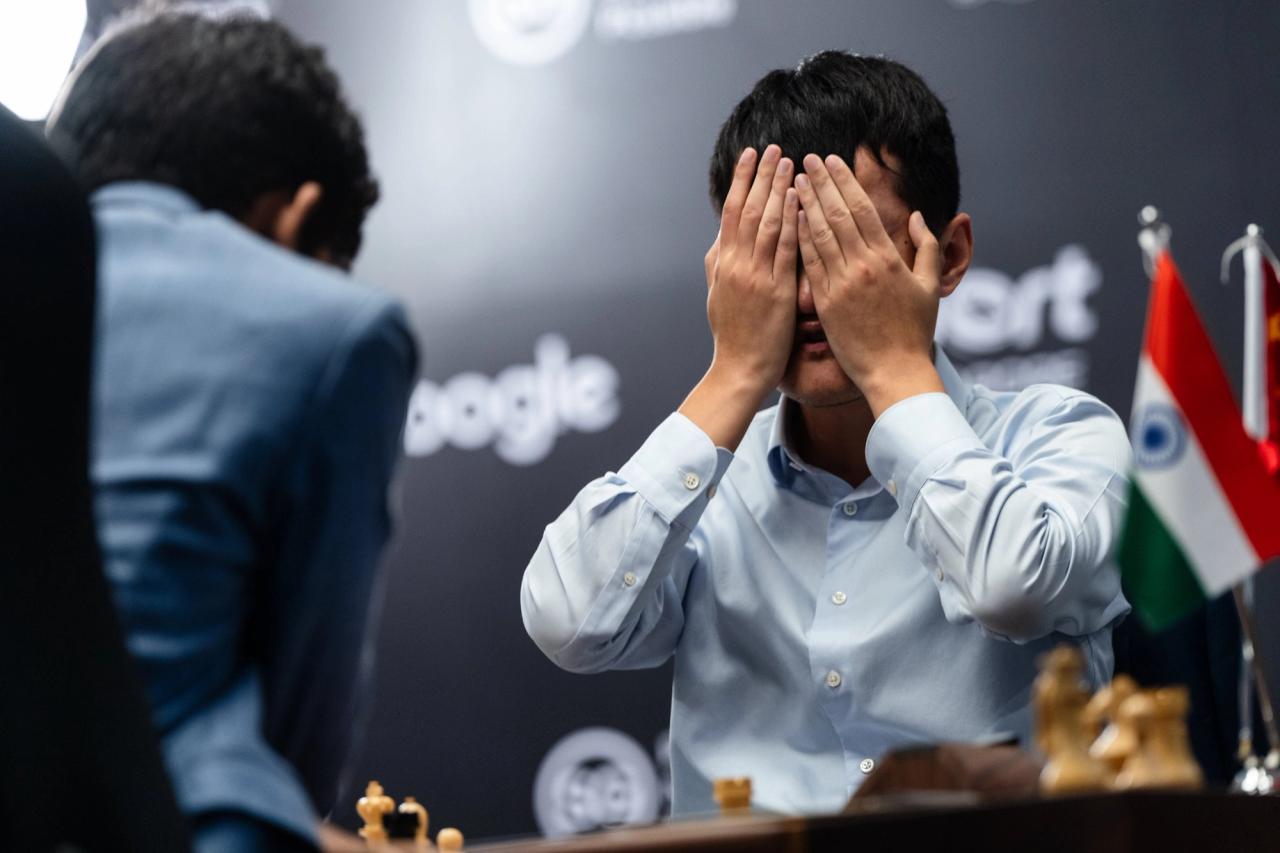
Two years later, the roles have been reversed.
Now it is Gukesh who enters the match with the lower rating, the poorer ranking and the pressure of proving that recent results do not tell the whole story.
The difference is that Sindarov's advantage is even greater.
The Biggest Ranking Gap Since 2006
World Championship history is littered with examples of champions and challengers separated by significant amounts of Elo.
Back in 2013, in a match that now seems like an age away, GM Magnus Carlsen was rated 95 points above GM Viswanathan Anand when he challenged the Indian legend.
Three years later in New York, Carlsen held an 81-point advantage over GM Sergey Karjakin, yet was forced into rapid tiebreaks before retaining his crown in the match hosted by World Chess.
Even the 2012 match between Anand and GM Boris Gelfand featured a 64-point difference, with the Israeli challenger ranked world number 20.
But the 2026 contest stands out for the distance between the two players on the rankings.
The figures underline an important distinction: a rating advantage does not necessarily translate into a comfortable World Championship victory.
Indeed, two of the closest contests in modern championship history—Anand against Gelfand and Carlsen against Karjakin—featured mammoth ratings differences.
Both required tiebreaks.
Sindarov's Rise, Gukesh's Struggles
The rankings also tell the story of two very different trajectories.
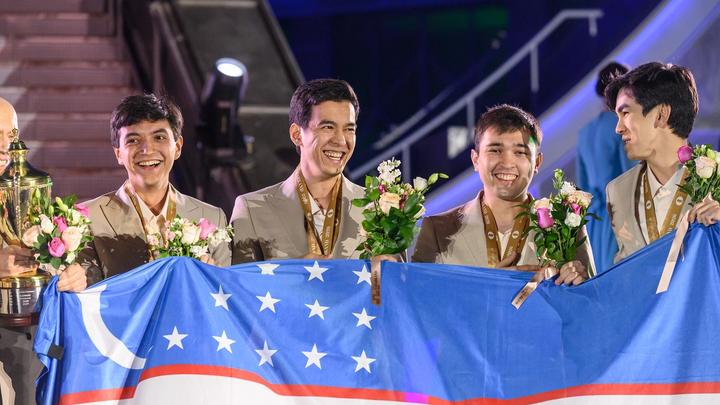
Sindarov has established himself among the world's elite, winning the 2025 FIDE World Cup before securing the right to challenge Gukesh by triumphing at the 2026 Candidates Tournament.
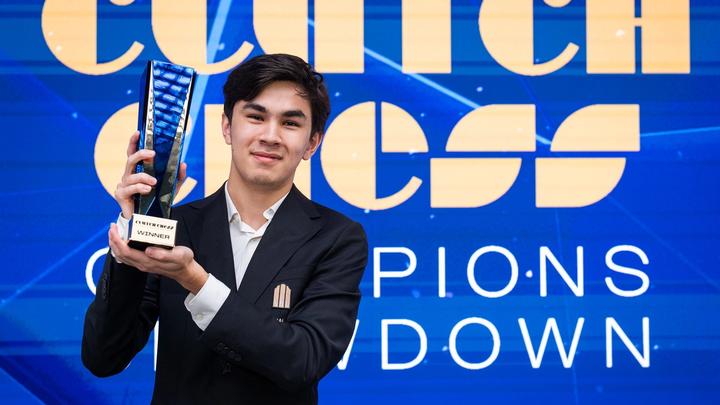
More recently, the Uzbek reinforced his credentials by winning the Clutch Chess: Champions Showdown in Saint Louis.
As World Chess reported, the result offered another warning that the challenger is approaching Geneva in formidable form.
Gukesh, meanwhile, has endured a difficult period since becoming world champion.
The Indian has struggled to reproduce the consistency that carried him to the Candidates title and then to his historic victory over Ding.
His slide to 26th in the rankings is particularly striking for a player who was among the world's top five before winning the crown.
Nevertheless, ratings alone cannot measure the demands of a World Championship match.
Preparation, stamina, nerves and the ability to recover from setbacks can matter as much as recent tournament form.
And Gukesh has already demonstrated that he can perform under the most intense pressure chess has to offer.
The Youngest World Championship In History
The two 20-year-olds will meet in Geneva for the opening ceremony on November 22 for an event to kick off the youngest World Championship match in chess history.
The contest is scheduled for 14 classical games, with rapid tiebreaks if the players finish level.
And when the two sit down for Round 1 on November 22, ratings will mean nothing.
For the full schedule, format, background and latest developments, see our Gukesh vs Sindarov World Chess Championship 2026 guide.