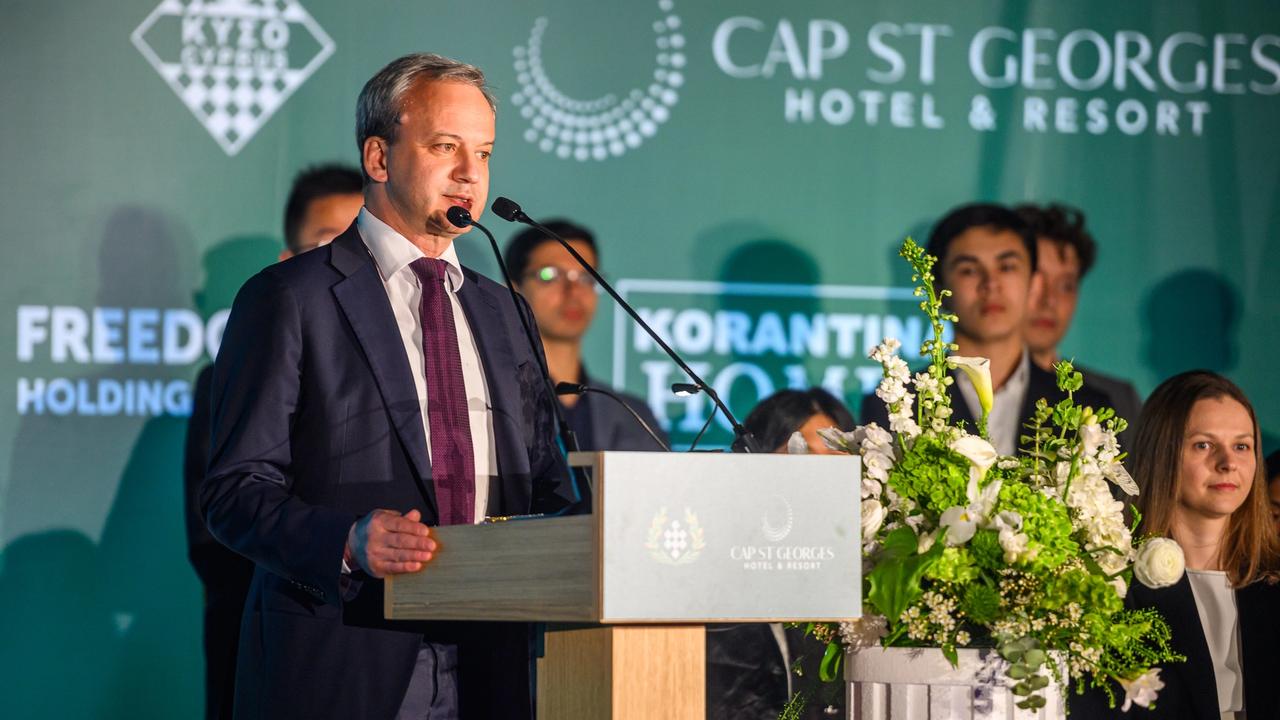
'We Have No Doubt Our Candidate Will Win': Russia Seeks To Extend 3-Decade Dominance Of Chess
The signs are ominous for anyone wanting change—Russia will not loosen its grip over FIDE without a fight.
The result was never in doubt. Not even for a millisecond.
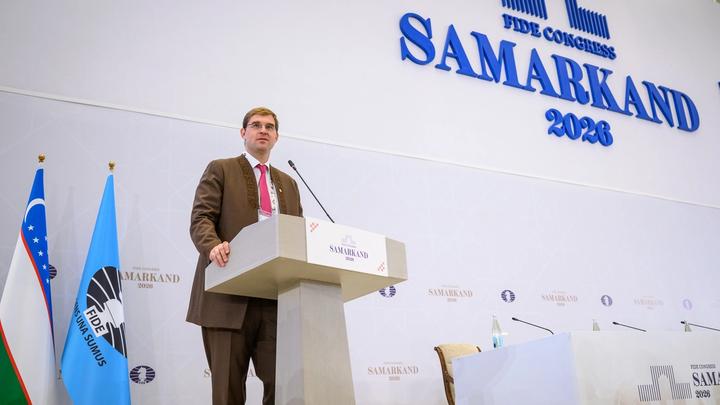
Russia's chess establishment on Friday formally endorsed incumbent FIDE president Arkady Dvorkovich for another term at the head of world chess, concluding a nomination process that appeared competitive on paper but was always just the realpolitik rubber-stamp seen in Moscow many times before.
The powerful Chess Federation of Russia's Supervisory Board voted to back Dvorkovich as the country's candidate for September's FIDE presidential election in Samarkand, overcoming a challenge from former FIDE president Kirsan Ilyumzhinov.
Arkady Dvorkovich is elected as a potential candidate for the FIDE President post, according to the decision of the CFR Supervisory Board https://t.co/od4Rgwpt3K
— Chess Federation of Russia (@ruchess_eng) June 5, 2026
Dvorkovich is not only the sitting FIDE president but also the overwhelming favourite to retain the post. The idea that Russia would deny its support to an incumbent president seeking re-election always seemed improbable, regardless of the prestige or history of the challenger standing opposite him.
The confidence inside Russian chess circles was reflected in the comments of Chess Federation of Russia president Andrey Filatov after the vote.
"We have no doubt our candidate will win the September elections in Samarkand," he said.
It was a striking statement, though perhaps not a surprising one. Dvorkovich's advantage is baked in. Incumbency brings benefits: last week he was in Kazakhstan opening the Aktobe Open – Vladimir Dvorkovich Memorial, an event named after his father.
Anyone who respects Kirsan is delusional. Dvorkovich was elected on the promise of only two terms, Kirsan and Campomanes are the reasons. Long term means rampant corruption. On the other hand this is no different to FIFA or the Olympic movement. Maybe I'm just very naive. https://t.co/KTqFuNk2eo
— Mark Crowther (@MarkTWIC) June 5, 2026
The episode nevertheless was a reminder of an enduring reality of international chess: Russia has no intention of loosening its iron grip on the sport's political institutions. That dominance remains deeply controversial.
For more than three decades, the road to the FIDE presidency has run through Moscow. Ilyumzhinov governed the organisation from 1995 until 2018 before handing over to Dvorkovich, who has occupied the office ever since. If the incumbent secures another term in September, Russian leadership of world chess's governing body will extend comfortably beyond the 30-year mark.
In most international sports, such a run would be extraordinary. In chess, it is routine. Russia, despite its recent lack of top-10 grandmasters, is still the game's powerhouse, continuing the tradition started by the Soviet Union after the Second World War. As far as Russia is concerned, little has changed.
To his credit, Ilyumzhinov's willingness to challenge Dvorkovich added a degree of intrigue to what might otherwise have been a procedural exercise. The former president was one of the most recognisable figures in chess politics. He disappeared for a while, but came back claiming he retains supporters across the chess world. Ilyumzhinov may still have a part to play in this process. Perhaps he is lining himself up as a back-up, should Dvorkovich be forced to back out of the election?
But the fundamentals never changed. Dvorkovich entered the race with the advantages of incumbency, an established international coalition, and the practical reality that Russia generally prefers stability and obedience to upheaval.
Dvorkovich has, arguably, delivered on both counts and so the Russian federation ultimately chose continuity.
That decision now sets the stage for the international election campaign, which formally begins on June 26. Barring a major surprise, Dvorkovich will enter the race as the man to beat and with the backing of the country that has long exerted more influence over world chess than any other.
Russia backed its president for the 2026 FIDE election. And, if Filatov's confidence is any guide, it fully expects the rest of the chess world to do the same.