World Chess Weekly: Olympiad Fever Begins—But Without Magnus, And Russia
Olympiad squads are set, but Magnus Carlsen won't be among them. Praggnanandhaa adds another elite title to his collection, and FIDE finds itself defending a decision.
The countdown to the 46th FIDE Chess Olympiad is officially underway after FIDE confirmed the national team line-ups for Samarkand, with a record field expected to compete.
The headline, however, is not who is playing—but who isn't.
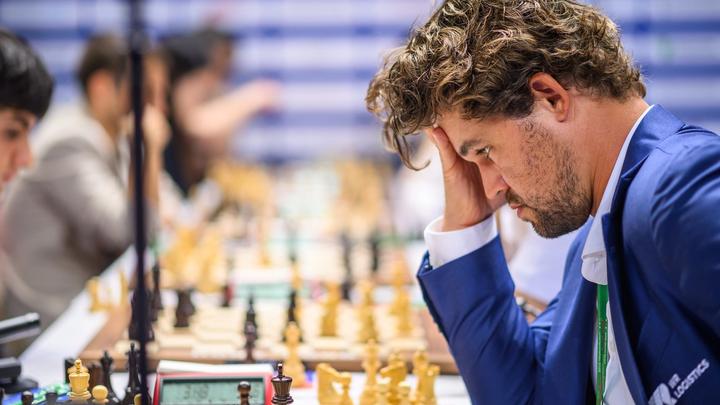
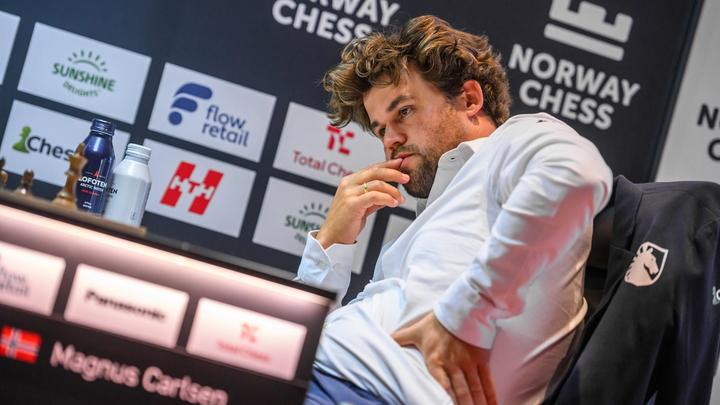
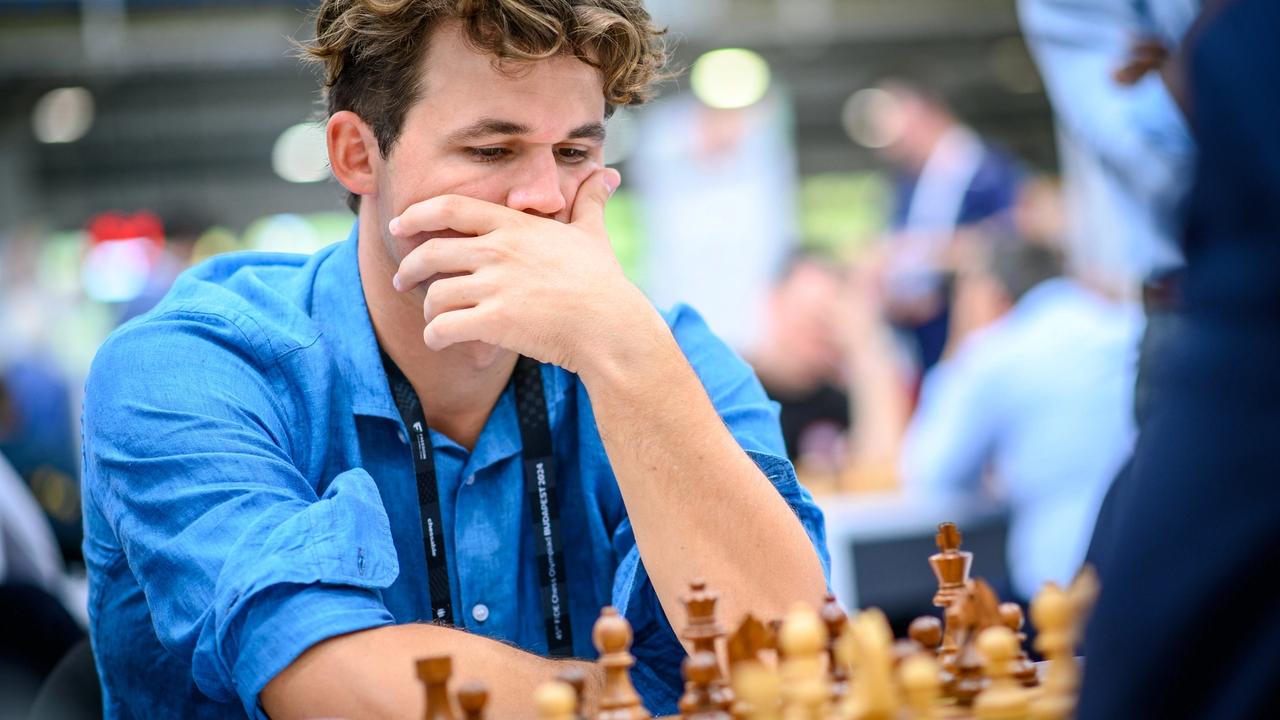
GM Magnus Carlsen, the biggest draw in the game, will once again skip the Chess Olympiad, with Norway naming a squad that does not include the world number one. It continues a trend of increasingly selective appearances from Carlsen, who has focused more on elite individual events and alternative formats in recent years. One medal missing from his collection, however, is a team gold at the Olympiad.
His absence inevitably weakens Norway's slip hopes—the Scandi nation is ranked 21st in the world, with Carlsen—but it also opens the door for one of the widest-open Olympiads in years.
Russia, the chess powerhouse, will again be absent as its teams are subject to international sanctions and its federation is currently suspended from FIDE.
The favourites, including traditional might of Team USA, the growing dominance of India and its new-kid-on-the-block rival Uzbekistan, arrive with formidable teams, while several ambitious young squads will fancy their chances over the eleven-round marathon.
♟🤩 The team lists for the 46th FIDE Chess Olympiad have been published, revealing a field filled with World Champions, established national-team powers, and some of the brightest young players in chess. 400 teams have been confirmed over the two competitions: 208 in the Open… pic.twitter.com/yyMkc3aswR
— International Chess Federation (@FIDE_chess) August 5, 2026
For India, expectations remain sky-high. The country's remarkable depth means it again fields one of the strongest teams in the event, led by the generation that has transformed Indian chess over the past few years.
The 2026 Olympiad, set to take place from September 16 to 27, promises one of the deepest and most competitive fields in the event's history.
Pragg Conquers Saint Louis
GM Praggnanandhaa R, one of India's top stars for the Olympiad, added another major title to his growing CV by winning the 2026 Saint Louis Rapid & Blitz, one of the Grand Chess Tour's premier events.
🏆 Champion, Pragg! ⭐#Grandchesstour pic.twitter.com/76HoCPLXu1
— Grand Chess Tour (@GrandChessTour) August 6, 2026
Pragg produced an impressively consistent performance across both rapid and blitz sections, staying composed while several rivals faltered during the closing rounds. The victory strengthens his position in the Grand Chess Tour standings and continues what has become another breakthrough year for the Indian star.
Already established as one of the world's elite classical players, Praggnanandhaa is increasingly proving he belongs among the very best in faster time controls as well.
The win also reinforces a broader trend in elite chess: India's young generation is no longer simply challenging the established order—they are regularly winning the biggest tournaments on the calendar.
Politics Returns To Centre Stage
While the buzz is beginning to grow about the Olympiad, chess politics has once again become one of the week's biggest stories.
FIDE was forced this week to defend its decision to allow a Russian team to participate in the inaugural FIDE World University Team Chess Championship Final which is taking place in Almaty, Kazakhstan. The team, representing Ural State Mining University, was allowed to enter despite the continued suspension of Russian national teams from many official competitions.
The governing body's position is that the circumstances surrounding the event comply with its current regulations, but critics argue the decision appears inconsistent with previous sanctions introduced following Russia's invasion of Ukraine.
The debate highlights the increasingly difficult balancing act facing FIDE when it comes to the political realities surrounding Russian participation.
Looking ahead
Attention now turns firmly toward Samarkand.
Can India convert its extraordinary depth into Olympiad gold? Will the United States reclaim the title? Can Uzbekistan shine on familiar territory? And how much will Norway miss Carlsen?
One thing is certain: the chess world's biggest team event is almost here.