Chess Olympiad 2026: Seven Storylines You Need to Know Before It Starts
The world's biggest team chess event returns in September. From India's attempt at an historic double defence to a World Championship preview on Uzbek soil, here are seven stories that could define the 2026 Chess Olympiad.
Next month, the chess world is heading to Samarkand for the 46th Chess Olympiad. At World Chess, we can't wait.
For the teams, dates, schedule, format and latest information, see our complete guide to the 2026 Chess Olympiad.
If you've never been to an Olympiad before, it is a full-on experience: the event really does feel like everyone in the game is there—although this time, perhaps not. At least one big presence is missing: the mighty GM Magnus Carlsen.
But that won't dampen the excitement.
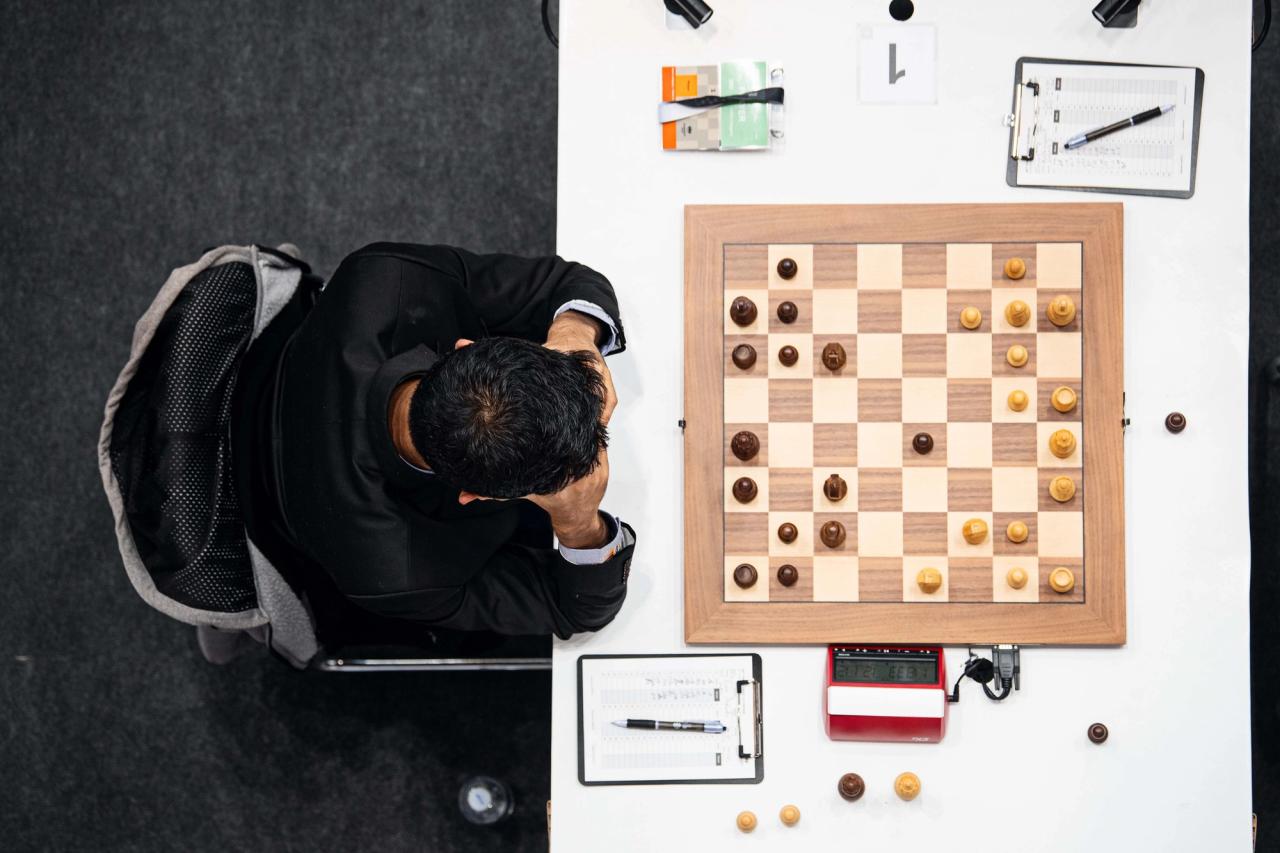
Uzbekistan, the new kid on the block in national chess terms, is hosting the 2026 tournament from September 15 to 27, bringing together national teams from across the world for what FIDE expects to be the largest edition of the competition yet.
The previous Olympiad, held in Budapest in 2024, was a record-breaker with 193 teams in the Open section and 181 in the Women's competition. Samarkand is expected to go even bigger.
♟😉 Just a reminder of who won the first-board gold medal at the 2024 FIDE Chess Olympiad.
— International Chess Federation (@FIDE_chess) July 27, 2026
🥇 Gukesh D 🇮🇳
🥈 Nodirbek Abdusattorov 🇺🇿
🥉 Magnus Carlsen 🇳🇴
Who do you think will be the best this year?
♟ FIDE Chess Olympiad 2026
📍 Samarkand 🇺🇿
🗓 Game days: September 16–27… pic.twitter.com/OPqZYBxdmQ
But numbers alone don't explain why an Olympiad is so compelling. As you might expect with so many chess people under one roof, every edition throws up incredible stories.
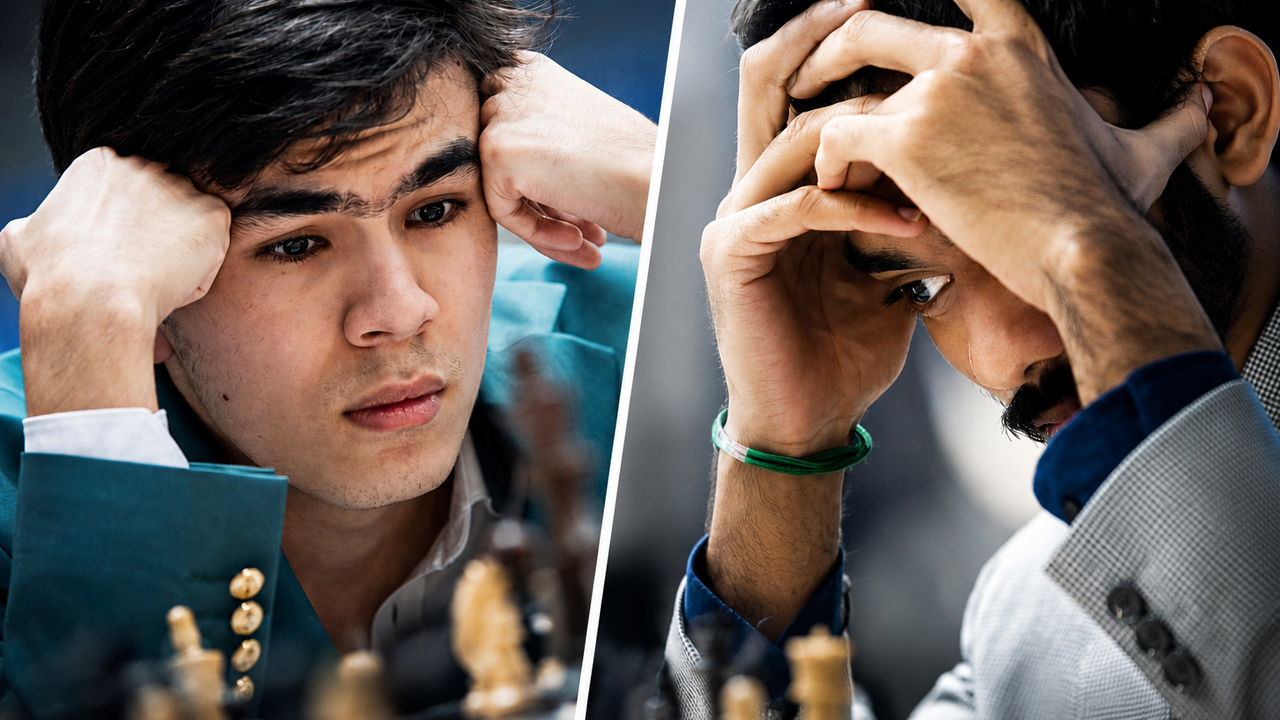
India arrives defending both titles. Uzbekistan gets the rare opportunity to challenge for a medal on home soil. The United States has introduced two Olympiad debutants. And just two months before the World Championship, defending champion GM Gukesh D and man of the moment GM Javokhir Sindarov could find themselves sitting across the board from one another.
Here are seven storylines to follow.
1. Can India Do the Double Again?
India absolutely dominated the 2024 Olympiad in Budapest.
The Open team secured gold ahead of the U.S. and Uzbekistan, while India's women also took gold, completing an extraordinary double that confirmed what had already become increasingly obvious: the centre of gravity in elite chess was shifting toward India.
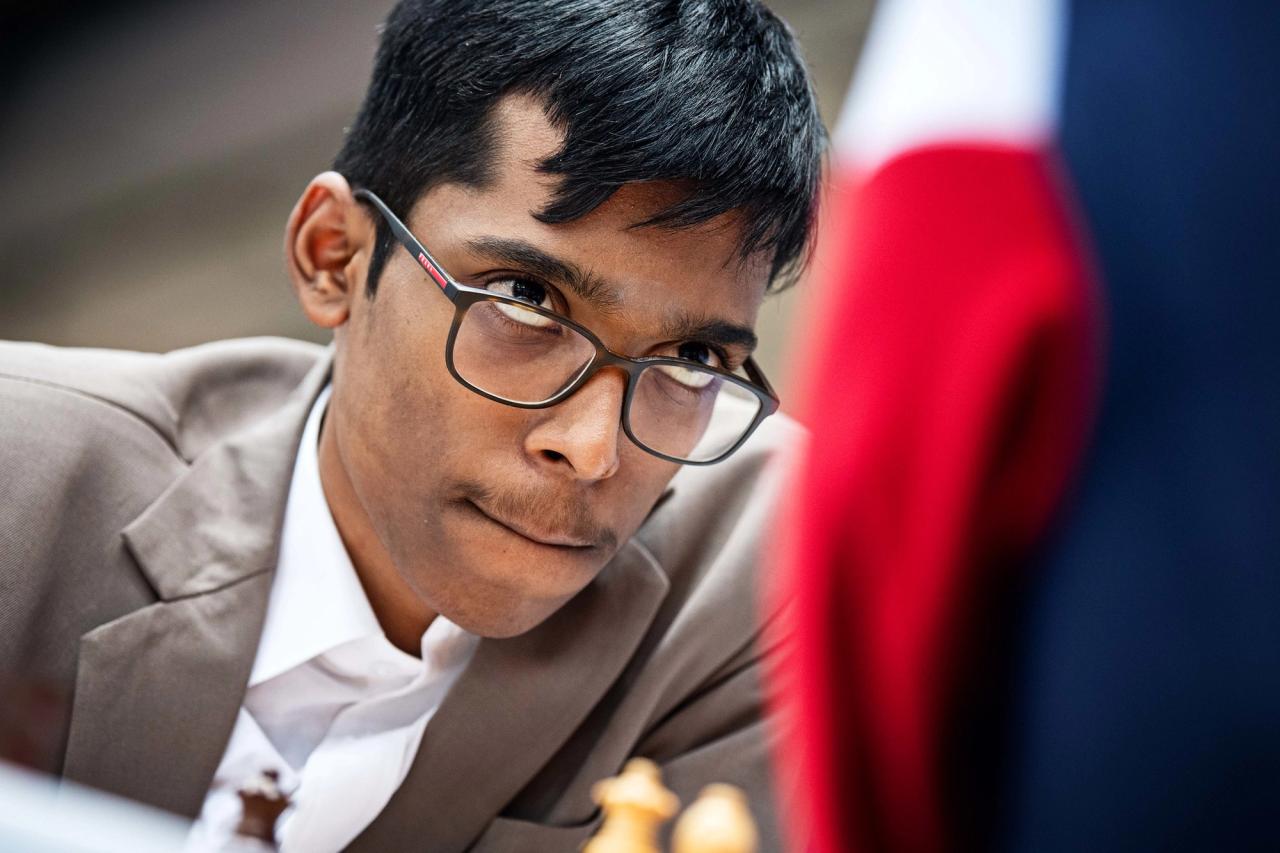
Can India do it again? This time they have competition.
Gukesh, India's World Champion, and GM Praggnanandhaa R headline another formidable Indian Open squad. The 20-year-old Gukesh particularly will be wanting to rehabilitate his reputation after a difficult year before the World Championship, while 21-year-old Pragg is a serious force on the world stage.
The formidable GM Arjun Erigaisi, also a youngster at 22, gives the team yet another elite player, while GM Vidit Gujrathi, at the age of 31 a veteran in Indian terms, brings extensive Olympiad experience.
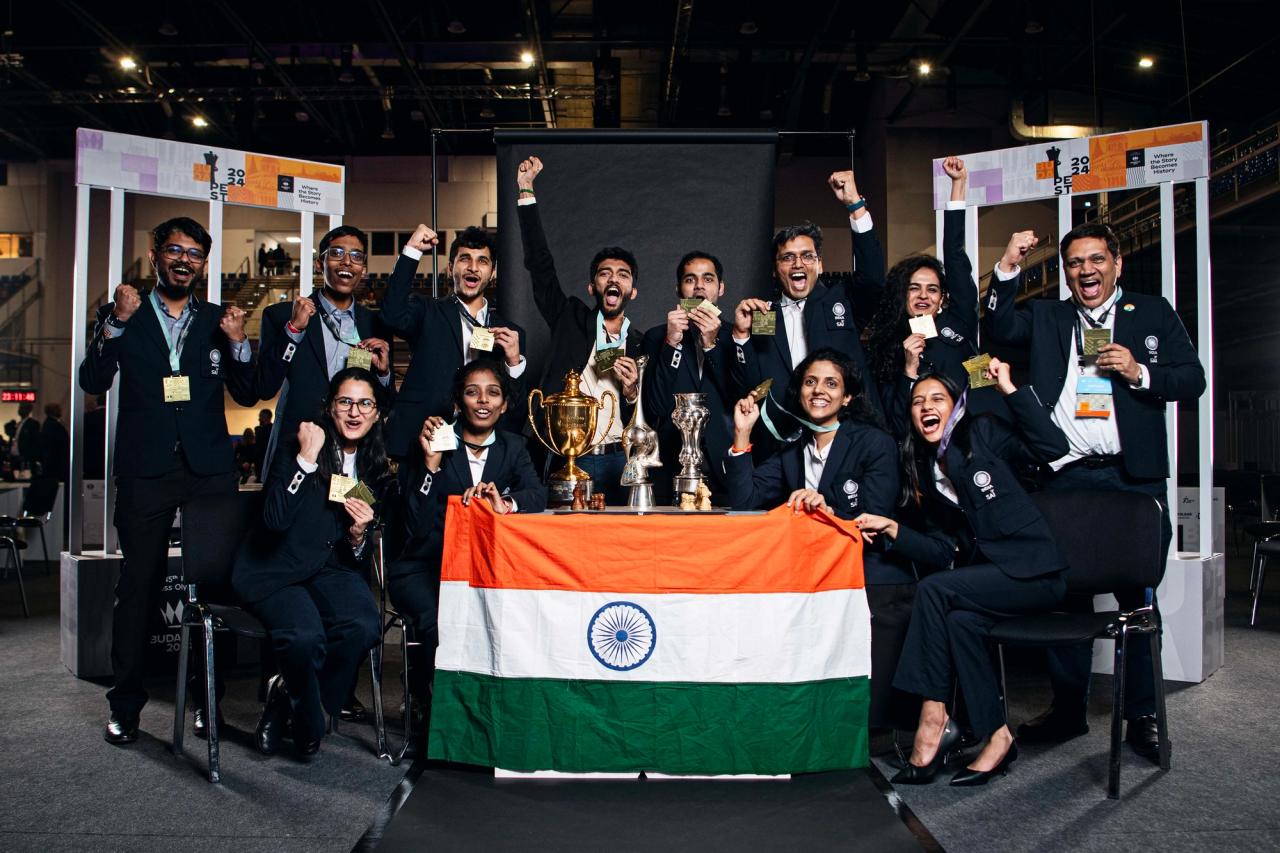
On paper, there are few obvious weaknesses. But team chess throws up different challenges, although India's team morale has always been strong.
Nevertheless, everyone will be trying to beat the defending champions.
The Women's team faces a similar challenge. India will arrive with another powerful squad, including the new Women's World Championship challenger, and Pragg's sister, GM Vaishali Rameshbabu, who will be hoping to keep up her considerable momentum.
A second consecutive double would move India's recent dominance into another category entirely.
2. Gukesh vs. Sindarov—Before Geneva
There is one potential pairing that will attract attention far beyond Samarkand.
India versus Uzbekistan could give us the sizzling match-up everyone wants of Gukesh against Sindarov. It is a dream scenario. But in the heat of a hunt for medals, would the players and their teams want it? If India and Ukbekistan meet we'll keep a close eye on who is rested and who plays on what board.
But let's just imagine it is thrown up. Sindarov won the 2026 Candidates Tournament and will challenge Gukesh for the World Championship in Geneva from November 25.
Both players will be 20 when that match begins, making it the youngest World Championship match in chess history. A preview of that, would be amazing. Let the trash-talk start early.
Gukesh's classical form has become one of the major talking points of the season. Last time around, he won an individual gold in the Olympiad. Sindarov, meanwhile, will be playing for Uzbekistan in Uzbekistan. There would be a lot riding on it.
3. Uzbekistan Has Home Advantage—and a Team Capable of Using It
Uzbekistan, with its frighteningly strong team, isn't just the host nation, it's a hot tip to win.
The world's newest chess superpower has an extraordinary generation of young grandmasters who have already demonstrated what they can do. Uzbekistan won the Open gold medal at Chennai 2022 and followed that with bronze in Budapest two years later.
Now the Olympiad comes home.
Sindarov is the reigning World Cup winner, Candidates winner, and the next challenger for the classical World Championship. Yet, he may not even be the best of the bunch.
🇺🇿♟ Introducing Team Uzbekistan for the FIDE Chess Olympiad!
— International Chess Federation (@FIDE_chess) August 3, 2026
Uzbekistan (Open): Javokhir Sindarov, Nodirbek Abdusattorov, Nodirbek Yakubboev, Shamsiddin Vokhidov, and Mukhiddin Madaminov
Captain: Rustam Kasimdzhanov
Uzbekistan (Women): Afruza Khamdamova, Gulrukhbegim… pic.twitter.com/z00j0HV39W
GM Nodirbek Abdusattorov, the 2021 World Rapid Champion and winner of muliple elite events over the past year, has been an elite player for some time now, despite still being in his early 20s. GM Nodirbek Yakubboev, a semi-finalist at the 2025 World Cup won by Sindarov, and the rest of the squad give Uzbekistan the depth required for an 11-round team competition.
And unlike their principal rivals, they will have home support.
4. Team USA Looks Different
For years, the U.S. could arrive at an Olympiad with a squad composed almost entirely of top-tier grandmasters. "They are indeed buying nerds," as Carlsen, the then World Champion, famously quipped back in 2015 when GM Fabiano Caruana switched from Italy to play for the USA.
America had multi-millionaire chess benefactor Rex Sinquefield to thank for stockpiling "nerds."
Samarkand is a little different with a new-look team.
GMs Caruana, Wesley So and Levon Aronian provide familiar firepower, but they will be joined by two players making their Olympiad debuts: the now-rehabilitated GM Hans Niemann, who for so long was the persona non grata of American chess, and the 23-year-old Wisconsin wonder, GM Awonder Liang.
🇺🇸♟ Introducing Team USA for the FIDE Chess Olympiad!
— International Chess Federation (@FIDE_chess) July 6, 2026
USA (Open): Fabiano Caruana, Wesley So, Hans Niemann, Levon Aronian and Awonder Liang
Captain: John Donaldson
Trainer: Grigory Oparin
USA (Women): Carissa Yip, Alice Lee, Irina Krush, Rose Atwell and Tatev Abrahamyan… pic.twitter.com/OGuZKCLqbT
Niemann's appearance is fascinating.
Whatever one's view of the controversies that have followed him, there is little doubt about his ambition or his ability to produce decisive chess.
Now he gets to represent the United States on chess's biggest team stage. Liang's selection is another generational change—out with the old, in with the new.
5. France Has a Firouzja Problem
One of the strongest players in the world will not be playing for France.
National number-one GM Alireza Firouzja, the enigmatic emigre from Iran, turned down his place in the French team, or the French federation finally lost patience with him, continuing an unusual situation in which the country's highest-rated player has still never represented France at a Chess Olympiad.
France will instead field GMs Maxime Vachier-Lagrave, the newly-crowned French national champion Etienne Bacrot, Maxime Lagarde, Jules Moussard and last year's French chess champion Marc'Andria Maurizzi.
That is still a very strong team.
But there is no avoiding the obvious question: how much stronger would it be with Firouzja?
6. China Remains the Great Unknown
At full strength, China can field players capable of competing with virtually anyone. Will they, though?
GM Ding Liren's presence will, as always, be scrutinised from every angle. He remains a chess fan favourite.
The former World Champion's career has taken an unusual path since losing his title to Gukesh in Singapore in 2024. The Olympiad gives him an opportunity to return to the national-team environment, where China has historically been exceptionally successful.
GM Wei Yi provides another elite-level threat.
China won Open Olympiad gold in 2014 and 2018, while its Women's teams have an even more formidable history in the competition.
They are not necessarily receiving the same pre-tournament attention as India, Uzbekistan or the United States.
But that may suit them perfectly. Like Ding's persona, the team is softly spoken, but deadly.
7. The Olympiad Is Becoming a Showcase for Chess's New Generation
Look across the likely leading teams and one feature becomes impossible to miss. Elite chess is young.
Gukesh will arrive as World Champion at 20. Sindarov is 20 and already his challenger, with the Geneva World Championship match due to take place in November. Praggnanandhaa is 21. Abdusattorov is still only 21.
Players who were being described as prodigies a few years ago are now expected to decide medals.
That is one reason the India–Uzbekistan rivalry could become particularly important. Both countries have produced groups of players from roughly the same generation who have grown into elite chess together.
The Olympiad is perhaps the perfect competition for that to become visible and tell us which countries have built depth.
At World Chess, we are seriously looking forward to it. You should too.