Who Will Lead World Chess? Three Names Emerge Ahead Of The FIDE Election
Campaigning is about to start in the race to be FIDE president. As it stands, three candidates are expected to put their hats in the ring. But don't take anything for granted.
With just days left before campaigning is officially allowed to start in the 2026 FIDE presidential election, the chess world is waiting to hear who will be going for the top job in the game.
Candidates have from June 26 to get their tickets in order as three months of election battling begins. As it stands, only one name is confirmed: the incumbent and strong favourite Arkady Dvorkovich. Who will oppose him?
Right now, two potential rivals to become the next FIDE President are increasingly being discussed, but neither has formally entered the race. They are the English IM Malcolm Pein and Wadim Rosenstein, the CEO of WR Group.
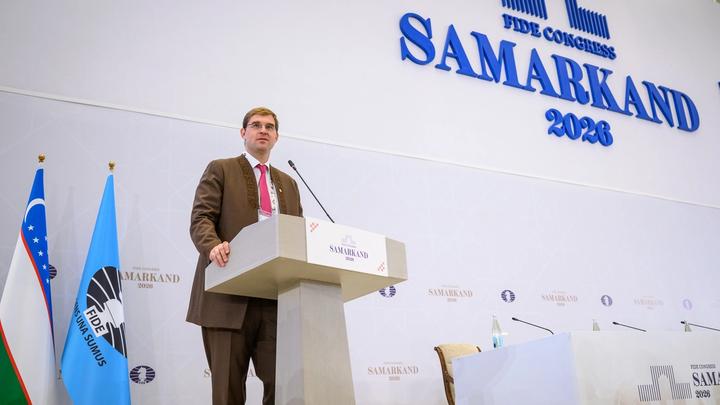
A tough contest is ahead if either of them front up against Dvorkovich. Delegates will gather to decide the outcome this September at FIDE's General Assembly in Samarkand, Uzbekistan, held on the fringes of the Chess Olympiad.
This election will determine who leads world chess's governing body for the next four years—a role that combines sporting leadership with diplomacy, international politics and the management of a federation representing around 200 national chess federations.
Here is what you need to know about the three names in the frame:
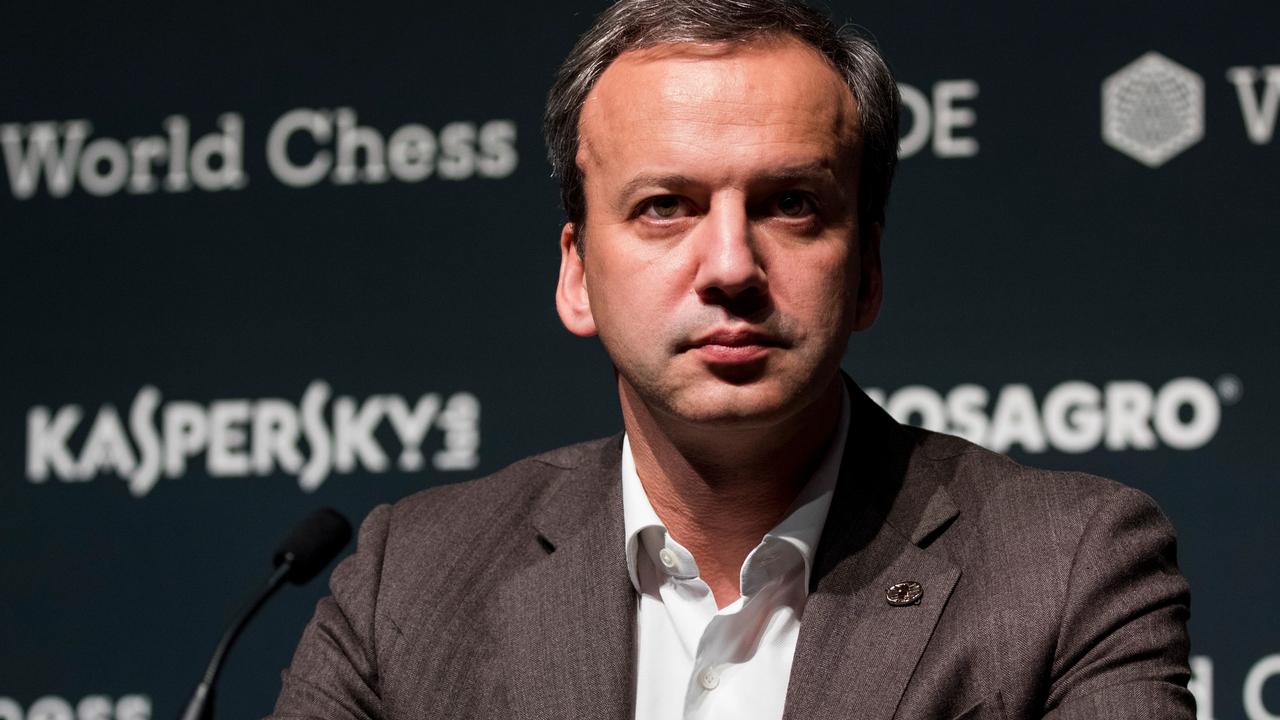
Arkady Dvorkovich
The incumbent remains the favourite.
Dvorkovich has led FIDE since winning election in 2018. In 2022, with the chess world at war after Russia launched its full-scale invasion of Ukraine, he was comfortably re-elected. In a deeply symbolic contest, Dvorkovich defeated the Ukrainian GM Andrii Baryshpolets, who launched a protest run, by 157 votes to 16.
Arkady Dvorkovich is elected as a potential candidate for the FIDE President post, according to the decision of the CFR Supervisory Board https://t.co/od4Rgwpt3K
— Chess Federation of Russia (@ruchess_eng) June 5, 2026
Under his presidency, few will argue against the claim that FIDE has expanded its commercial activities, strengthened elite events and overseen a period of rapid growth in chess following the online boom. Chess has become more visible.
Dvorkovich came to power when FIDE was in a state of chaos following the end days of his predecessor Kirsan Illyumzhinov, who had been sanctioned by the U.S.. Those were desperate and divided times for the game's governing body.
Dvorkovich was installed late in the contest as Ilyumzhinov finally accepted his fate and dropped out as Russia's candidate. Dvorkovich, with the backing of the Chess Federation of Russia, then overcame the IM Georgios Makropoulos, the current head of the Greek Chess Federation who was Ilyumzhinov's deputy.
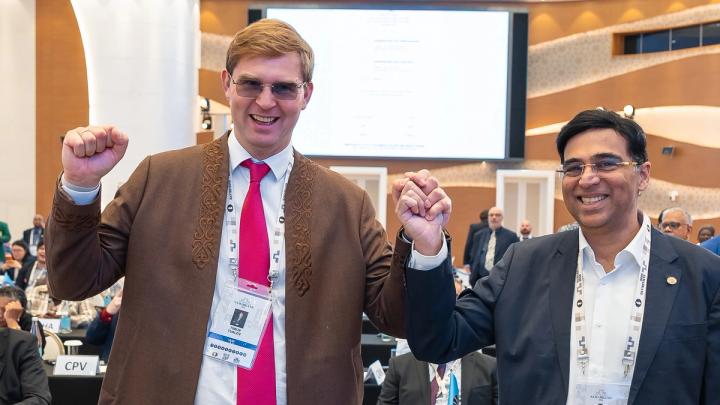
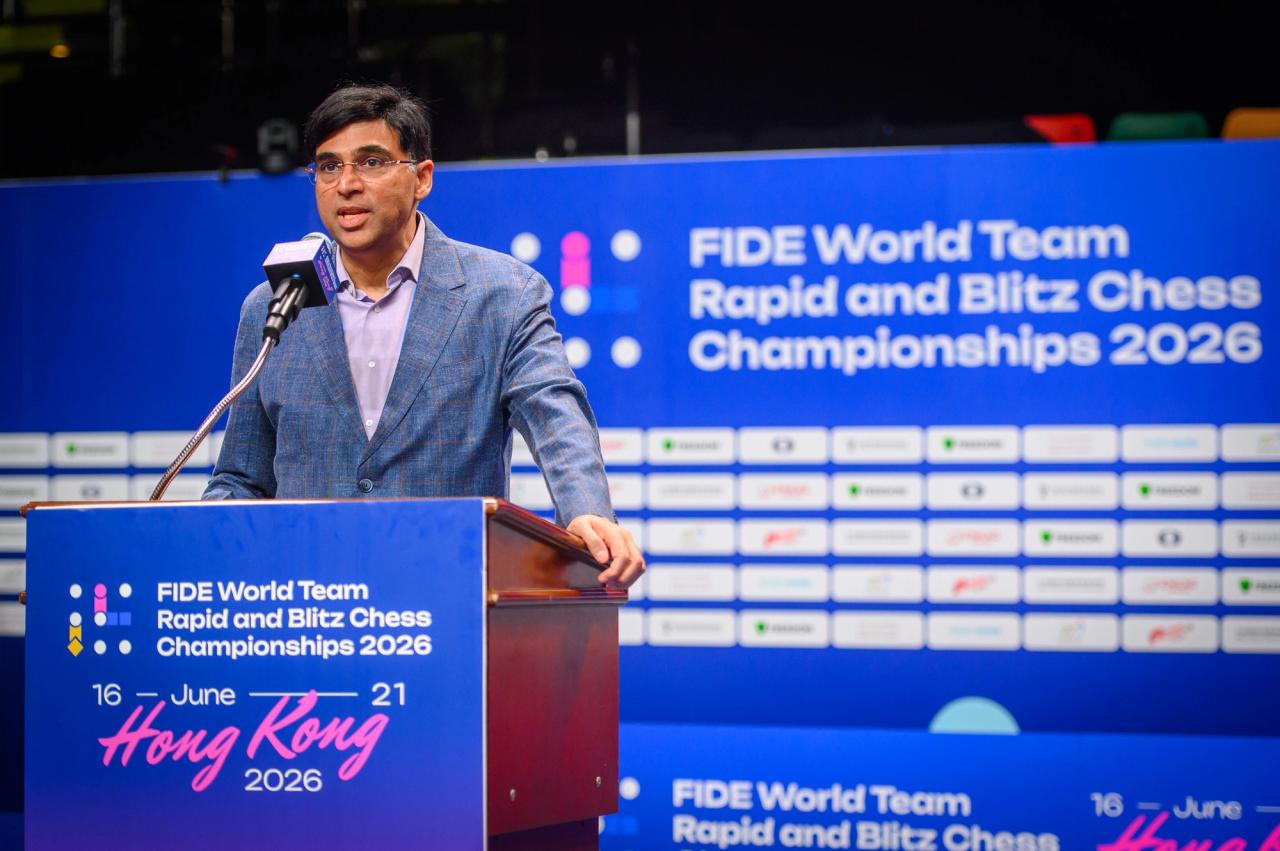
Dvorkovich wasted no time steadying the ship. He made the popular decision of naming GM Viswanathan Anand as his deputy before heading to London for the 2018 World Chess Championship.
At the same time, his tenure has attracted controversy. The two-decade long link between the FIDE president and Russia remained unbroken and an influence many federations consider malign is still, allegedly, present.
Dvorkovich's past career as a Russian deputy prime minister, the removal of presidential term limits in 2023, and debates surrounding FIDE's relationship with Russia following the invasion of Ukraine have made him one of the most scrutinised figures in international sport.
Despite the criticism, Dvorkovich is widely regarded as entering the campaign with the broadest existing support among member federations.
The 54-year-old has the might of the Russian machine behind him and has spent the last eight years travelling to chess federations around the world offering FIDE's services. He certainly has the advantage.
Wadim Rosenstein
German billionaire Wadim Rosenstein has emerged in the speculation surround the election as a potential outsider candidate. He hasn't publicly declared his intentions yet, but has certainly been giving off the air of a man about to mount a challenge.
Best known in the game as the founder of WR Chess, Rosenstein has invested heavily in elite competitions and team chess in recent years, quickly becoming one of the most influential private figures in the game.
Rosenstein has also dabbled in German chess administration and was recently elected the German Chess Federation's FIDE delegate, so will be heading to Samarkand whether he stands for president or not.
Last week Rosenstein was in Hong Kong taking his place alongside GM Magnus Carlsen on his self-funded WR Chess team at FIDE's pro-am World Team Rapid and Blitz Championship.
Congratulations to Dragon Chilling and everyone involved in organising the FIDE World Rapid & Blitz Team Championship in Hong Kong. ♟️🇭🇰
— Wadim Rosenstein (@WadimRosenstein) June 21, 2026
This event has a special meaning for me because it started as my idea in 2022. I believed there was space in chess for a different kind of… pic.twitter.com/uBAnIzhlqj
Speculation about Rosenstein intensified earlier this year after he publicly offered to stage the Candidates Tournament at short notice when concerns were raised about players' safety in Cyprus. FIDE quickly declined the proposal.
Whether he ultimately stands may depend on whether enough federations coalesce around a single alternative to the incumbent.
Rosenstein is relatively new on the scene and has so far avoided much scrutiny. He has Ukrainian, German and Russian roots and claims to live "an international life".
Anti-Russian voices claim there remain unanswered questions about his business interests. Rosenstein has, however, said he has played down links with Russia.
In May 2022, not long after Russia's full scale invasion of Ukraine, he courted controversy by being pictured in Moscow playing chess with the controversial GM Sergey Karjakin.
IM Malcolm Pein
English chess organiser IM Malcolm Pein is another well-known name in the chess world.
Publisher of Chess magazine, founder of the charity Chess in Schools and Communities and organiser of the London Chess Classic, Pein has spent decades working across nearly every part of the chess world.
In April he publicly stated that he was prepared to challenge Dvorkovich if the incumbent sought another term under certain circumstances, while also beginning to assemble a presidential ticket and campaign platform.
The @euobs reporting that @FIDE President Arkady Dvorkovich is on the EU's 21st set of sanctions, soon to be discussed. See: https://t.co/2Ow2lZvXZA If this comes to pass and he still stands for FIDE President, I will stand against him
— Malcolm Pein (@TelegraphChess) June 10, 2026
Pein has positioned himself as a candidate focused on governance reform, transparency and strengthening FIDE's independence. He was part of the Makropoulos ticket in 2018 that started out attempting to oust Ilyumzhinov and ended up losing to Dvorkovich.
As England's FIDE delegate, Pein has long campaigned against Russian influence in chess and is considered the de facto leader of the anti-Russian coalition.
Pein will be aiming to shore up the support of several big and important Western federations, such as the Nordic nations, France, the U.S. and Ireland. But whether his appeal can extend to Africa, Asia and South America is unclear.
But It Could All Change—Fast
FIDE presidential elections are decided by delegates from member federations rather than players.
Campaigns typically involve months of diplomacy, coalition-building and negotiations across every continent before votes are cast at the General Assembly.
With Samarkand approaching, the field is beginning to crystallise. Whether the election becomes a straight fight between the incumbent and one challenger—or develops into a genuine three-way contest—will become clearer as nomination deadlines approach.
The election will be fluid. Don't expect it to be smooth sailing: candidates will come and go and the picture could look quite different soon. There will also be plenty of mudslinging. There always is.