Haaland's Gambit: Football Money, Norway Chess, and the Future of the Game
Erling Haaland is putting his money where his mouth is, investing in Norway Chess and a bold new world championship tour. But can celebrity capital actually fix chess's monetization problem, or is this just a glamorous distraction?
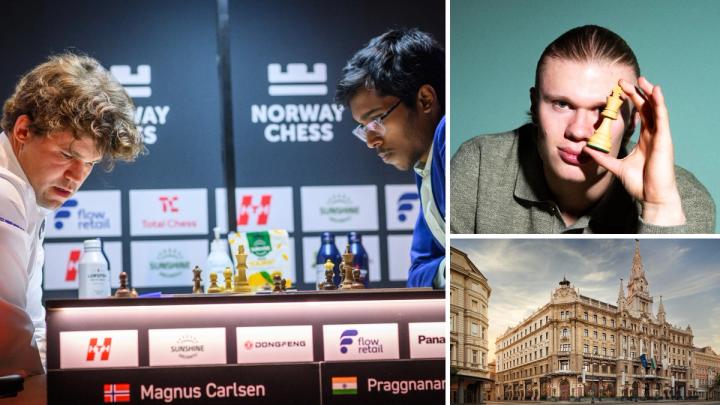
When the world's most lethal striker decides to invest in chess, you pay attention. Erling Haaland, the Manchester City forward who scores goals with the same ruthless efficiency Fischer dismantled opponents, has become a strategic investor in Norway Chess and its ambitious new venture: the Total Chess World Championship Tour. The chess world is buzzing, and for once, the conversation has nothing to do with cheating allegations or FIDE bureaucracy.
What Exactly Is the Total Chess World Championship Tour?
The concept is straightforward enough to explain, and complicated enough to argue about for years. The planned circuit will feature four tournaments per season, blending fast classical, rapid, and blitz formats into a single competitive structure, ultimately crowning one combined world champion. A pilot event is already in the works. Think of it as the Champions League of chess: multiple stages, multiple formats, one throne.
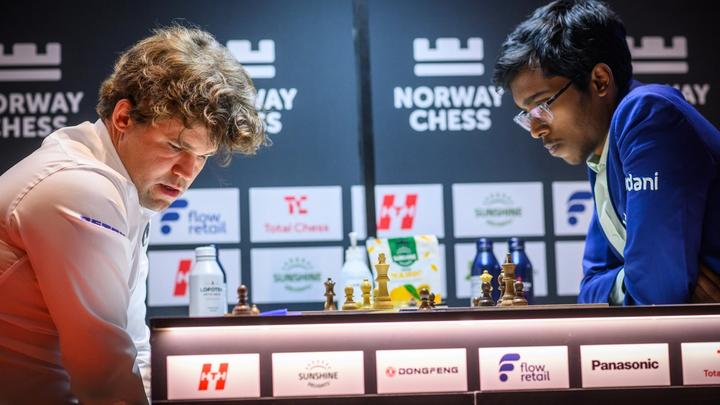
The business logic is not hard to follow. Norway Chess has spent years quietly building one of the most watchable chess events on the planet. Slick production, genuine drama, Armageddon tiebreaks that keep casual fans on the edge of their seats. Now, with Haaland's capital and profile behind it, the ambition is to scale that model globally. Four events a season means four bites at the sponsorship apple, four opportunities to put chess in front of audiences who might otherwise be watching football. Or, well, watching Haaland score hat-tricks.
One Champion to Rule Them All: Genius or Heresy?
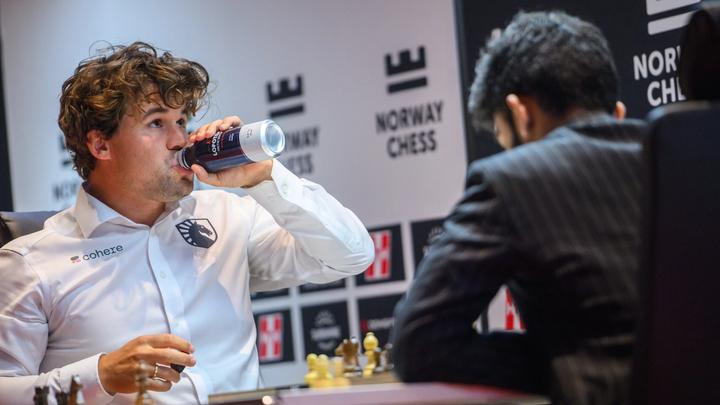
Here is where it gets genuinely interesting, and genuinely contentious. Combining fast classical, rapid, and blitz into a single championship title is either visionary or a category error of historic proportions, depending on who you ask. Purists will point out that Capablanca's classical genius was a fundamentally different animal from the rapid-fire brilliance Kasparov displayed in exhibition matches. The skills overlap, but they are not identical. Magnus Carlsen is the greatest rapid and blitz player alive, but even he has spoken about the distinct demands of classical chess.
On the other hand, ask yourself this: how many casual sports fans can name the difference between a rapid and a classical world champion? The fragmentation of chess titles has always been one of the game's great marketing problems. A single, unified champion, crowned across multiple formats, is a story that sponsors, broadcasters, and new audiences can actually follow. It is the kind of clean narrative that turns a niche passion into a mainstream spectacle. Judit Polgar once argued that chess needed to make itself more accessible without dumbing itself down. A unified tour might just thread that needle.
Can Celebrity Money Save Chess Without Corrupting It?
This is the question that should keep chess administrators up at night, and probably does. The history of sport is littered with examples of outside investment that transformed a game, sometimes for the better, sometimes into something unrecognizable. Formula 1 became a global phenomenon partly because of corporate money and celebrity glamour. It also became enormously expensive and, for a long stretch, almost entirely predictable.
Chess has its own version of this tension. The game's integrity, its soul, if you want to be dramatic about it, lives in the moves on the board. No amount of Haaland's investment changes what happens between Nc3 and Bg5. But investment does shape the ecosystem around those moves: which players get paid, which tournaments survive, which formats get prioritized. If the Total Chess World Championship Tour rewards rapid and blitz performance more heavily than classical depth, the next generation of players will train accordingly. That is not necessarily a disaster. But it is a choice, and it deserves honest debate.
What Haaland's involvement does, more than anything else, is signal legitimacy to a new class of investor. Chess has struggled for decades to convince the financial world that it is a viable spectator sport. One high-profile name writing a cheque changes that conversation faster than a hundred PowerPoint decks. Whether Norway Chess and its new tour can convert that attention into a sustainable model, one that pays grandmasters properly, grows the fanbase, and keeps the competitive integrity intact, is the real match that is just beginning.
The pilot event will tell us a great deal. Watch this space, because for once, chess's off-board drama might actually be as compelling as what happens on it.