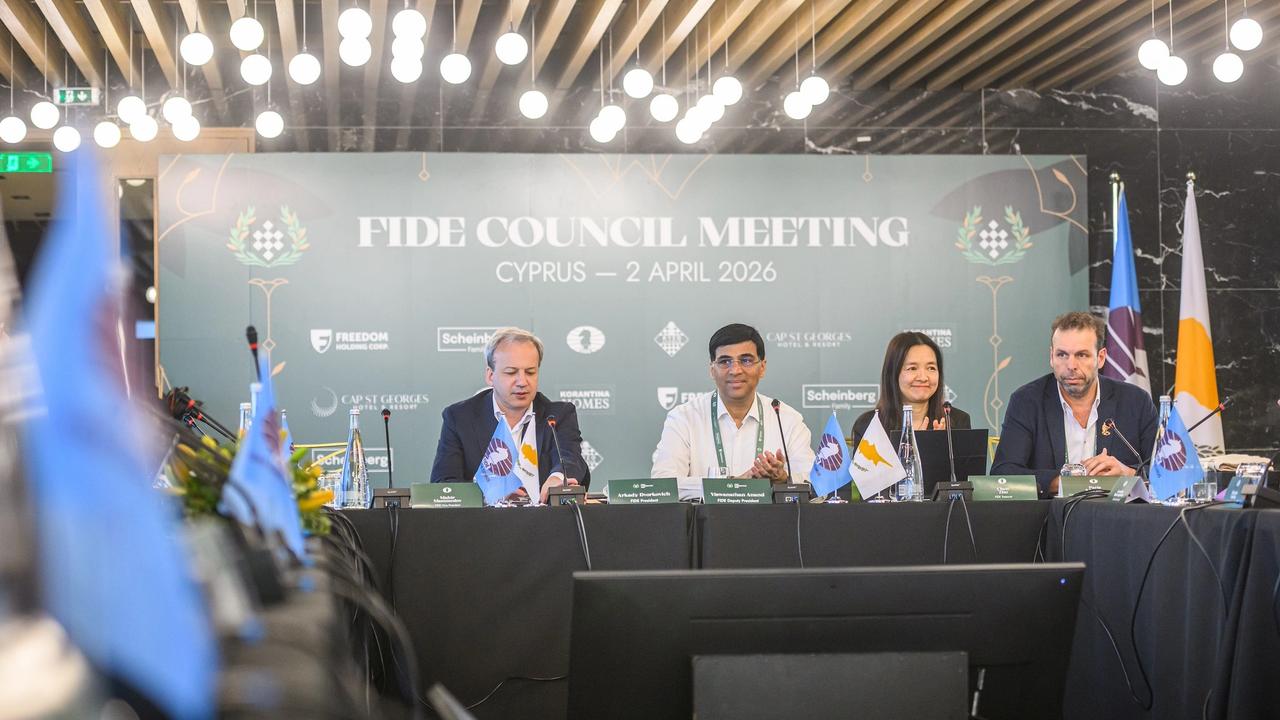
How To Fix FIDE: What Can Be Done To Reform Chess's Governing Body?
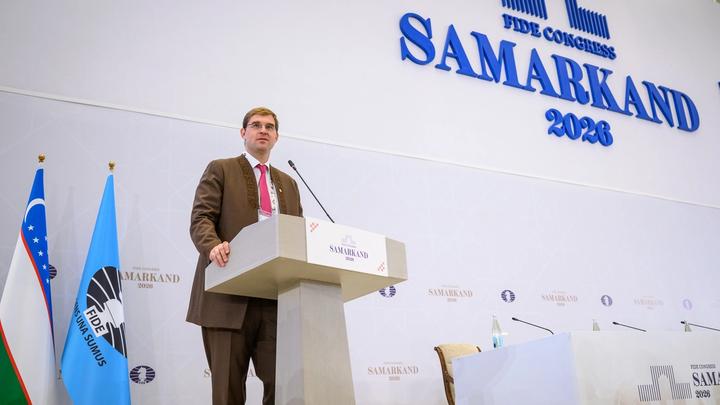
Timur Turlov's bid to succeed the suspended Arkady Dvorkovich has focused attention on the future of FIDE.
FIDE has taken a battering over the years.
Whether it's the epic failure to grow women's chess, the oversized and controversial influence of one country (Russia), the historic missed opportunity to pivot into online chess (despite this site's efforts to persuade them), or just the endless series of scandals that have dogged the organisation for decades and seen two presidents forced to step down because they've become pariahs on the international stage, no one seems happy with FIDE.
From the inexhaustive list we've just given, that seems fair.
But as the beleaguered custodian of the game enters yet another presidential election with questions about its governance at the forefront, this time there appears to be a sliver of hope for the future.
With Arkady Dvorkovich's suspension from exercising his presidential powers and Timur Turlov's emergence as the continuity candidate, while two billionaires battle to be the big challenger, a familiar debate has reignited: should world chess be governed the way it is today?
Here are six ideas regularly discussed by players, administrators and governance experts.
1) Separate the regulator from the promoter
FIDE writes the rules, runs the World Championship cycle, awards titles, distributes development money and negotiates commercial deals.
Those responsibilities often point in different directions. A governing body wants to regulate fairly; a commercial body wants to maximise revenue; an events organiser wants the strongest possible product.
Critics argue that concentrating all three functions inside one organisation inevitably creates conflicts of interest. One alternative would be for FIDE to remain the regulator while independent commercial partners promote elite events under transparent agreements, leaving governance decisions separate from business decisions.
2) Reduce the power of the president
The FIDE presidency has become increasingly central to how the organisation operates.
Presidential candidates campaign across almost 200 federations, build regional alliances and present complete electoral tickets. Once elected, the president has enormous influence over appointments, commissions, development programmes and the political direction of the organisation.
Supporters say strong leadership has professionalised FIDE over the past decade. Critics argue that the office has become too influential and that more authority should rest with the FIDE Council, its committees and the General Assembly.
3) Make the money easier to follow
FIDE is considerably more transparent than it was a decade ago, publishing audited financial statements and minutes from many meetings.
But delegates and players still regularly ask how development funding is prioritised, how host cities are selected and how commercial partnerships are negotiated.
Greater disclosure of contracts, evaluation criteria and board deliberations would make it easier for member federations—and the wider chess community—to understand why key decisions are made.
4) Rethink one federation, one vote
Like FIFA and many Olympic federations, every national federation receives exactly one vote, regardless of the size of its chess population.
India has the same voting power as a federation with only a few hundred active players. That system protects smaller nations from domination by the largest federations, but it also means electoral politics often revolve around courting dozens of very small associations. It has frequently been argued that this system has been abused.
Some have suggested weighted voting based on participation or federation activity. Others argue that equal voting is the only way to preserve FIDE's genuinely global character.
Neither solution is perfect, but the debate is unlikely to disappear.
5) Give elite players a formal voice
World champions, Candidates players and leading grandmasters are the public face of chess.
Yet they have no direct vote in FIDE elections.
Elite players can influence policy through commissions, public campaigning and informal lobbying, but ultimate authority rests with national federations. Also, the players are busy playing.
Some observers argue that players, arbiters, trainers and organisers should each have formal representation within FIDE's governance, creating a system that reflects the broader chess ecosystem rather than national administrators alone.
6) Strengthen independent oversight
Every international federation insists its ethics and disciplinary processes are independent.
The challenge is convincing everyone else.
FIDE's Ethics and Disciplinary Commission and Constitutional Commission already operate separately from the presidential office, but elections repeatedly revive questions about conflicts of interest, political influence and institutional independence.
One possible reform would be external governance reviews after every presidential cycle, alongside stronger disclosure requirements for senior officials and greater transparency around major constitutional decisions.
Could elite chess survive outside FIDE?
Unlike football, where FIFA's authority is rarely challenged, chess already has a powerful commercial ecosystem that exists alongside its governing body.
The biggest force is Chess.com. Following its acquisition of Play Magnus, the company controls many of the sport's largest online tournaments, owns the Champions Chess Tour, reaches tens of millions of players and has commercial resources that rival—or exceed—those available to FIDE.
That has prompted an intriguing question: if relations between elite players, commercial organisers and FIDE deteriorated, could professional chess eventually split into separate regulatory and commercial worlds?
A full breakaway would be extraordinarily difficult. FIDE still controls the World Championship, the title system, official ratings and recognition by national federations. Those remain enormously valuable assets.
But unlike many Olympic sports, chess has an unusually powerful private sector. If any organisation had the reach, audience and financial backing to build a rival elite circuit, Chess.com would be the obvious candidate.
For now, there is little evidence that either side wants such a confrontation, although relations are known to have been strained from time-to-time. FIDE and Chess.com continue to cooperate on a number of projects, even as they compete for influence over the future direction of elite chess.
The possibility nevertheless acts as an important check on FIDE's authority. As commercial investment in chess continues to grow, the federation cannot assume that the world's best players and biggest audiences will always have nowhere else to go.
So there we have it—six areas of debate, and one nuclear option: the breakaway. None of these proposals would eliminate politics from chess. Nor should they. FIDE is a democratic federation representing almost every country in the world, and disagreement is inevitable.
But as the organisation prepares to choose its next leadership, the election is also an opportunity to ask a broader question: should the next four years simply continue the existing model, or should they become a chance to rethink how world chess is governed?