Judit Polgar, The Leading Light Of Women's Chess, Nominated for Hungarian Presidency
Few figures have illuminated the world of chess like Judit Polgar. Now, Polgar's remarkable journey may be taking an unexpected turn, with a nomination to become Hungary's next president.
For more than three decades, chess legend GM Judit Polgar has been one of the brightest standard-bearers the game has known.
She shattered barriers that many believed were unbreakable, became the strongest female player in history, and inspired generations by proving that excellence at the board knows no gender.
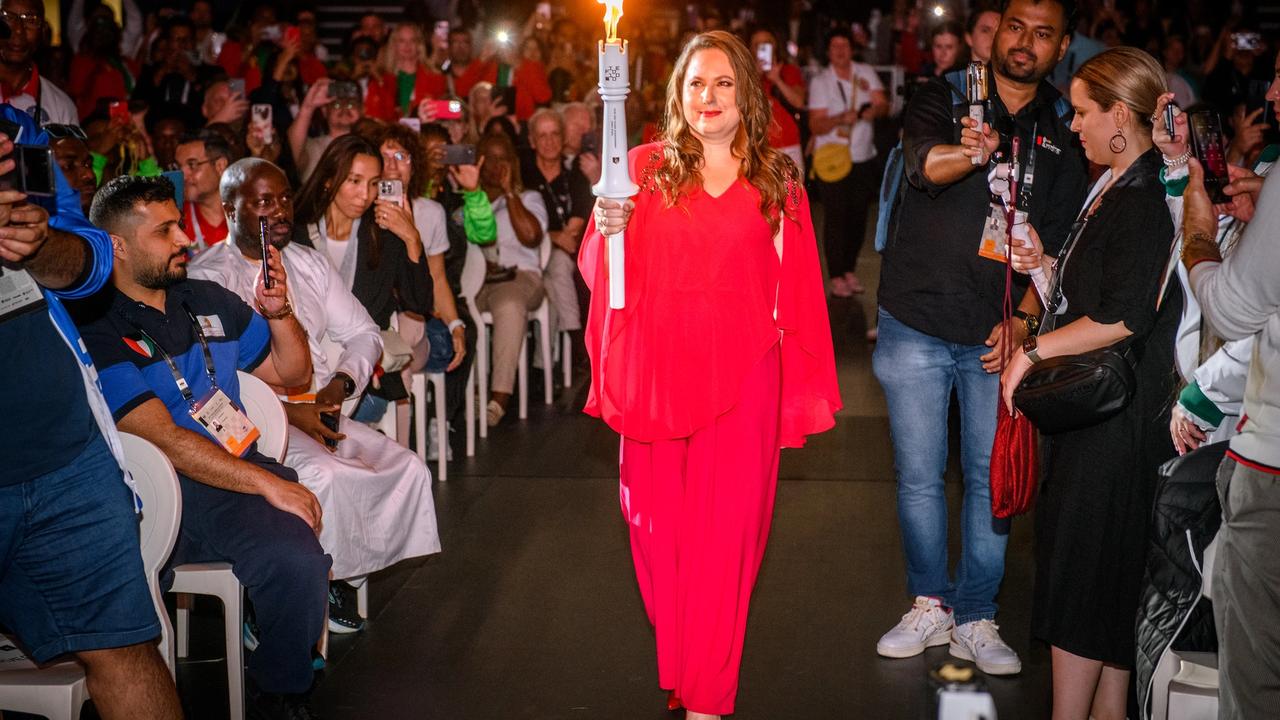
At the 2024 Chess Olympiad in Budapest, fittingly held in her homeland, Polgar literally carried the flame—walking into the opening ceremony with the Olympiad torch in one of the defining images of the event.
Now, the woman who has long been one of Hungary's greatest sporting ambassadors, and whose life story was immortalised into a Netflix documentary released this year, could be preparing for an even bigger stage, after being nominated to serve as the country's next president.
It comes after Hungary's new Prime Minister Peter Magyar—who was pictured playing Polgar last month—announced he will ask her to take the head of state role on an interim basis on Monday.
A hazánknak egységre, békére és olyan elnökre van szüksége, akire minden magyar büszke lehet. A köztársasági elnökség nem egy foglalkozás, nem egy munkahely, hanem a legmagasabb szolgálat. Az elnök feladata: szolgálni és képviselni. Minden magyart.
— Magyar Péter (Ne féljetek) (@magyarpeterMP) July 19, 2026
A magyar közélet elismert…
If accepted and approved by parliament, Polgar would become Hungary's ceremonial president, a role intended to represent national unity. It would also mark an extraordinary transition from sporting icon to head of state.
Polgar has spent decades breaking barriers. She remains the only woman to have crossed the 2700 Elo rating mark and the only woman to have reached the world's top 10 in the open rankings.
During her career, she defeated 11 current or former world champions, including GMs Garry Kasparov, Magnus Carlsen, Viswanathan Anand and Vladimir Kramnik.
❗️Hungary's PM Péter Magyar will meet the Queen of Chess Judit Polgár on Monday and ask whether she is willing to serve Hungary as President until a new Constitution is adopted.
— Viktória Serdült (@viktoriaserdult) July 19, 2026
Magyar wrote that "Hungary needs unity, peace, and a president whom every Hungarian can be proud of". pic.twitter.com/mE18k03sUt
Although she retired from competitive chess in 2014, Polgar has remained one of the game's most influential ambassadors.
In 2024, she served as the public face of the 45th FIDE Chess Olympiad in Budapest, playing a central role in promoting the event. The Olympiad was a €16.6 million production laid on largely by the Hungarian government, then led by Viktor Orban.
Chess Politics And Hungary
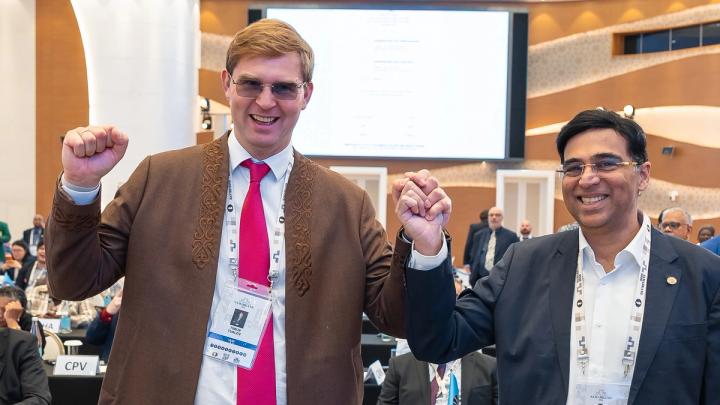
Hungary has taken a surprisingly central role in chess politics in recent years. FIDE President Arkady Dvorkovich—a former deputy prime minister of Russia who has led world chess since 2018—spent weeks in Budapest in 2024 and was publicly thanked by Orban.
In early 2026, it was reported that Dvorkovich's name appeared in the draft of the EU's 20th sanctions package. Hungary—which had its own, much larger reasons for opposing the package—blocked the whole thing.
When Magyar was elected earlier this year, ousting Orban, the chess world had held its breath over the result. Could this have implications for Dvorkovich?
For Polgar, however, the nomination would represent her first formal step into politics. Throughout her career, she has largely remained outside partisan political life, instead focusing on chess education, youth development and her educational initiatives through the Judit Polgar Chess Foundation.
Her public profile has centred on promoting critical thinking, equal opportunities and the educational benefits of chess rather than engaging in party politics.
Magyar described Polgar as a symbol of talent, perseverance and national unity, saying he would meet her to discuss whether she is prepared to accept the nomination. The proposal comes amid constitutional changes in Hungary following Magyar's election victory earlier this year. Parliament is expected to elect the country's next president.
Should Polgar accept the role, she would add another remarkable chapter to one of chess's most extraordinary careers—this time not on the board, but on Hungary's national stage.