Could Someone Please Get the Electorate a Visa
Chess is electing a president this month. Step one, it turns out, is letting the voters into the country.
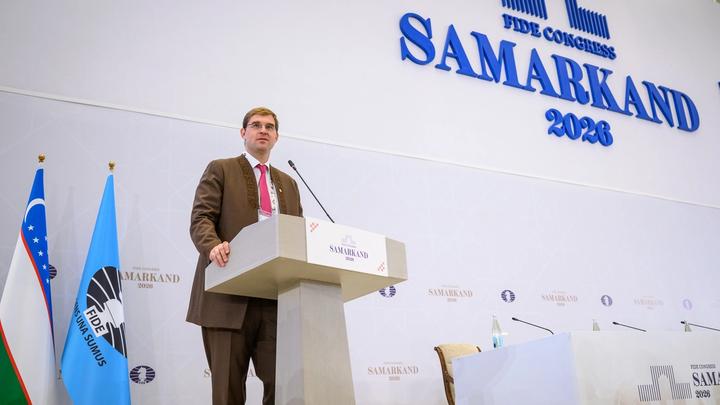
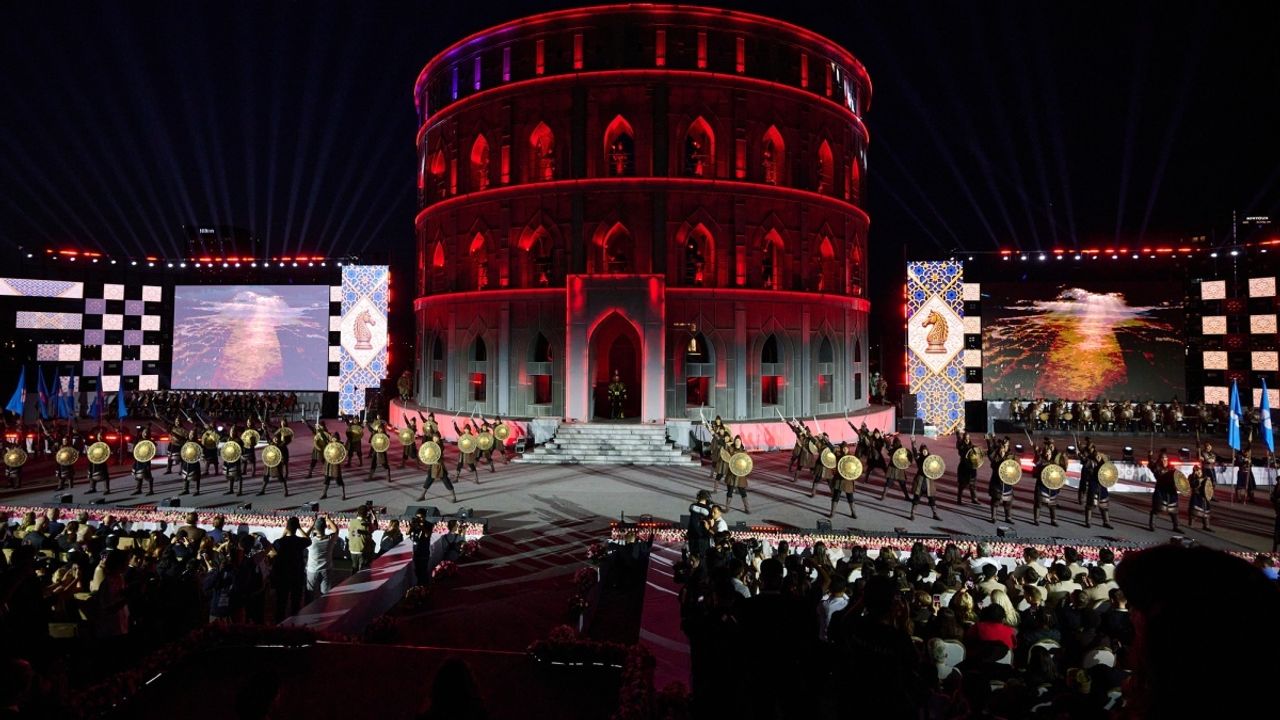
Here is how you elect the president of FIDE. You gather the delegates of nearly 200 national federations in one city, you give them each a ballot, and you count. Simple. The city this year is Samarkand, Uzbekistan, where the Chess Olympiad opened on Tuesday.
There is one small issue. A number of the delegates are not in Samarkand. They are at home, mostly in Africa, waiting for a visa from a government that has so far declined to give them one. Among the people stuck outside is a member of FIDE's own governing Council. It is as if the Electoral College were being held in a nightclub and the bouncer had opinions.
Nobody disputes the facts. But the chess world is the kind of place where every candidate has at some point sponsored, sued, or sat on a committee with every other candidate, and in such a family nothing is ever just a visa. Statements have followed, and every candidate has read the visa list the way you read a group photo: looking for himself first.
Malcolm Pein, who is running for Deputy President, saw a plot. His ticket's nominee for Treasurer is from Eswatini. Thirteen Eswatini players and officials applied for visas. Twelve got them. The one who didn't is the one on the ballot. Pein called this "dirty tricks". But put yourself in his shoes. If twelve of your colleagues walked through the metal detector and you alone got pulled aside, you would not assume it was random either.
Timur Turlov, who is running for President, saw a problem to be solved, and he reached for the tool he knows best, which is to pay for a solution. Turlov is a billionaire, and he offered to personally guarantee, "with my personal reputation and my own funds," the good conduct of every delegate for the length of the Congress, if that would persuade Uzbekistan to let them in. Whether the Uzbek border service accepts character references from brokerage CEOs is an open question. But give the man credit: he is the only candidate so far who has proposed actually opening the door, rather than just describing it.
The FIDE Council, which runs the federation between elections, saw a dealbreaker. Its statement is polite for two paragraphs and then stops being polite. The Congress, it says, can only be held under conditions in which everyone entitled to vote can vote. If Uzbekistan cannot guarantee that, the Council will move the Congress, dates and city, somewhere that can. Translated from the diplomatic: fix the visas, or we take the election and leave.
And then there is Wadim Rosenstein. Rosenstein is also running for President, and he looked at the locked door and saw a lovely door.
His statement is 600 words long and titled, in capitals, "FIDE MUST NOT DISRUPT THE ELECTION PROCESS." It is kind of a love letter to Uzbekistan. He has organised events there for years, he writes, and never once experienced a problem. The Uzbek people are warm. Tashkent is professional. Samarkand is hospitable. Whatever is going wrong, it is FIDE's fault, and the solution is certainly not to move the vote. "The solution is not to move the problem from Samarkand," he writes. "The solution is to fix the problem within FIDE." He closes with four commandments, one per line: Do not blame Uzbekistan. Do not manipulate the process. Do not disrupt the election. Let the federations decide.
He also, in the same document, demands "equal access" and "equal treatment of every federation."
Read those two things together. Equal access for every federation. And the vote must stay in the one country some of the federations cannot enter.
You cannot have both. A delegate who cannot get into Uzbekistan does not have equal access to a vote held in Uzbekistan, any more than a man locked out of his apartment has equal access to his couch. Rosenstein is demanding a full and fair election in a room he knows to be missing some of the electorate, and he is thanking the government doing the locking.
Why would a candidate want this? He may believe the missing delegates are not his voters. He may believe that a delayed, relocated Congress helps the incumbent. He may have another reason. He has not shared it. What he has shared is a statement demanding that FIDE not disrupt the election, aimed at the one body in this whole affair that has said it will not hold the election until everyone can vote.
Let’s get everyone in the room, please.