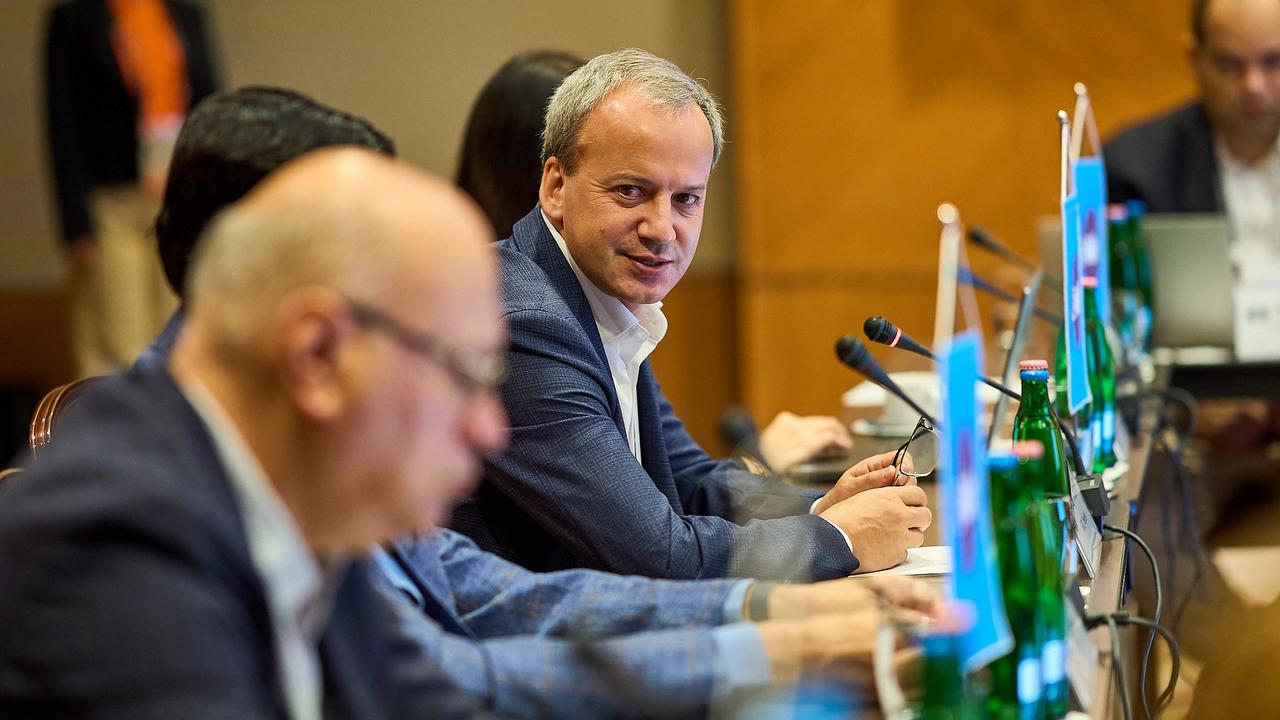
FIDE Signals It Will Defend Russia Decision—But What's Really Behind This?
Russian teams playing in international chess tournaments isn't the only issue at stake in the sport's looming legal battle.
FIDE, the world governing body of chess, is in seriously hot water. There's no escaping it.
Confirmation came last week that five influential member federations are taking the game's overarching umbrella federation to the highest court in sport. The group have clubbed together to claim last month's controversial decision to lift restrictions on Russia and Belarus was illegal.
But it gets worse for FIDE. World Chess understands more federations are considering joining the Court of Arbitration for Sport (CAS) action brought by Ukraine, England, Norway, Estonia, and Germany. The challenge to FIDE's authority is clear.
Now under-fire federation, which represents 200 member organisations worldwide, has responded. FIDE has signalled it will defend itself from this growing rebellion within its ranks.
So, a costly and damaging and most probably long-running legal battle it is. The administrators of the game are in civil war.
This can't be a good look for an organisation that acts as the guardian of the game and has "Gens una Sumus" (Latin for “We are one Family”) as its motto.
But how much the true power-brokers inside FIDE actually care, is not known. It is likely they are hell-bent on rubber-stamping the Russia decision regardless.
The immediate issue is that without acceptance of FIDE's General Assembly motion allowing the banned federations back into competition then tournaments will inevitably be disrupted.
An agreement needs to be struck. However, with FIDE standing firm and apparent bitterness on both sides, the indications are it will take a CAS ruling to get there. This could be a long way off.
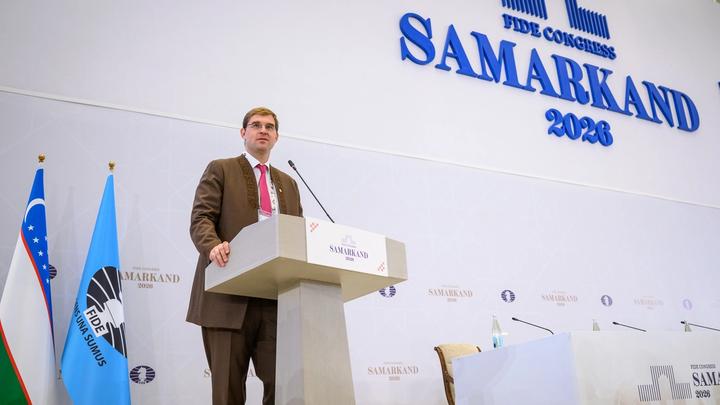
In the meantime, all eyes will be on events like the 2026 FIDE Olympiad in Uzbekistan where this dispute could potentially boil over.
In the background, there remains the deeper question of FIDE's governance of the game and who it really serves. What Ukraine, England, Norway, Estonia, and Germany really want is a different leadership structure to FIDE where decisions like this can't be forced through.
In a statement issued following submission of the legal challenge, the world chess governing body confirmed it has received a copy of the complaint. It signalled confidence in both its legal position and its decision-making process.
“FIDE has received a copy of the complaint filed by five federations (Ukraine, England, Norway, Estonia, and Germany) to the Court of Arbitration for Sport (CAS),” a spokesperson said.
“The appeal concerns the recent decisions of the FIDE General Assembly in relation to restrictions on Russia and Belarus.
“FIDE will review the complaint and submit a timely official response to CAS. We remain confident in our legal position and the integrity of the General Assembly’s procedures.”
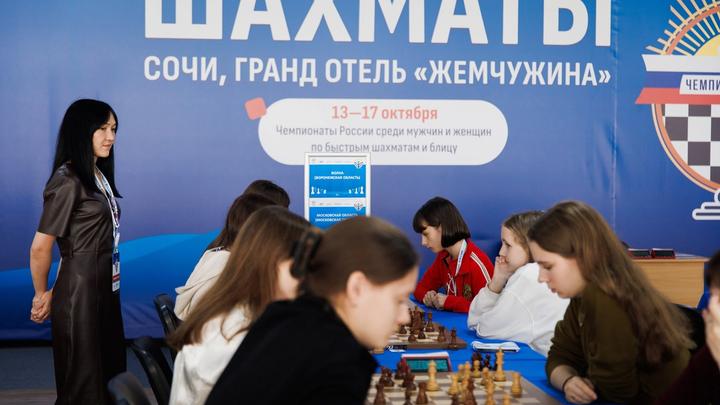
Russian and Belarusian teams were suspended from FIDE-organised team competitions in 2022 following Russia’s full-scale invasion of Ukraine. Individual players from both countries have continued to compete under a neutral flag, but team participation has remained prohibited under the sanctions regime.
In 2024, the FIDE General Assembly approved decisions that would allow for a gradual pathway towards the return of Russian and Belarusian teams, beginning with youth competitions and potentially extending to senior team events in future cycles. Those moves were met with strong opposition from a number of federations, particularly in Europe.
Critics have also renewed the long-standing accusation that FIDE is disproportionately influenced by Russian interests.
Russia has long held significant political weight within the organisation, and current FIDE President Arkady Dvorkovich is a former Russian deputy prime minister.
While FIDE has consistently rejected claims of political bias, opponents argue that the General Assembly votes reflect Russia's influence and will not the consensus in the wider sporting community or the official stance of the International Olympic Committee (IOC). FIDE is affiliated to the IOC and legally bound to follow its decisions.
The appeal to CAS now shifts the dispute from internal governance to the sporting legal arena, with potential consequences for international team events scheduled for 2026 and beyond. Its decision could be far-reaching, beyond chess.
CAS has yet to announce a timetable for considering the case. Any ruling could have far-reaching implications for FIDE’s sanctions policy and the future participation of Russian and Belarusian teams in international chess.
Until then, chess is in a bit of a mess. It needs a resolution.