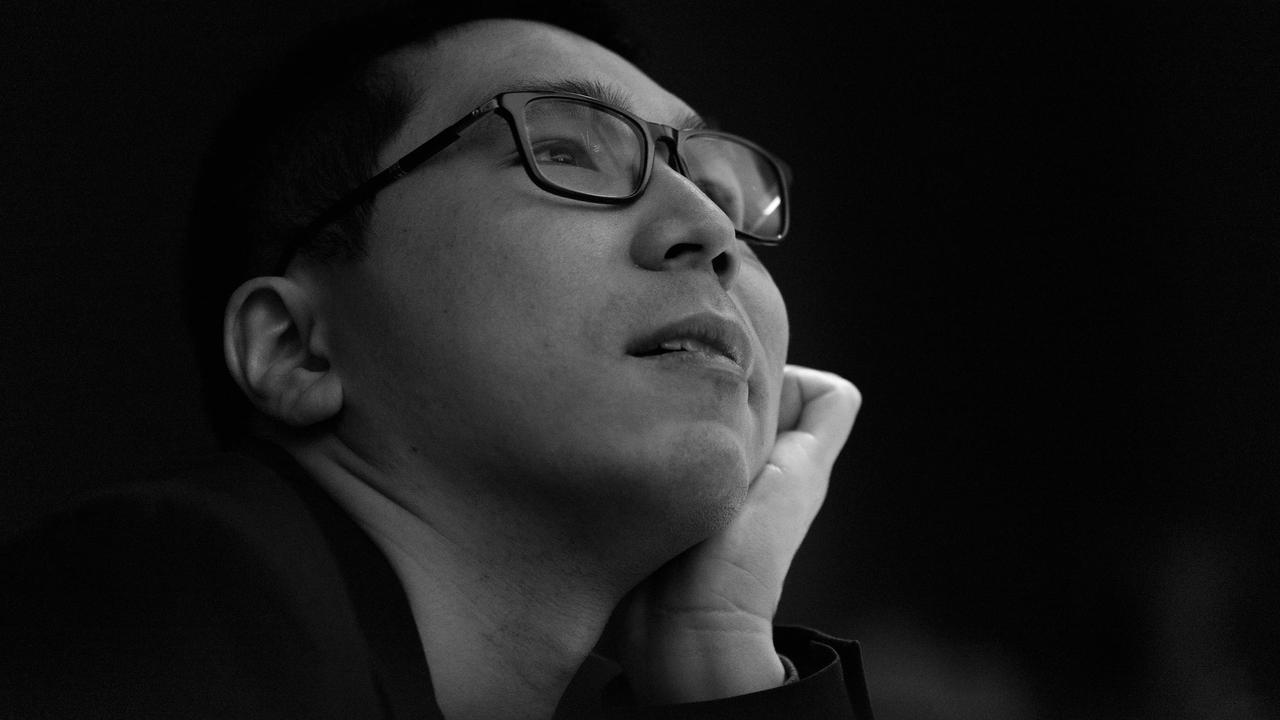
Total Chess Promised A Revolution. But Are The Players Pushing Back?
Wesley So has launched a scathing attack on the new tournament's format, while Magnus Carlsen's disastrous performance has raised uncomfortable questions about all sorts of things. Thankfully, this is only a pilot.
Over the rest day, we've been mulling this over. We can't be the only ones.
Total Chess arrived in Budapest promising a revolution. Six days later, GM Wesley So is wondering whether its organisers are trying to kill the players.
The newly re-crowned American champ has launched an extraordinary public attack on the inaugural tournament's format, questioning whether its new Fast Classic time control deserves to bear the name of the hallowed discipline of classical chess, and comparing the punishing knockout schedule to come this week to a military endurance test.
And So has gone further, saying he would never have entered had he known what awaited him. Wowzers.
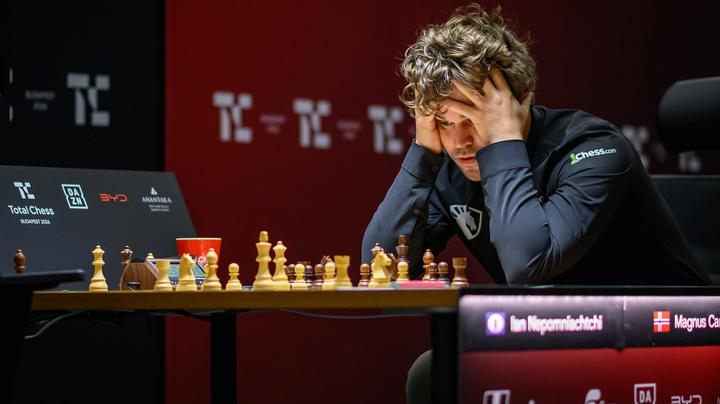
Meanwhile, GM Magnus Carlsen, the competition's biggest attraction and one of its most enthusiastic supporters, has endured a disastrous opening week. We've seen him fail to win a single Fast Classic game and losing more than 20 live rating points. Again, wowzers.
The world number-one is already out of contention for the main title, while an event designed to find the best all-round chess player has ruled out 20 of its 24 competitors before the rapid and blitz knockout stages have even begun.
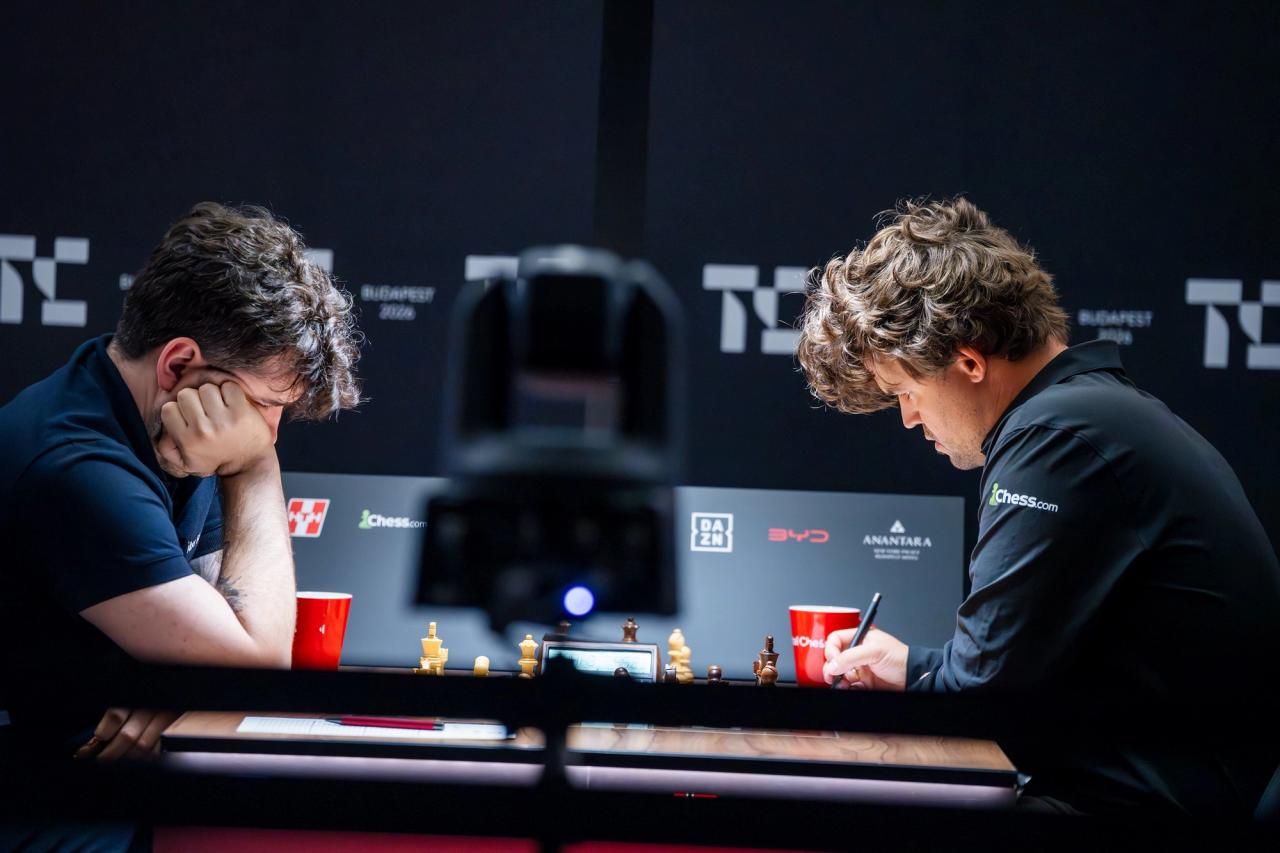
Something niggling away at us makes us think this event hasn't entirely gone to plan.
With the group stage completed and Monday designated a rest day, the ambitious FIDE-approved competition is facing a barrage of criticism. Ok, maybe not a barrage, but just wait 'till you hear what mild-mannered Wesley So had to say.
Wesley So is not impressed
So is not one to boil over. He is as polite as you can get. But not this time. So's frustration first became apparent during the Fast Classic group stage, when he admitted in a post-game interview that he had discovered his worst chess format.
But he went considerably further on social media.
To call 45+30 games 'classical' without even adding additional time on move 40 is utterly ridiculous. All I see when watching the games here are time trouble, time trouble, plus more time trouble. Honestly, it feels more like blitz game than classical chess. Classical chess should give players enough time to demonstrate their calculation and positional understanding, not constantly force the issue into time scrambles. On the bright side though my boy Fabiansky @FabianoCaruana looks like he's going to become World #1 soon. Advanced Congrats!👏📷I've always believed in him!
— Wesley So (@WesleySo_) November 14, 2026
The American described the decision to classify games played at 45 minutes plus a 30-second increment as classical chess as "utterly ridiculous".
His argument was simple: players are spending too much time battling the clock and too little demonstrating the calculation and positional understanding expected of classical chess.
Then came the knockout schedule: seven games a day, across three different time controls, for four consecutive days.
"At some point, you have to wonder whether this is a chess tournament or a military endurance test," So wrote.
He also said he would never have entered had he known what was coming.
Of course, So has had a difficult tournament. But that doesn't necessarily make his complaints unreasonable.
His compatriot Caruana, who nearly knocked Carlsen off the ratings top spot, has also spoken out about the demands of the competition. Caruana highlighted the physical and mental toll the new format is taking on players.
"I think playing two games a day and also having to prepare for two different colours, this is really tough," he explained.
"The second game especially, I think we see players are getting tired and making a lot of mistakes.
"And also because the time control is very unforgiving. So if you're tired, then it can be especially tough."
Carlsen pays the price
The problem with Fast Classic is that, despite being considerably quicker than conventional classical chess, its results count towards players' official FIDE classical ratings.
And nobody has paid a higher price than Carlsen.
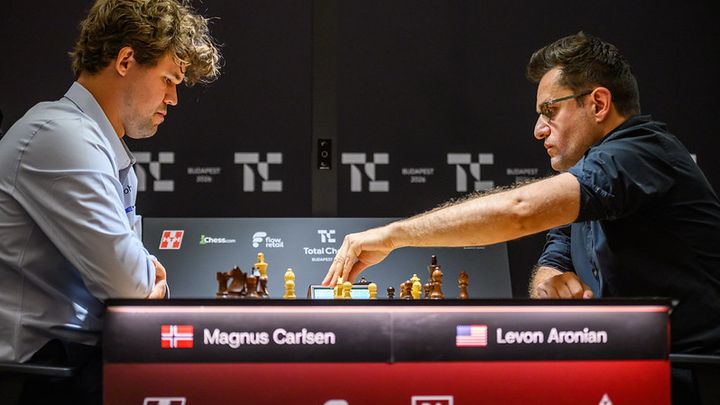
After winning the opening blitz competition unbeaten, the Norwegian drew nine of his ten group games and lost the other to the rank outsider GM Haik Martirosyan.
The result? More than 20 live rating points gone, with GM Fabiano Caruana suddenly threatening Carlsen's extraordinary reign at the top of the world rankings.
Admittedly, this drama has been compelling. Carlsen has been the official world number-one continuously since July 2011. It would be quite something if a tournament designed to revolutionise chess ended that run.
There is an obvious irony here. Carlsen walked away from the classical World Championship partly because he had tired of its demands. Now an experimental alternative has put his classical rating under threat.
But should a 45-minute game really carry the same rating consequences as a traditional classical encounter?
A complicated revolution
Then there is the format itself.
Total Chess promises to identify the world's best all-round player across classical, rapid and blitz chess.
Yet 20 of its 24 competitors have already been eliminated from title contention after a Fast Classic group stage, before the knockout phase's rapid games have even begun.
Those players will continue competing for finishing positions and prize money, but none can win the championship.
The remaining four—GMs Alireza Firouzja, Caruana, Anish Giri and Maxime Vachier-Lagrave—now face knockout matches combining Fast Classic, rapid and blitz, with different points awarded for each discipline.
It is ambitious. It is innovative. It is also fiendishly complicated.
Our friends over at ChessBase summed up the challenge neatly before the tournament began with a headline: "Total Chess – totally complicated".
But is it actually failing?
We don't actually think so.
The organisers have always described Budapest as a pilot, and experimentation is precisely the point.
There have been excellent games, major upsets and unexpected storylines. The three-points-for-a-win system rewards ambition, while the mixed-format knockouts promise plenty of drama.
Nor should So's objections be mistaken for a rebellion involving the entire field. He is the most outspoken critic, but others have adapted successfully.
And chess has been here before.
FIDE's knockout World Championships of the late 1990s and early 2000s were supposed to make the title more exciting and accessible. They certainly produced surprises, but also questions about whether the format identified the strongest player.
Total Chess faces a similar challenge.
The organisers deserve credit for trying something different, especially at a time when chess is competing for attention with esports and other entertainment.
But a successful revolution needs more than an exciting format and a substantial prize fund. It needs the confidence of the players and rules spectators can understand.
Budapest may yet deliver a thrilling finish. And if the organisers take the criticism seriously, the pilot could prove invaluable.
But on the evidence of its first week, the jury is very much out.